Vasarely 120: A Comprehensive Retrospective of the Father of Op Art
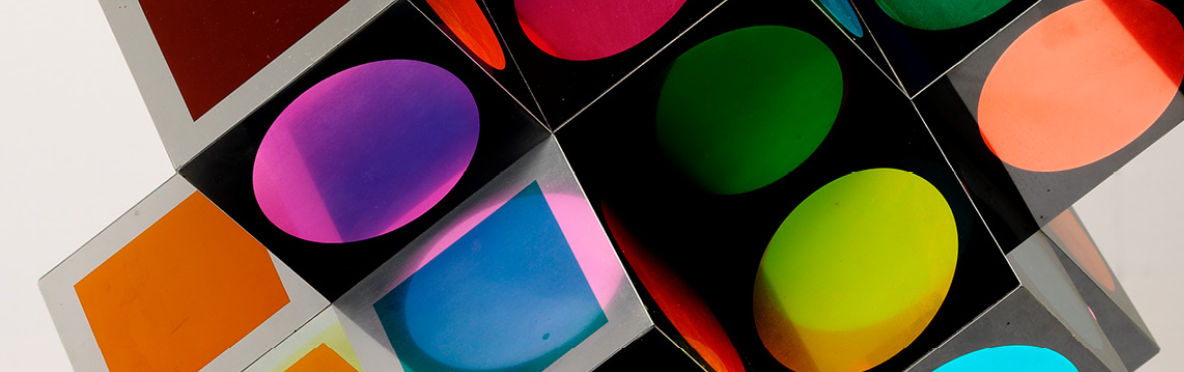
The Museum of Fine Arts in Budapest is hosting a major retrospective exhibition titled Vasarely 120 to celebrate the 120th anniversary of the birth of Victor Vasarely. Recognized globally as one of the most defining figures of kinetic art and geometric abstraction, the Hungarian-born artist who found fame in Paris is honored with an unprecedentedly comprehensive showcase. The exhibition brings together more than 140 works—including well-known masterpieces as well as rarely seen creations—with the domestic collection enriched by loans from the Fondation Vasarely in Aix-en-Provence.
Curated by art historians Veronika Pócs and Mónika Zombori, the exhibition traces Vasarely’s vast career path. It highlights his early days studying the Bauhaus movement in Budapest, his transition to designing commercial advertising posters in Paris during the 1930s, and his ultimate role in fueling a post-WWII visual revolution. Vasarely’s unique philosophy treated art not as an elite commodity, but as a systematic visual language designed to be accessible to everyone, seamlessly integrating into architecture, public design, and everyday urban environments through shifting grids and optical illusions.
Exhibition Details and Planning
- Location: Museum of Fine Arts (Szépművészeti Múzeum), Heroes’ Square, Budapest
- Timeframe: 15 May – 16 August 2026
- Price: Not specified in the primary exhibition overview
To explore more details about this landmark venue, including its historic architecture on Heroes’ Square and its overarching international collections, you can access more information about the Museum of Fine Arts online. If you are eager to see how this exhibition ties into the broader citywide celebration or want to find more cultural festivals and seasonal events happening around town, head over to see more information about what’s going on in Budapest.
Victor Vasarely (1906–1997) életmű-kiállítása a Szépművészeti Múzeumban! provides a brief visual glimpse into the grand scale and shifting optical patterns of the master’s geometric works on display within the museum gallery.
Date
- May 15 2026 - Aug 16 2026
- Ongoing...
Time
- All Day
Location
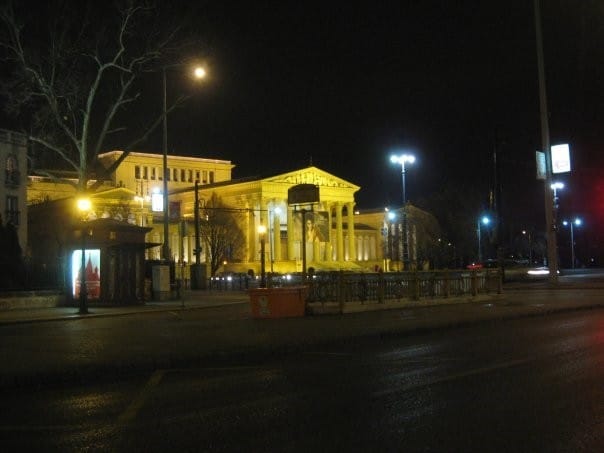
- Museum of Fine Arts, Budapest