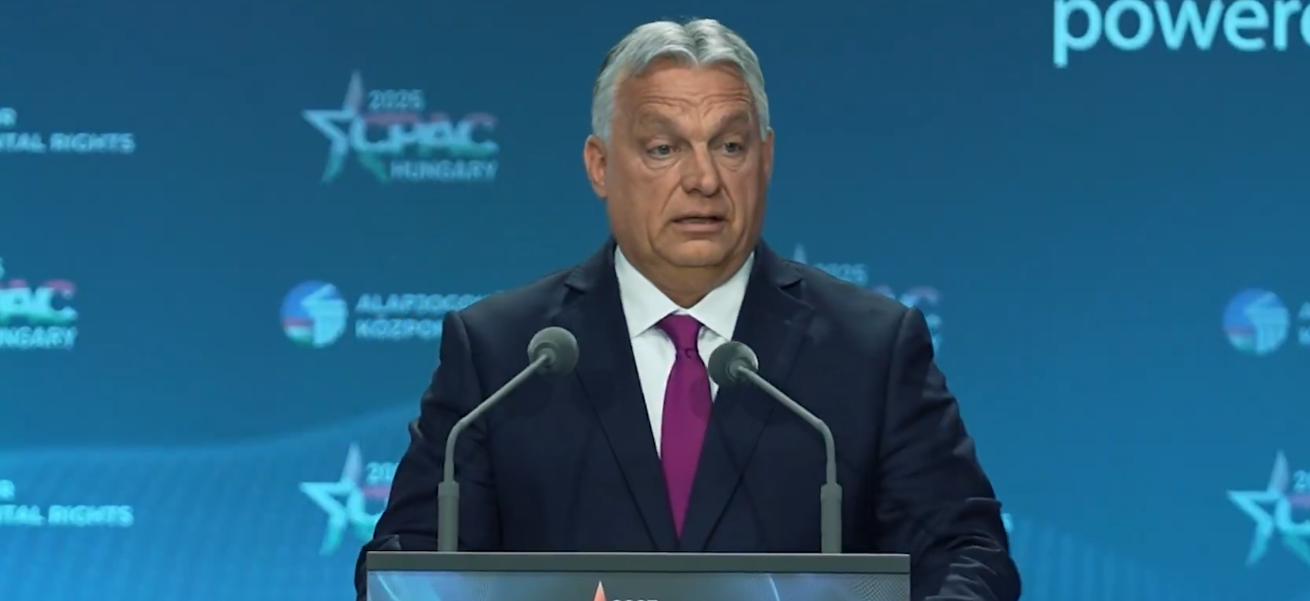
When planning a trip to Budapest or anywhere in Hungary, many curious tourists come across headlines about the country’s Prime Minister, Viktor Orbán. Some paint him as a defender of national interests, others describe him as a strongman dismantling democratic norms. So what’s really going on — and does it matter for your visit?
Let’s explore the topic with a balanced lens.
Who is Viktor Orbán?
Viktor Orbán has served as Hungary’s Prime Minister since 2010 (and earlier from 1998–2002), and he’s one of Europe’s longest-serving elected leaders. He is the head of the Fidesz party and is known for his nationalist, conservative policies. His government promotes “illiberal democracy” — a term Orbán himself has used — focusing on Hungarian sovereignty, Christian values, and strict immigration control.
Why is He So Controversial?
The international media often criticizes Orbán for:
- Centralizing power: Critics argue that Orbán has weakened the independence of the judiciary and other checks and balances.
- Controlling the media: State-owned media largely support the government, and many independent outlets have either shut down or been bought by allies of the ruling party.
- Anti-LGBTQ+ and migration stances: His policies have sparked protests and concern from EU institutions.
- Tensions with the EU: Orbán’s government often clashes with Brussels on issues like rule of law, media freedom, and minority rights.
Supporters, on the other hand, argue that:
- Orbán defends Hungary’s national identity and values at a time when many feel Western Europe is too liberal or globalist.
- His economic policies have improved infrastructure and reduced unemployment (although critics point out these benefits haven’t been equally distributed).
- He resists outside pressure from Brussels or Washington, which some Hungarians see as foreign interference.
What About the Media in Hungary?
Hungary’s media landscape has changed drastically in the last decade. Most major television channels, radio stations, and newspapers are now either state-run or owned by government-friendly businesses. While there are independent outlets, they face financial and political pressure, making it harder for dissenting voices to reach the general population.
This means that many Hungarians get a very different picture of world events than people elsewhere in Europe.
Should You Worry as a Tourist?
In short: no. Despite the political climate, Hungary — and Budapest especially — remains a safe and welcoming destination for tourists. Politics rarely affect visitors. You’ll find warm hospitality, a vibrant culture, fantastic architecture, thermal baths, and delicious food. People in Hungary may have strong political opinions, but they’re just as likely to want to share a bowl of gulyás and a glass of pálinka as they are to debate government policy.
A Final Thought
Understanding a country’s politics adds context to your travels — but it doesn’t have to define them. Viktor Orbán is a divisive figure at home and abroad, and while some criticisms are valid, the full picture is complex.
Hungary is more than its politics. So come, enjoy Budapest, keep your eyes open — and if you want to understand more, talk to locals, read from different sources, and form your own opinion.
For more insights and travel tips, visit our Budapest Guide.


