The “Dancing Minister” & The Danube: Why Budapest is Suddenly the World’s Hottest Vibe Check

In the wake of the April 2026 elections, Budapest is experiencing more than just a political transition—it’s having a full-blown “main character” moment. The landslide victory of Péter Magyar and the Tisza Party has ignited a global obsession with the “Pearl of the Danube,” turning political rallies into travel ads that are currently breaking the internet.

The Iconography of Change

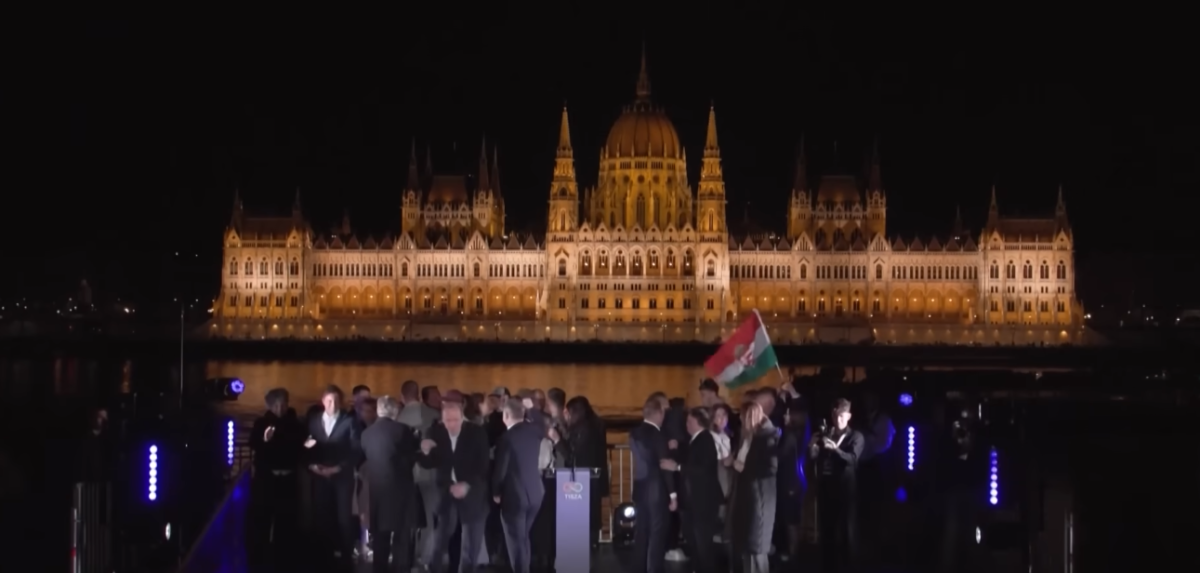
The defining image of the campaign wasn’t a stiff press conference. It was Péter Magyar standing before a sea of supporters with the neo-Gothic Hungarian Parliament glowing like a golden palace behind him. This visual—mixing historic grandeur with modern democratic energy—has done more for Budapest’s “cool factor” than a decade of tourism board spending.

“The surge in interest isn’t just about politics; it’s about the ‘vibe’ shift. Travelers want to be where history is being made, especially when it looks this good on camera.”

The “Dancing Minister” Phenomenon

If you’ve been on TikTok this week, you’ve seen him. Zsolt Hegedűs, the likely candidate for Health Minister, became an overnight sensation for his uninhibited, celebratory dance moves on the victory stage. Dubbed the “Dancing Machine Politician” by international media, his joy has humanized the new administration and painted a picture of a welcoming, vibrant, and optimistic Hungary.

For younger travelers, this “viral joy” is an invitation. Budapest is no longer seen through a lens of “stuffy politics,” but as a city that is safe, progressive, and alive with celebration.

Economic Optimism and “Democratic Tourism”

Beyond the viral clips, there is a tangible “Magyar Effect” on the economy. With a pro-EU government in the wings, the Forint is stabilizing and investor confidence is peaking. This is giving rise to “Democratic Tourism”—a trend where international visitors choose a destination specifically to support its new, hopeful direction.

Hotels in the capital report a significant uptick in bookings from Western Europe and North America, with many visitors citing the “joyful energy” of the recent news coverage as the primary reason they finally clicked “book.”

A New Chapter for the Danube

As the “New Hungary” takes its first steps, the tourism sector is the first to reap the rewards of this global rebranding. With its combination of historic grandeur and newfound cultural momentum, Budapest is the pulse of a changing Europe. 2026 isn’t just the year of the election; it’s the year the world fell back in love with Hungary.
Is Viktor Orbán as Bad as International Media Says? Understanding Hungary’s Political Landscape as a Visitor

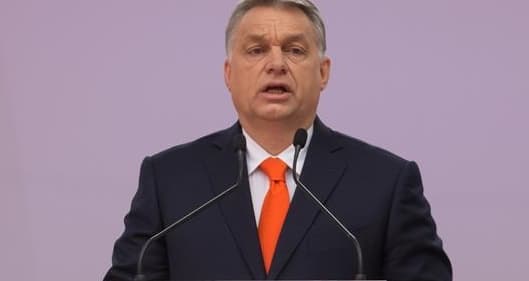
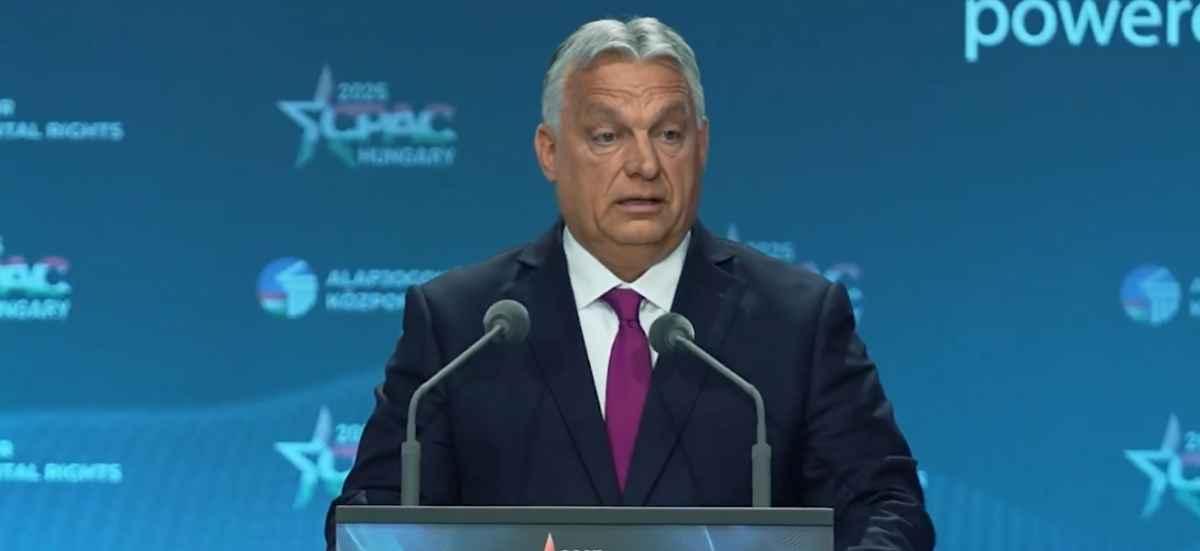
When planning a trip to Budapest or anywhere in Hungary, many curious tourists come across headlines about the country’s Prime Minister, Viktor Orbán. Some paint him as a defender of national interests, others describe him as a strongman dismantling democratic norms. So what’s really going on — and does it matter for your visit?

Let’s explore the topic with a balanced lens.


Who is Viktor Orbán?

Viktor Orbán has served as Hungary’s Prime Minister since 2010 (and earlier from 1998–2002), and he’s one of Europe’s longest-serving elected leaders. He is the head of the Fidesz party and is known for his nationalist, conservative policies. His government promotes “illiberal democracy” — a term Orbán himself has used — focusing on Hungarian sovereignty, Christian values, and strict immigration control.


Why is He So Controversial?

The international media often criticizes Orbán for:

  • Centralizing power: Critics argue that Orbán has weakened the independence of the judiciary and other checks and balances.
  • Controlling the media: State-owned media largely support the government, and many independent outlets have either shut down or been bought by allies of the ruling party.
  • Anti-LGBTQ+ and migration stances: His policies have sparked protests and concern from EU institutions.
  • Tensions with the EU: Orbán’s government often clashes with Brussels on issues like rule of law, media freedom, and minority rights.

Supporters, on the other hand, argue that:

  • Orbán defends Hungary’s national identity and values at a time when many feel Western Europe is too liberal or globalist.
  • His economic policies have improved infrastructure and reduced unemployment (although critics point out these benefits haven’t been equally distributed).
  • He resists outside pressure from Brussels or Washington, which some Hungarians see as foreign interference.

What About the Media in Hungary?

Hungary’s media landscape has changed drastically in the last decade. Most major television channels, radio stations, and newspapers are now either state-run or owned by government-friendly businesses. While there are independent outlets, they face financial and political pressure, making it harder for dissenting voices to reach the general population.

This means that many Hungarians get a very different picture of world events than people elsewhere in Europe.


Should You Worry as a Tourist?

In short: no. Despite the political climate, Hungary — and Budapest especially — remains a safe and welcoming destination for tourists. Politics rarely affect visitors. You’ll find warm hospitality, a vibrant culture, fantastic architecture, thermal baths, and delicious food. People in Hungary may have strong political opinions, but they’re just as likely to want to share a bowl of gulyás and a glass of pálinka as they are to debate government policy.


A Final Thought

Understanding a country’s politics adds context to your travels — but it doesn’t have to define them. Viktor Orbán is a divisive figure at home and abroad, and while some criticisms are valid, the full picture is complex.

Hungary is more than its politics. So come, enjoy Budapest, keep your eyes open — and if you want to understand more, talk to locals, read from different sources, and form your own opinion.

For more insights and travel tips, visit our Budapest Guide.

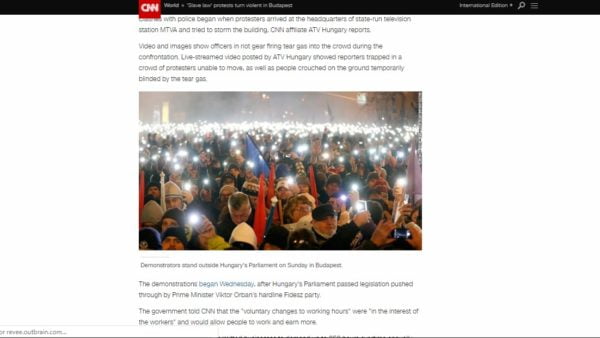
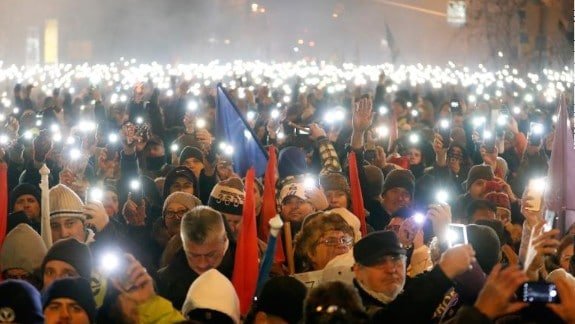
Demonstrations in Budapest

Are you coming to Budapest in the coming days, or maybe you are here already, and now you are worried after reading and hearing about violent demonstrations in Budapest the last days? So, what is the truth? What is it all about? And will you be in danger as a tourist?

First of all, the demonstrations are against the current Prime Minister and his rule, and first of all because of some new rules that were introduced last Wednesday. On that day, the Parliament voted for the so-called “Slave Law”, raising the number of over-time hours from 250 to 400 possible hours for workers. Some call this a great opportunity to work more and earn more, while most people believe this will be abused by employers to drive their workers even harder.

The second law that was introduced is about a new system for the courts of Hungary, which will be overseen by the Minister of Justice. And if we have learned something about the politics of Hungary, it is that the Minister of Justice is in the hands of the Prime Minister, which again means that only such people will get those jobs that will vote for and do whatever the Prime Minister wants… 

CNN coverage of the demonstrations in Budapest

Are the demonstrations dangerous for tourists?

The short answer is NO. The longer answer is NO, not at all! If you ever see someone demonstration, you can simply go another way. Or, you can decide to go with them. We have personal knowledge of people attending the demonstrations, and these are peaceful people who long for a change in the nation. There are some “crazy” people attending the demonstrations, but they are not really welcome, and if they turn a garbage can over, the people coming after normally place the garbage can back up in order.

In other words, if you are curious, take a look at what’s going on from a distance, and if you want to support them, walk with them. But, if you feel as if things get heated up, rather leave the area and eat some Goulash soup instead!

The ugly truth about the state of Hungary

We are really in love with the city of Budapest, but it doesn’t mean that we enjoy and appreciate everything that the politicans say and do. And it feels terrible when you hear that people are afraid to say their name to writers and to share their opinions on Facebook. Why? They are afraid of losing their jobs and fear their future. People are threatened to shut up, or they will lose their jobs! If you show up on demonstrations, the chances of being investigated for money matters or other stuff, increases a lot! 

Even more annoying is how the state media is compromised, and thus, the larger part of the Hungarian population do not even know about the demonstrations. The State TV is saying whatever they want, and normally all they say about the demonstrations is that George Soros has financed them, and that those showing up are bullies who only want to destroy and create trouble. There are a few credible and objective sources for information, but those are really few, and thus, the average Hungarian will only see the filtered news served them by the Hungarian government.

In other words, there are plenty of reasons to demonstrate – but as a tourist, you do not have to worry at all about. 

Election in Hungary on April 8th

On this upcoming Sunday, on April 8th, it is time for elections in Hungary. Do you need to know anything about the election if you come to Hungary?

If you come to Hungary as a tourist, you will most likely not even notice that it is election day. You will for sure see political posters and commercials here and there (Vote for me etc…), but nothing else besides that. But, as the results are made public, you might start to see some reactions on the faces of the people.

Election in Hungary

Fidesz, the party led by Prime Minister Viktor Orban, are the favorites to win the election over again, and thus continue their reign in Hungary. They have led the nation in the last eight years, and due to changes they made to the voting laws, it is very hard to get rid of them. Lots of changes have been made, but on Sunday the most important change might be that the opposing political parties cannot create coalitions after the vote, only before. In other words, if Fidesz ends up getting 40% of the votes, Jobbik gets 15% (the right extreme party) and all left side parties get a total of 45% of the votes, then Fidesz has won in the given area. In that way the force the opposition parties to cooperate before the voting, but that is very hard, and thus this is strengthening the position of Fidesz in Hungarian politics.

The most important subject in the political campaign (of Fidesz) leading up to the election has been migration policy. They are very condemning the political statements given from the EU headquarter in Brussels, and they are clear that Hungary will not be invaded by dangerous migrants destroying the Hungarian culture and religion. But, a lot of people consider these political statements as more of a way to scare the Hungarian citizens (which will result in them voting for Fidesz), than how much it has to do with reality and what’s going on.

What to expect after the election?

It can turn out in any way. Some people believe people will go to the streets if Fidesz loses the election. Other people believe the opposition will go to the streets if Fidesz wins again. It is hard to predict, but pay attention to the news wherever you might be to get a final update on the election results! Some people also predict that Hungary might be forced to leave the EU if Fidesz continues their reign, but it is truly hard to understand what is going on. Media in Hungary is in large part controlled by friends of the government, and for that reason, the news we are served are heavily filtered (except for a few places). We have an old article here called “An introduction to Hungarian Politics.” It is a bit out of date, but the basics are still the same. Read it if you have the time and want to understand more about what’s going on in the country.

If you have comments or questions, use the comment field beneath.