Budapest, Hungary’s vibrant capital, is a treasure trove of history, architecture, and culture. From the grandeur of Buda Castle to the thermal baths of Széchenyi, it’s a city that begs to be explored. While walking or taking a taxi might seem tempting, Budapest’s public transportation system—affordable, reliable, and extensive—offers the best way to see it all. Whether you’re marveling at the Parliament Building or sipping coffee by the Danube, here’s how to navigate Budapest’s top sights using buses, trams, metros, and more.
Why Public Transportation?
Budapest’s transit network, operated by BKK (Budapesti Közlekedési Központ), is a tourist’s dream. It’s cheap (a single ticket costs ~450 HUF, or $1.20 USD as of March 2025), eco-friendly, and connects every major landmark. With four metro lines, trams gliding along the Danube, and buses reaching quieter corners, you’ll save time and money while soaking in the city’s charm. Plus, it’s an authentic way to travel like a local.
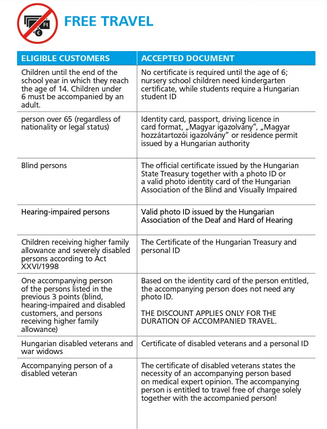
Getting Started: Tickets and Passes
Before hopping on, grab a ticket or pass. Single tickets (valid for one uninterrupted trip) are available at metro stations, BKK ticket machines, or via the BudapestGO app—download it for real-time schedules too. For sightseeing, consider these options:
- 24-hour Travelcard: ~2,500 HUF, unlimited rides for a day.
- 72-hour Travelcard: ~5,500 HUF, perfect for a weekend trip.
Validate tickets on board (trams/buses) or at metro gates. Hang onto them—inspectors do random checks!
Sightseeing Itinerary: Day 1 – Buda Side
Start your adventure on the Buda side, the hilly, historic half of the city.
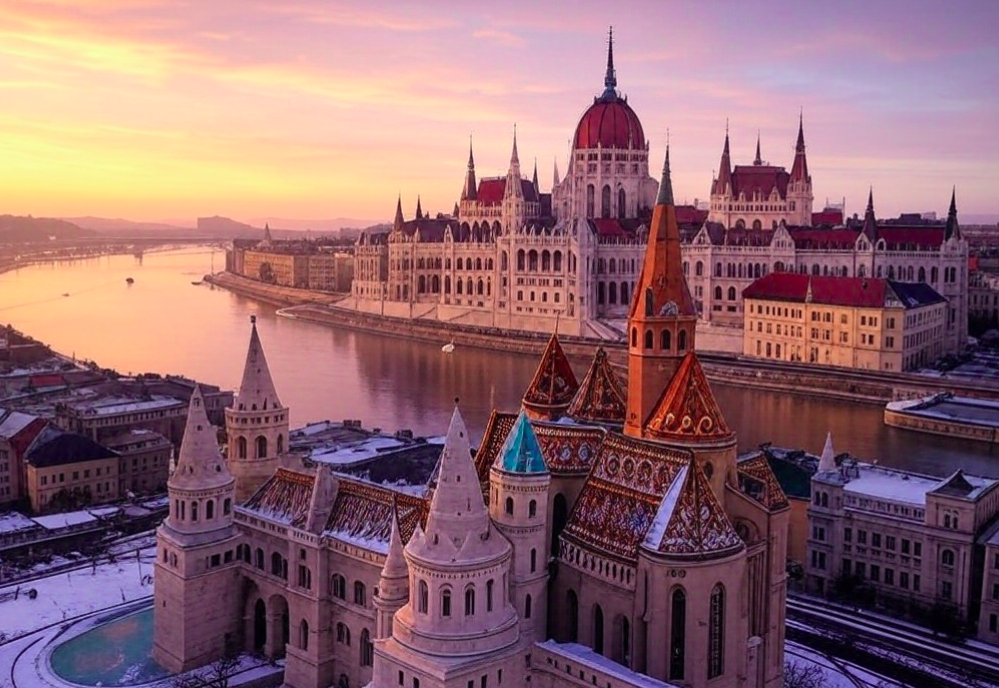
Buda Castle and Fisherman’s Bastion
- How to Get There: Take Metro Line M2 (red) to Széll Kálmán tér, then hop on the Castle Bus (Várbusz)—a free shuttle (with a valid ticket) to Buda Castle. Alternatively, ride the iconic Castle Hill Funicular from Clark Ádám tér (near Chain Bridge) for ~4,000 HUF round-trip.
- What to See: Explore the castle’s courtyards and the Hungarian National Gallery, then stroll to Fisherman’s Bastion for panoramic views of Pest and the Danube.
Matthias Church
- How to Get There: It’s a short walk from Fisherman’s Bastion—no extra transit needed.
- What to See: Admire this Gothic masterpiece with its colorful tiled roof and intricate interiors.
Gellért Hill and Citadel
- How to Get There: From Buda Castle, take bus 27 from Szentháromság tér to Búsuló Juhász, then walk 10 minutes uphill.
- What to See: The Citadel offers stunning vistas, and the Liberty Statue is a photo must. Descend via trails for a scenic return.
Wrap up with a tram ride on Tram 19 or 41 along the Buda embankment—pure riverside bliss.
Sightseeing Itinerary: Day 2 – Pest Side
Cross to Pest for bustling streets and grand architecture.
Hungarian Parliament Building
- How to Get There: Take Metro Line M2 to Kossuth Lajos tér.
- What to See: This neo-Gothic marvel is Budapest’s crown jewel. Book a guided tour to see the Holy Crown of Hungary inside.
St. Stephen’s Basilica
- How to Get There: From the Parliament, ride Tram 2 (a scenic route along the Danube) to Széchenyi István tér, then walk 5 minutes. You can also walk between the two locations easily, and then enjoy the beautiful Liberty Square during your walk.
- What to See: Climb the dome for 360-degree views or enjoy the serene interior. Entry is free, but donations are appreciated.
Heroes’ Square and City Park
- How to Get There: Take Metro Line M1 (yellow)—Europe’s oldest electrified metro—to Hősök tere.
- What to See: Admire the Millennium Monument, then wander into City Park for Vajdahunyad Castle and the Széchenyi Thermal Bath (more on that next).
Széchenyi Thermal Bath
- How to Get There: From Heroes’ Square, it’s a 10-minute walk, or take bus 20E to Széchenyi fürdő.
- What to See: Soak in Budapest’s largest thermal spa. Entry starts at ~12,000 HUF—bring a towel and flip-flops!
Sightseeing Itinerary: Day 3 – Danube Highlights
Focus on the river and its iconic crossings.
Chain Bridge
- How to Get There: From Pest, take Tram 2 to Széchenyi István tér. From Buda, use bus 16 from Szentháromság tér.
- What to See: Walk across this historic suspension bridge, linking Buda and Pest since 1849. Snap photos with lion statues guarding each end.
Danube Promenade and Shoes on the Danube
- How to Get There: From Chain Bridge, stroll along the Pest side or take Tram 2 to Vigadó tér.
- What to See: The promenade offers river views, while the Shoes on the Danube memorial—60 pairs of bronze shoes—honors Holocaust victims.
Margaret Island
- How to Get There: Take Tram 4/6 from Pest to Margitsziget, or bus 26 from Árpád híd metro station (M3).
- What to See: This green oasis has gardens, ruins, and a musical fountain. Rent a bike or relax by the water.
Discovering Budapest via Public Transportation Boat (no longer available)
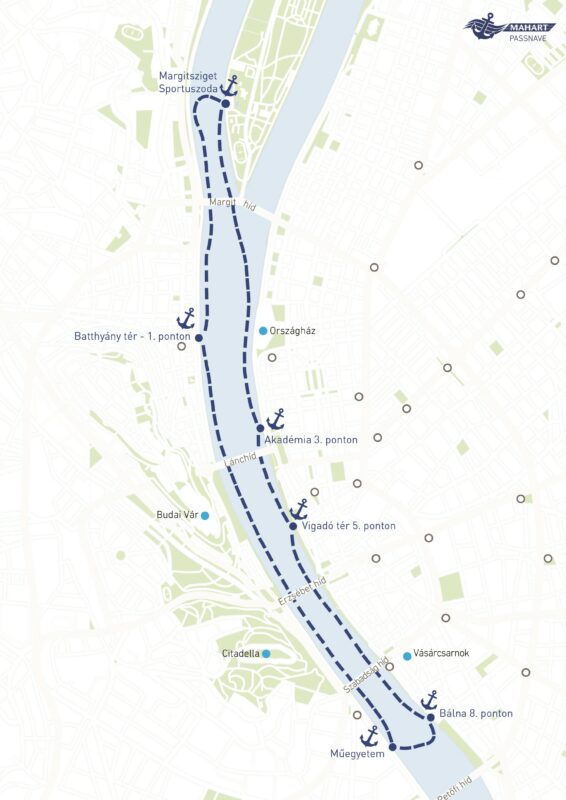
For a unique perspective, explore Budapest by public transportation boat along the Danube. Operated by BKK, these boats offer a scenic, budget-friendly alternative to tourist cruises. These boats are no longer available (since 2023).
- Availability: Boats run from mid-March to late October, weather permitting. Services like D11 (Újpest to Haller utca) and D12 (Római fürdő to Haller utca) operate weekdays, with limited weekend runs (e.g., D13). In 2023, high maintenance costs paused services, but as of 2025, they’re back seasonally—check BudapestGO for updates.
- Payment: Use standard BKK tickets or passes (e.g., 24-hour Travelcard, 2,500 HUF). Single tickets (450 HUF) work too, validated onboard. Boats are free with the Budapest Card on weekdays. Cash or card payments aren’t accepted onboard—buy tickets in advance via the app or at BKK kiosks.
- What to See: Departing from piers like Boráros tér or Batthyány tér, you’ll glide past the Parliament Building’s illuminated spires, Buda Castle perched atop its hill, and the Chain Bridge’s elegant arches. Look for Gellért Hill’s Citadel and Margaret Island’s greenery. The zigzagging route offers unobstructed views of Pest’s vibrant skyline and Buda’s historic charm—perfect for photos.
Tips for a Smooth Ride
- Timing: Metros run every 2-5 minutes during peak hours (5 AM–11:30 PM), trams and buses every 10-15 minutes. Check BudapestGO for night bus options after midnight.
- Crowds: Avoid rush hours (7-9 AM, 4-6 PM) for a comfier ride.
- Accessibility: Most metros (except M1) and newer trams/buses are wheelchair-friendly—look for blue symbols.
- Language: Signs are in Hungarian, but key stops have English announcements.
Why It Works
Budapest’s compact size makes public transit ideal. The metro’s four lines—M1 (yellow), M2 (red), M3 (blue), and M4 (green)—form the backbone, while trams like Tram 2 offer postcard-worthy views along the Danube. Buses fill gaps, reaching hilly Buda or outer Pest. A 72-hour pass (~$15 USD) covers it all, leaving you free to hop on and off without breaking the bank.
Beyond the Sights
Public transit isn’t just practical—it’s part of the experience. Ride the vintage M1 metro for a history lesson, or watch locals bustle on Tram 4/6, one of Europe’s busiest lines. Pair your journey with a kürtőskalács (chimney cake) from a street vendor near a stop, and you’re living Budapest life.
Final Thoughts
Sightseeing in Budapest by public transportation is efficient, affordable, and fun. From Buda’s castles to Pest’s baths, every landmark is a ride away. So, grab a travelcard, download BudapestGO, and let the city unfold before you—no car required. Have a favorite Budapest spot? Share it—I’d love to hear your picks!