6 Things Almost Everyone Wants to Do in Budapest (And Why They Are Worth It)

After guiding visitors around Budapest for nearly 20 years, we have heard just about every question and every stereotype. Some guests arrive and accidentally call the city Bucharest. Others believe the name “Pest” comes from an actual pest or plague. Many expect every Hungarian meal to be extremely spicy.

Some of these ideas are simply misunderstandings. Others contain a little truth. For example, Hungarian is indeed one of the more difficult European languages to learn for most visitors. Fortunately, you do not need to speak Hungarian to enjoy Budapest, and people working in tourism usually speak English well enough to help you.

Just like Paris is closely connected with the Eiffel Tower, every city has a few experiences that visitors already know before they arrive. Budapest is no different. Here are the six things that almost everyone wants to see or try during their first visit, along with some practical advice to help you enjoy them even more.

Should I really try goulash soup?

Yes. Even visitors who rarely order soup often decide to try Hungarian goulash soup, and very few regret it. It is one of those dishes that has earned its reputation.

Many restaurants serve good goulash, but the quality varies. If you enjoy it the first time, do not assume every bowl tastes exactly the same. Different restaurants prepare it in different ways, and many visitors are surprised that their second or third bowl is even better than the first.

Despite another common stereotype, Hungarian food is not automatically very spicy. Paprika gives many dishes their color and flavor, but that does not necessarily make them hot. If you prefer mild food, you can comfortably enjoy most traditional meals.

Is Hungarian wine really worth tasting?

If you are at least 18 years old, Hungarian wine deserves a place on your list. Many excellent Hungarian wines are difficult to find outside the country, making your visit a good opportunity to try something new.

You do not need to be a wine expert. Many restaurants and wine bars offer wines by the glass, allowing you to taste several different varieties without buying full bottles.

If you are unsure where to start, take a look at our recommendations for the wines you should taste while visiting Hungary. It can help you choose something that matches your own preferences instead of ordering randomly.

Should I take a Danube river cruise during the day or at night?

The honest answer is both, if your schedule allows.

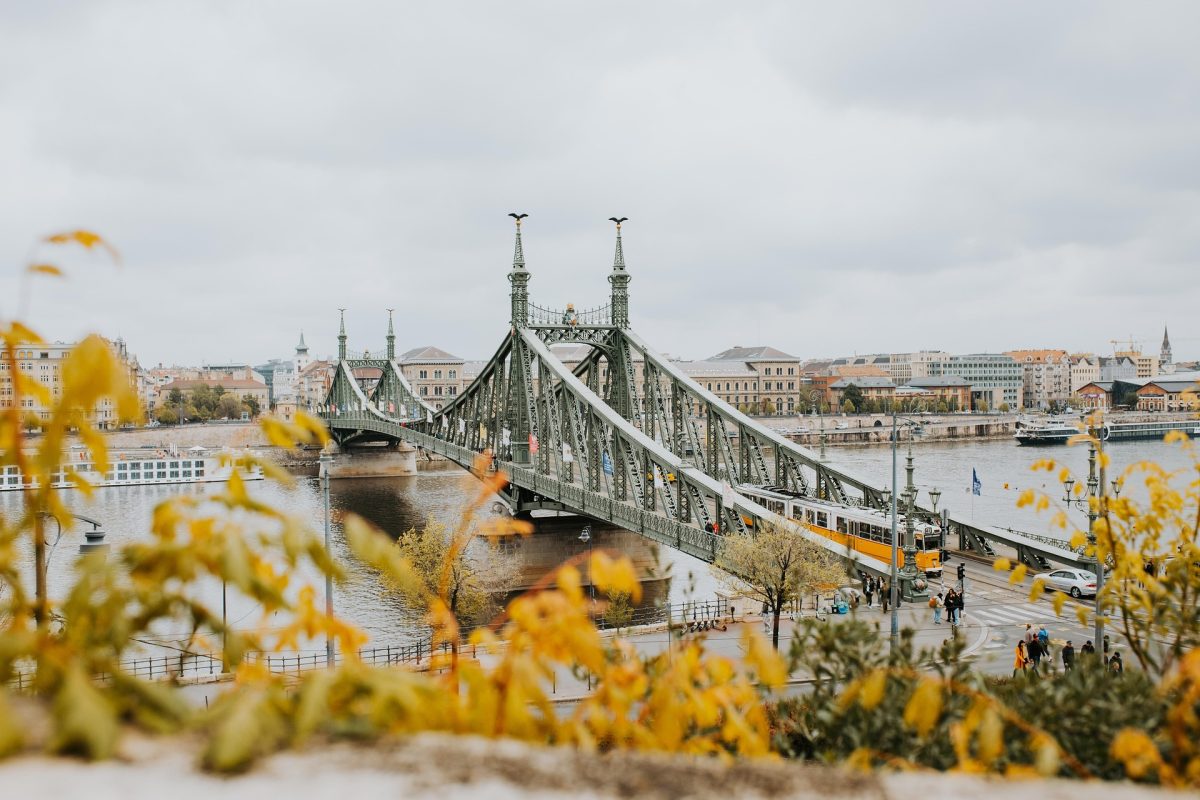
Many people book a daytime cruise because they want to see the buildings clearly. That makes perfect sense. During daylight you can easily admire the bridges, Buda Castle, the Parliament building, Gellért Hill, and many other landmarks.

But Budapest changes after sunset. The illuminated buildings reflected in the Danube create a completely different atmosphere. Visitors who expected the daytime cruise to be the highlight are often surprised that the evening cruise becomes their favorite memory instead.

If your budget only allows one cruise, evening is an excellent choice. If you have time for two, daytime and nighttime complement each other rather than replacing each other.

Is the view from Gellért Hill worth the walk?

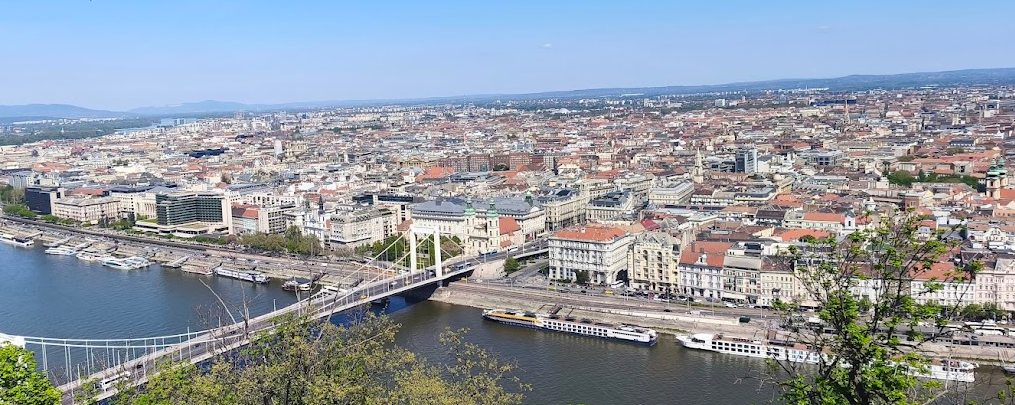
Absolutely. The view over Budapest is one of the city’s best, especially now that Gellért Hill has reopened after its renovation in 2026.

The climb is not extremely difficult, but it does require some effort. During summer, bring water and expect to sweat, particularly in the afternoon heat. Comfortable walking shoes are much better than sandals with little support.

If you visit during winter, the wind at the top can feel much colder than down by the river, so wearing an extra layer is a good idea.

There are benches where you can rest, and the reward is a wide view across both Buda and Pest. It also helps you understand the city’s layout much better than walking only at street level.

How much time should I spend at a thermal bath?

The famous Széchenyi Thermal Bath is on almost every first-time visitor’s itinerary, and for good reason. The outdoor pools with people playing chess have become one of Budapest’s most recognizable images.

Do not plan to spend only one hour there. Most visitors stay between three and four hours, sometimes longer.

One funny thing happens to many guests. They arrive thinking they will feel full of energy afterward, but relaxing in warm thermal water for several hours can actually leave you feeling pleasantly tired. That is perfectly normal.

Bring swimwear, flip-flops, and a towel if your ticket does not include rentals. Weekends and holidays are usually busier than weekday mornings.

Why does everyone photograph the Parliament building?

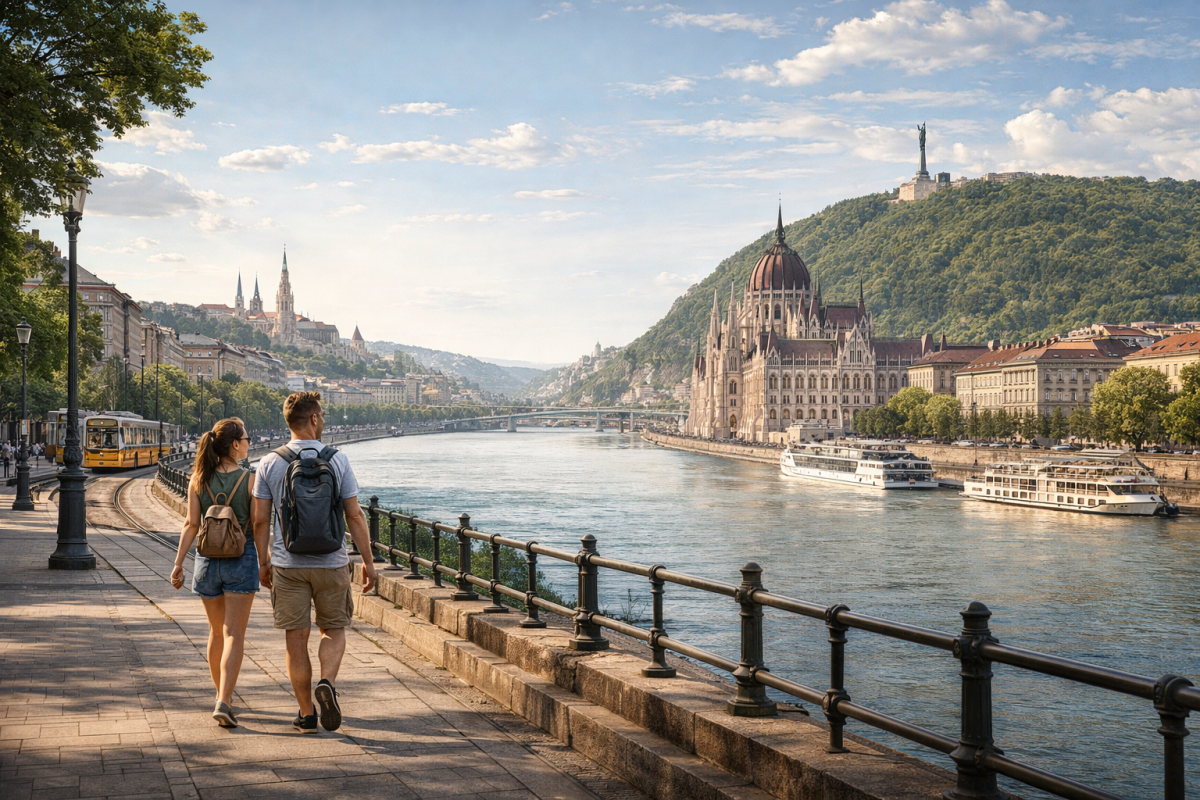
The Hungarian Parliament building is one of Europe’s most recognizable government buildings and one of the symbols of Budapest.

Many people around the world recently saw it in television broadcasts when Peter Magyar, Hungary’s Prime Minister since 2026, addressed supporters after the election. Seeing the building in person is quite different from seeing it on a screen. Its size is difficult to appreciate until you stand nearby.

You can enjoy excellent views from both sides of the Danube. During the evening, when the building is illuminated, it becomes one of the highlights of a river cruise as well.

Is that everything worth seeing in Budapest?

Not even close.

These six experiences appear on almost every visitor’s list because they really are enjoyable. They are popular for good reasons rather than because of clever marketing.

However, Budapest has many neighborhoods, markets, cafés, churches, viewpoints, and small streets that first-time visitors often miss. Those places usually require local knowledge rather than simply following a map.

If you would like to understand the city beyond the most famous attractions, consider joining our private Budapest Introduction Tour. Having a local guide means you can ask practical questions, learn how people actually live here, and often avoid the small mistakes that visitors commonly make during their first days in the city.

What if I also plan to visit Amsterdam?

If Budapest is only one stop on your European journey, we have good news. We now also offer private guided tours in Amsterdam, built around the same personal style that many of our Budapest guests appreciate.

You can read more about our private guided tours in Amsterdam if you plan to continue your trip there. A local guide cannot replace your own curiosity, but they can help you spend less time figuring things out and more time enjoying the city.

Whether this is your first visit to Budapest or your fifth, the city’s famous attractions are only the beginning. Once you have tasted the goulash, enjoyed a glass of Hungarian wine, cruised along the Danube, climbed Gellért Hill, relaxed in a thermal bath, and admired the Parliament building, you will probably understand why so many people return for another visit.
Budapest’s New Danube Beach: What You Should Know Before You Go

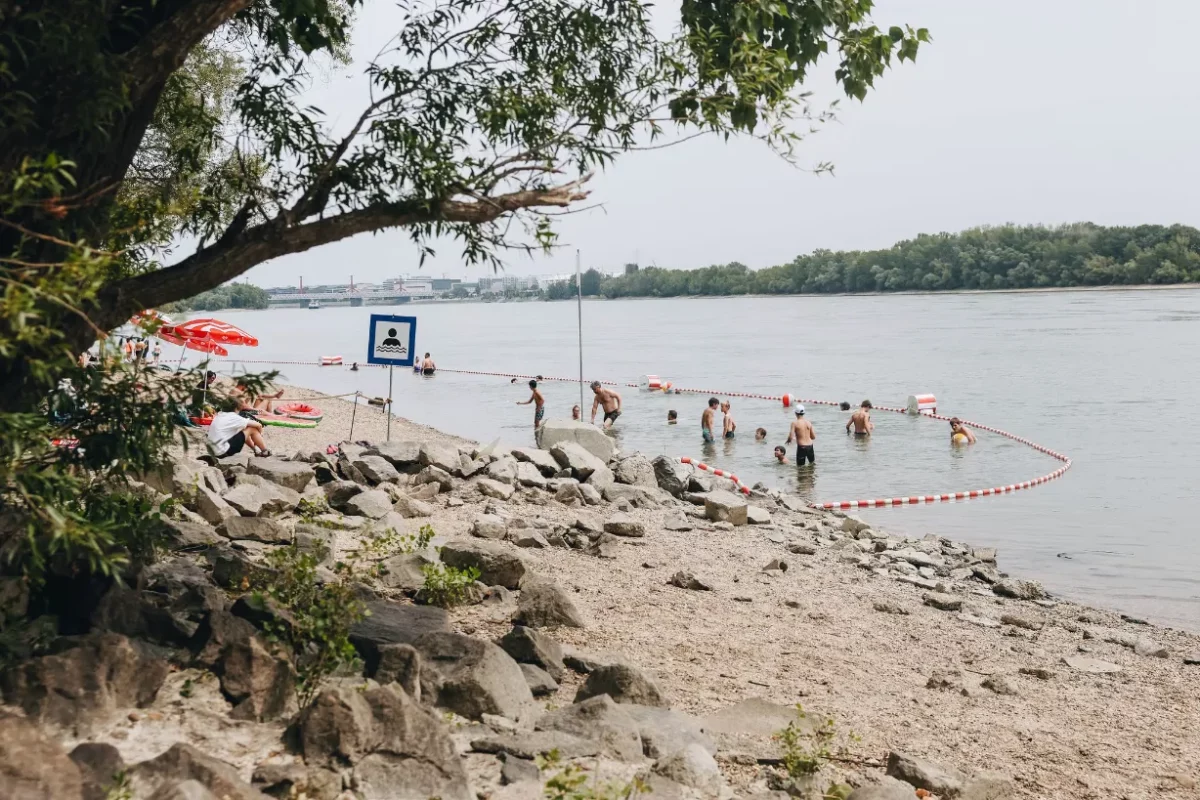
For many years, swimming in the Danube was something most visitors only admired from the riverbank. That has now changed with Budapest’s newly opened riverside beach, where you can legally swim in the river during designated opening hours.

The beach is free to use and offers a different way to cool down on a hot summer day. Before you pack your towel, it helps to know what to expect. The Danube is still a large river with changing conditions, and a little preparation will make your visit much more enjoyable.

Is it safe to swim in the Danube?

The water quality is regularly tested and considered suitable for swimming. If you have heard stories about the Danube being too polluted, that is no longer the case at this designated bathing area. According to information about the new Danube beach, water quality is monitored frequently.

Even so, you should treat the river with respect. The Danube has a noticeable current, and it can become stronger depending on recent rainfall and river conditions. This is very different from swimming in a pool or a calm lake.

During official opening hours, a swim guard is on duty. That improves safety, but you are still responsible for your own decisions. Watch children closely at all times, stay within the designated swimming area, and do not overestimate your swimming ability.

How do I get there?

The easiest route by public transport is to take the metro to Móricz Zsigmond körtér. From there, continue with bus 33 to the Kondorosi utca stop. After getting off the bus, the beach is about a 4 to 5-minute walk away.

If you are unfamiliar with Budapest’s metro system, you can check the Budapest metro map before you leave. It makes changing between the metro and the bus much easier.

Do I have to pay?

No. Entrance to the beach is free during its opening hours.

Because there is no admission fee, it can become busy on warm weekends and during school holidays. If you prefer a quieter atmosphere, visiting earlier in the day may be more comfortable.

What should I bring?

Bring everything you would normally take to a public beach. A swimsuit, towel, sunscreen, drinking water, and sandals are all good ideas. Summer temperatures in Budapest often reach 30°C or more, and there is limited shade in many riverside areas.

If you plan to spend several hours there, pack snacks and enough water. Staying hydrated is especially important on very hot days.

What should I expect when swimming?

This is a natural river, not a swimming pool. The riverbed, water temperature, and current can all feel different from what you may be used to.

If you are not a confident swimmer, stay close to the designated area and avoid swimming against the current for long periods. Even experienced swimmers can become tired more quickly in moving water.

Parents should remain within arm’s reach of young children, even with the swim guard present. Supervision is still your responsibility.

How much time should I allow?

If you are already staying in central Budapest, the journey by metro, bus, and a short walk is straightforward. Many visitors spend one or two hours at the beach before continuing with other sightseeing.

If you are looking for a break from walking around the city in the summer heat, the beach can be a refreshing stop. Just remember that weather conditions can change, and swimming may not always be possible if river conditions become unsafe.

Is it worth visiting?

If you enjoy swimming and want to experience the Danube in a legal and supervised setting, this new beach offers something that Budapest has lacked for many years. It is not a resort-style beach with endless facilities, but it gives both locals and visitors a chance to cool off in the river without leaving the city.

Go with realistic expectations, pay attention to the current, keep an eye on your family, and follow any instructions from the swim guard. With a little common sense, it can be a pleasant way to spend part of a hot summer day.

Picture source: Gergely Karácsony (Facebook)

Will Hungary Finally Adopt the Euro? What It Could Mean for Visitors to Budapest

For many years, one question kept coming up among visitors: why does Hungary still use the Forint while several neighboring countries have switched to the Euro?

In the past, the Hungarian government did not make Euro adoption a priority. More recently, however, the discussion has changed. In June 2026, Prime Minister Péter Magyar said the government aims to meet the conditions for joining the Euro by around 2030. That does not mean the change is guaranteed, but it is a more concrete target than Hungary has had for many years.

If you are planning a trip to Budapest, you do not need to prepare for immediate changes. The Hungarian Forint remains the country’s official currency, and visitors should continue to expect to pay in Forints for the foreseeable future.

Is Hungary really planning to adopt the Euro?

Yes, but the key word is planning. According to Reuters’ report on the government’s announcement, Hungary wants to meet the conditions for Euro adoption by around 2030. Similar statements have also been reported by Hungary Today.

This is a significant change compared with previous years, when Euro adoption was often delayed indefinitely. However, setting a target is only the beginning. Hungary must first satisfy a number of economic and legal requirements before it can join the Eurozone.

What has to happen before Hungary can use the Euro?

Joining the Euro is not simply a political decision. Every country must meet the so-called convergence criteria agreed by the European Union.

  • Inflation must remain close to the levels of the best-performing EU countries.
  • Government budget deficits must stay within EU limits.
  • Public debt should remain at sustainable levels.
  • Long-term interest rates must meet the required benchmarks.
  • The national currency must remain stable within the Exchange Rate Mechanism (ERM II) before adoption.

Hungary also needs to make sure its national legislation is fully compatible with the European Central Bank system. These are standard requirements for every country joining the Eurozone. You can find a broader background in the overview of Hungary and the Euro.

How quickly could this happen?

Visitors should not expect the Euro to appear in Hungary within the next year or two.

The government’s current goal is to meet the entry conditions by around 2030. Even if that timetable is achieved, there would still be practical preparations before Euro banknotes and coins replace the Forint. Introducing a new currency affects banks, businesses, cash registers, ATMs, accounting systems, and millions of everyday transactions.

In other words, this would be a gradual process rather than an overnight change.

What does this mean if you are visiting Budapest soon?

Very little will change in the near future. You should continue planning your trip exactly as you would today.

The official currency remains the Hungarian Forint. Most restaurants, supermarkets, museums, public transport ticket machines, and attractions charge in Forints, although many places accept international bank cards.

If you are preparing for your visit, our guide to currency in Hungary explains how payments work, where to exchange money, and what to expect when using cash or cards.

Would the Euro make things easier for tourists?

For many visitors, yes.

If you already use the Euro at home, you would no longer need to exchange money before arriving in Hungary. Prices would also become easier to compare with those in other Eurozone countries.

Travelers coming from countries outside Europe would probably notice less difference. They would still exchange their home currency, but into Euros instead of Forints.

Card payments are already widely accepted in Budapest, so many visitors rarely handle large amounts of cash. Because of that, the practical impact would be smaller today than it would have been twenty years ago.

Could prices go up after switching to the Euro?

This is a common concern whenever a country changes currency.

Some people worry that businesses might round prices upward during the transition. Similar debates took place in several countries that adopted the Euro in previous years.

At the same time, the actual effect depends on government measures, competition between businesses, and consumer protection. It is too early to predict exactly what would happen in Hungary, especially since no official changeover date has been announced.

Should visitors wait for the Euro before coming to Hungary?

No. There is no practical reason to delay a trip.

Budapest already works well for international visitors. Card payments are common, ATMs are easy to find, and exchanging money is straightforward if you need cash.

If Hungary eventually joins the Eurozone, paying for hotels, meals, museums, and public transport will probably become a little simpler for many European visitors. Until then, you should simply plan to use the Hungarian Forint, as every visitor does today.

For now, the biggest takeaway is that Hungary’s approach to the Euro appears to be changing. Whether the country reaches its stated goal around 2030 will depend on meeting the required economic conditions, not just on political intentions.

Best Second-Hand Clothes Stores in Budapest: Where to Find Vintage and Budget Fashion

If you want to buy clothes in Budapest without paying full retail prices, second-hand shops are a good option. Some visitors are looking for vintage fashion, while others simply want inexpensive everyday clothing. You can find both, but it helps to know what to expect before you start shopping.

Many second-hand stores are located in the city center or just outside it, so you do not need to travel far. If you are also planning to visit shopping malls and fashion streets, take a look at our guide to shopping in Budapest for a broader overview.

Do I need to leave the city center?

No. Several of the best-known second-hand shops are in the inner districts, especially District V, VI, and VII. These areas are easy to reach by metro, tram, or bus, and you can often combine shopping with sightseeing.

If you are staying near Deák Ferenc tér, Oktogon, or Astoria, you will find several second-hand stores within walking distance. Some larger chain stores are located a little farther out, but they are still easy to reach using public transport.

Which second-hand stores are the most popular?

Háda

Háda is probably the best-known second-hand clothing chain in Hungary. It has several branches across Budapest, including central locations. You will find men’s, women’s, and children’s clothing, together with shoes and accessories.

Stock changes regularly, so what you find depends on the day you visit. Some branches organize discount days when prices fall as new collections arrive. If you enjoy browsing, you may find very good deals, but it takes time.

Cream

Cream is popular with people looking for better-quality second-hand fashion. The shops are usually well organized, and you may find international brands that cost much more when bought new. Prices can be higher than in some other second-hand stores, especially for fashionable or nearly new items.

Humana

Humana has stores in central Budapest and is known for its rotating pricing system. New stock arrives at higher prices, and then prices gradually drop over the following days until many items become very inexpensive. If your travel dates are flexible, it is worth checking which pricing stage the shop is currently using.

LoveBug Vintage

If you are specifically looking for vintage clothing rather than cheap everyday fashion, LoveBug Vintage is one of the better-known choices in central Budapest. Expect carefully selected pieces instead of large quantities of clothing. Prices are usually higher than in standard second-hand shops because the focus is on style and unique items rather than bargains.

Can you really save money?

Yes, but not always.

If your goal is simply to buy basic clothing, second-hand shops can offer excellent value. You may find jeans, jackets, shirts, or sweaters for much less than in regular stores. However, fashionable vintage pieces or well-known designer brands often cost much more than people expect.

Finding the best bargains also requires patience. Unlike shopping in a regular clothing store, you may need to look through hundreds of items before finding the right size, color, or style.

What about shopping malls?

If you visit Budapest’s shopping malls instead of second-hand stores, you will mainly find international fast-fashion brands. Stores such as H&M, Reserved, C&A, New Yorker, Zara, Bershka, Pull&Bear, Stradivarius, and Sinsay are common.

These shops regularly have seasonal sales. If you visit during a sale, the price difference between new and second-hand clothing may be smaller than you expect. It is worth comparing prices before making a purchase.

What should I expect during my visit?

Second-hand shopping takes longer than shopping in regular fashion stores. There are usually fitting rooms, but they can be busy during weekends. Most shops accept bank cards, although carrying a small amount of cash is never a bad idea.

Weekday mornings and early afternoons are generally quieter than Saturdays. Mobile phone coverage is excellent throughout central Budapest, so checking prices online or contacting friends while shopping is easy.

If you enjoy searching for bargains and do not mind spending some time browsing, Budapest has several good second-hand stores that are easy to reach. If you only want one specific item as quickly as possible, a shopping mall may be the faster and more predictable option.

Is Buda Really Hilly and Pest Flat?

If you join a guided tour in Budapest, there is a good chance you will hear someone say: “Buda is hilly, Pest is flat.” It sounds like one of those travel-guide sayings that gets repeated so often that people stop questioning it.

In this case, however, the statement is largely true. It is not just a legend invented to make a tour more entertaining. If you spend a few days walking around Budapest, you will quickly notice a real difference between the two sides of the Danube.

What do you see from Gellért Hill?

The easiest way to understand the difference is to stand on Gellért Hill and look across the river.

From the top, you are about 150 meters above the Danube. Looking toward Pest, you will see a city that stretches out across a broad plain. The streets run across mostly level ground, and there are very few noticeable hills interrupting the skyline.

When you turn around and look toward Buda, the picture changes. You see hills, ridges, elevated neighborhoods, and roads that climb and descend rather than continue in straight lines.

The contrast is easy to spot even if you know nothing about Budapest’s geography.

What does “Buda is hilly” actually mean?

Some visitors hear the word “hilly” and imagine steep mountain roads everywhere. That is not what you should expect.

Most tourist attractions in Buda are still easy to reach. Public transportation covers the area well, and many hills are relatively gentle. However, you will notice more elevation changes than on the Pest side.

Examples include:

  • Gellért Hill
  • Castle Hill
  • The residential areas in the Buda Hills
  • Several parks and viewpoints located above river level

If you enjoy walking, Buda often feels greener and less crowded. On the other hand, you may find yourself climbing stairs, walking uphill, or taking longer routes than expected.

If you plan to visit the Citadel area, it is worth reading about whether it is hard to climb Gellért Hill before you go. The climb is manageable for most people, but it can feel tiring during hot summer weather.

Is Pest really flat?

For practical sightseeing purposes, yes.

The Pest side sits on a large flat area east of the Danube. Most of the city’s busiest districts, including the areas around Parliament, St. Stephen’s Basilica, Andrássy Avenue, and the Inner City, are easy to walk around because there are few significant slopes.

This is one reason many visitors spend so much time on the Pest side. Walking between attractions is straightforward, and you rarely have to think about elevation.

If you are pushing a stroller, using a wheelchair, carrying luggage, or simply prefer easy walks, Pest generally feels more comfortable.

Does the difference matter for tourists?

Usually, yes, but not in a dramatic way.

The difference affects:

  • Walking effort
  • Accessibility
  • Travel times on foot
  • The types of views you get
  • The density of buildings and neighborhoods

Pest tends to feel busier, denser, and easier to navigate on foot. Buda often feels more spacious because the hills limit how densely buildings can be packed together.

You do not need special equipment, hiking boots, or exceptional fitness to visit Buda. Comfortable walking shoes are usually enough.

So is the famous saying true?

Yes. Unlike many travel stories that become exaggerated over time, this one reflects reality.

If you stay within Budapest, it is accurate to say that Pest is flat while Buda is hilly. The difference is visible from viewpoints, noticeable when walking, and reflected in how the two sides of the city developed.

Just keep the scale in mind. Buda is not a mountain region, and Pest is not perfectly level everywhere. But for a visitor trying to understand Budapest quickly, the old saying remains a useful and realistic description of what you will experience.

Is It Hard to Climb Gellért Hill in Budapest?

Many visitors hear the word “hill” and imagine a long, exhausting hike. In reality, Gellért Hill is not a serious climbing challenge for most people. If you have ever walked up a mountain trail, climbed hundreds of stairs, or gone on a moderate hike, you will probably find Gellért Hill quite manageable.

The biggest challenge is usually not the hill itself. During summer, Budapest can reach temperatures above 30°C, and walking uphill in direct sunshine can feel much harder than the elevation suggests.

If you want more general information about the area, see our guide to Gellért Hill in Budapest.

How high is Gellért Hill?

According to Wikipedia’s information about Gellért Hill, the hill reaches 235 meters above sea level.

For comparison, the Danube and the area around the Elisabeth Bridge are roughly 100 meters above sea level.

That means you are not climbing 235 vertical meters from the river. The actual elevation gain is approximately 135 meters.

When you think about it that way, the climb sounds much less intimidating.

How far do you have to walk?

The exact distance depends on your route.

  • From Elisabeth Bridge, you can follow the paths leading uphill toward the Citadel.
  • From the Gellért Hotel and Liberty Bridge area, there are also several paths and stairways heading up the hillside.

Most visitors reach the top in 20 to 40 minutes, depending on fitness level, weather, and how often they stop for photos.

The paths are paved and easy to follow. You do not need special hiking equipment.

What should you wear?

Comfortable walking shoes are enough. Trainers or other everyday walking shoes work well.

In summer, bring water. There is not much shade on some sections of the climb, and the heat can make the walk feel much harder than expected.

In winter, the paths can occasionally be slippery after snow or freezing rain, so shoes with good grip are helpful.

What will you see at the top?

The main reward is the view. From the top of Gellért Hill, you can look across the Danube, the bridges, Pest, Buda Castle, and many of Budapest’s most famous landmarks.

You will also find the Citadel, which has undergone major renovation work and is again open to visitors. Even people who are not especially interested in military history often come here simply for the panoramic views.

Can children and older visitors do the climb?

Many families with children complete the walk without problems. Older visitors who are comfortable walking uphill at a steady pace can usually manage it as well.

The key is not to rush. There are plenty of places where you can stop, rest, and enjoy the scenery on the way up.

Is it worth the effort?

For most visitors, yes. The climb is short, the elevation gain is moderate, and the views are among the best in Budapest.

If you arrive expecting a mountain expedition, you will be surprised by how easy it is. If you arrive on a hot summer afternoon without water, it may feel much harder than it really is. Plan accordingly, wear comfortable shoes, and take your time.

Budapest Price Guide: Beer, Coffee, Taxi & Dinner

While Budapest remains one of the more affordable European capitals, the city has seen steady price increases over the last few years. For travelers and expats, the “Pearl of the Danube” still offers excellent value compared to Vienna or London, but navigating the local costs requires a bit more planning than it used to.

Budapest operates on a dual-tier economy where tourist-heavy areas like the Váci Street or the Buda Castle District command premium prices, while the inner residential areas of the 7th, 8th, and 9th districts offer a more authentic and budget-friendly experience. When planning your budget, it is essential to understand the currency in Hungary, as most transactions are still settled in the Hungarian Forint (HUF) even if prices are occasionally shown in Euros.


🍺 Beer: From Ruin Pubs to Craft Taprooms

Budapest’s beer culture has evolved from simple pale lagers to a sophisticated craft scene. The city is famous for its “Ruin Bars”—eclectic spaces built in abandoned tenement houses—which have become the primary social hubs for both locals and tourists.

  • Domestic Draught (0.5L): 1,000 HUF – 1,500 HUF. Standard Hungarian lagers like Soproni or Dreher are the staples here. In local “kocsma” (traditional pubs) slightly further from the center, you can still find pints for under 900 HUF.
  • Craft Beer: 1,800 HUF – 2,500 HUF. Budapest has a world-class craft scene. Expect to pay more for local IPAs or stouts from breweries like Mad Scientist or First Craft Beer.
  • Supermarket (0.5L Bottle): 400 HUF – 600 HUF. Buying from a Spar or Prima is the most cost-effective way to sample local brews.

☕ Coffee: The Historic and the “New Wave”

The city’s coffee culture is a bridge between the 19th-century Austro-Hungarian elegance and the modern third-wave movement. Whether you want to sit on velvet chairs or at a minimalist wooden counter, the price varies significantly.

  • Espresso: 550 HUF – 800 HUF. A quick caffeine fix at a standard café is very affordable.
  • Cappuccino / Flat White: 900 HUF – 1,300 HUF. This is the standard price in the many “New Wave” specialty shops found throughout the Jewish Quarter.
  • The “Grand Café” Experience: Expect to pay 2,000 HUF+ for a coffee at historic landmarks like the New York Café or Café Gerbeaud. You aren’t just paying for the beans; you are paying for the frescoed ceilings, live piano music, and a piece of Hungarian history.

🚕 Taxi: Regulated and Reliable

Taxis in Budapest were once a “wild west” of pricing, but strict regulations now protect passengers. All official taxis must be yellow, display their fare rates on the doors, and use a meter.

  • Base Fare: 1,100 HUF.
  • Price per Kilometer: 440 HUF.
  • Waiting Time: 110 HUF per minute.
  • Pro Tip: Avoid “freelance” drivers waiting outside train stations. Always use an app like Bolt or call a reputable company (like City Taxi or Főtaxi). This ensures the car is tracked and the price is honest.

🍽️ Dinner: Dining Out in the City

Budapest is a foodie’s paradise, offering everything from hearty Gulyás (Goulash) to Michelin-starred fine dining. The “Menu of the Day” (Napi Menü) is a local secret for a cheap, high-quality two-course lunch.

  • Inexpensive Meal (Lunch Special/Street Food): 2,500 HUF – 4,000 HUF. This covers a hearty bowl of soup and a main dish during lunch hours, or a high-quality burger or Langos from a street food court like Karavan.
  • Mid-range Dinner (3 courses for one): 8,000 HUF – 12,000 HUF. This usually includes an appetizer, a traditional main like Chicken Paprikash, and a dessert in a comfortable, sit-down restaurant.
  • Dinner for Two (Mid-range + Wine): 20,000 HUF – 30,000 HUF. A full evening out with a bottle of local Hungarian wine (look for Tokaj or Villány regions) will typically fall in this range.

💡 Quick Money Tips for 2026

  • Service Charge: Most sit-down restaurants now automatically add a 12.5% to 15% service charge to the bill. Always check your receipt; if it’s included, there is no obligation to tip extra.
  • Avoid “Euro Pricing”: Many shops in the center list prices in Euros to help tourists, but the internal exchange rate is often 10-20% worse than the bank rate. Always pay in HUF on card terminals to let your own bank handle the conversion.
  • Public Transport: While taxis are convenient, Budapest has one of the best public transport systems in Europe. A single ticket is 450 HUF, but a 24-hour or 72-hour pass is much better value for heavy sightseeing.

❓ FAQ about prices in Budapest

Is it cheap to eat out in Budapest?
Yes, especially compared to Western Europe or North America. While fine dining prices are catching up to global standards, everyday meals and street food remain very affordable for travelers.

Do taxis accept card in Budapest?
Yes, by law, all regulated yellow taxis must provide a card payment option. However, it is always a good habit to ask “Card?” before you hop in to ensure their terminal is functioning.

Is tipping expected in Budapest?
If a service charge is not included in your bill, a tip of 10% is customary and appreciated for good service. If a service charge is already listed, no further tip is expected.

Can you pay with card everywhere?
Almost everywhere in the city—from ruin bars to boutiques—accepts contactless payment. However, it is useful to carry a small amount of cash (2,000–5,000 HUF) for public restrooms, small market stalls, or very old-school neighborhood pubs.

Is It Easy to Explore Budapest on Foot? An Honest Guide for Normal Human Legs

So, you’ve booked your tickets to the Hungarian capital. You’ve seen the photos of the Parliament glowing like a golden palace, the massive bridges stretching across the Danube, and the hills rising over the Buda side. But as you look at the map, a tiny, nervous voice in your head asks: “Am I going to need a bionic knee replacement by day three?”

It’s a valid concern. When we travel, we often fluctuate between “Olympic athlete” energy on the first morning and “please leave me here to die on this bench” energy by the second afternoon. If you are wondering about exploring Budapest walking, you’ve come to the right place. This is a guide for people with normal human legs—not marathon runners, not mountain goats, just people who want to see beautiful things without their step-count becoming a form of torture.


The Big Comparison: How Walkable Is Budapest Compared to Its Neighbors?

Many travelers treat Central Europe like a beautiful, historical triathlon, hitting Krakow, Prague, and Budapest in one go. Naturally, we start comparing them.

If you’re coming from Poland, you might be spoiled. Krakow’s Old Town is famously compact and easy to explore on foot, where everything feels like it’s just five minutes away from a pierogi shop. It’s the ultimate “low-effort, high-reward” walking city.

Then there’s Prague. Prague’s Old Town is bigger than Krakow’s, but it’s still very manageable. Even the iconic trek across Charles Bridge and up toward the castle is the kind of walk that feels like a fairy tale, even if your calves feel a little tight by the time you reach the top.

But what about Budapest?

To be honest, Budapest is the “big brother” of the group. It is more spread out than Krakow and wider than Prague. However—and this is the important part—Budapest on foot is still very much a reality. It isn’t a sprawling concrete jungle like London or Paris where you must descend into the subway every twenty minutes. It’s a city designed for strolling; you just need to know how the distances work.


Is Budapest Actually Walkable?

The short answer is: Yes, absolutely.

The slightly longer answer is: It’s walkable, but it’s structured in layers. Unlike Krakow, where everything orbits one central square, Budapest is a collection of grand avenues and riverside promenades. While the city feels “big” because of the massive architecture, the actual distances between the major sights are surprisingly reasonable for anyone with average fitness and non-tragic footwear.

If you have a decent pair of sneakers and a willingness to stop for the occasional coffee or chimney cake, you can see 80% of the main attractions without ever stepping foot on a bus.


The “Longest” Walk You’ll Probably Do

When people look at a map of the Pest side (the flat side), they often get intimidated by the distance between City Park (Városliget) / Heroes’ Square and the Danube river area. It looks like a trek across a continent on a small screen.

In reality, this distance is around 2.5 to 3 kilometers at most. For a normal human, that’s about a 35–45 minute walk.

Here is why that isn’t a marathon:

  • The Scenery Factor: You aren’t walking past industrial warehouses; you’re walking down Andrássy Avenue, a UNESCO World Heritage site. You’ll pass the Opera House, beautiful mansions, and quirky cafes.
  • The Coffee Strategy: There are approximately ten billion places to sit down.
  • The Flatness: Pest is as flat as a pancake. There is zero incline on this route, making it a very low-impact way of exploring Budapest walking.

Actually, walking this route usually feels shorter than it is because your brain is too busy looking at the architecture to notice that your legs are moving.


The Danube: Where Your Phone Battery Dies Before Your Legs Do

If there is one place where walkable Budapest truly shines, it’s the banks of the Danube. Walking along the river is, without exaggeration, one of the most scenic urban walks in all of Europe.

Whether you are on the Pest side looking at the Buda Castle, or on the Buda side looking at the Parliament, the views are distracting in the best way possible. You’ll wander past the Shoes on the Danube Bank memorial, stroll under the Chain Bridge, and admire the tram lines rattling past.

This is the kind of walking where you forget about the distance. You’ll look at your fitness tracker at the end of the day and realize you’ve walked 12 kilometers, but your memory only registers “pretty building, cool bridge, nice boat.”


Shopping Street Reality Check: Váci utca

Then we have the famous shopping stretch between Vörösmarty Square and the Great Market Hall (Váci utca). For a normal tourist, this is a delightful, pedestrian-only stroll. It’s easy, flat, and full of life.

However, we must add a small disclaimer for husbands, partners, or friends walking next to someone who wants to enter every single shop.

If your travel companion treats every H&M, souvenir shop, and boutique like a museum that requires a 20-minute deep dive, this 1.5 km walk will transform into a test of spiritual endurance. This is where patience and strategic snack breaks become essential. Fortunately, there are plenty of places to grab a lángos or a beer while you wait outside.


The Hills: Where Budapest Makes You Sweat

We’ve established that Pest is flat and easy. But then there’s the Buda side. This is where Budapest finally asks you to put in some effort.

Gellért Hill: The Life-Choice Questioner

Gellért Hill is the place where you will sweat. You will likely question your life choices about halfway up. You will be profoundly grateful that you didn’t wear flip-flops. It is a steep climb, and while the paths are paved, your heart rate will definitely let you know it’s working.

The Silver Lining: The view from the top is the best in the city. Period. It’s worth every heavy breath.

Castle Hill: The Gentle Giant

Don’t let the “Hill” in the name scare you off. Compared to Gellért, Castle Hill is a breeze. The paths are gradual and winding rather than straight up. Most people find that they can walk up to the Fisherman’s Bastion and the Buda Castle without needing a nap afterward. It feels much less brutal than it looks in those dramatic drone photos.


Do You Actually Need Public Transport?

In many cities, the metro is a survival tool. In Budapest, it’s more of a “comfort upgrade.”

Because the distances in Budapest are manageable, you can walk almost everywhere. You only really need the tram or the metro when:

  1. Your legs are genuinely tired after 15,000 steps.
  2. It’s raining cats and dogs.
  3. You want to experience the M1 (the yellow line), which is the second oldest underground in the world and incredibly cute (it feels like riding a Victorian tin toy).

The trams (especially line 2 along the river) are great, but they aren’t a necessity to get from point A to point B.


Shoes, Expectations, and Common Sense

To ensure your feet remain your friends, let’s talk logistics:

  • Comfort over Fashion: Budapest has a lot of cobblestones. This is not the place to “break in” brand-new leather boots or walk 10 miles in thin ballet flats. Wear something with a bit of cushion.
  • Hydrate like a Pro: As we’ve mentioned in other guides, the tap water is safe. Keep a bottle in your bag and refill it.
  • The “Civilized Human” Break: Don’t try to do the whole city in one go. Budapest is famous for its cafe culture for a reason. Sit down, have a coffee, watch the people, and let your feet recover for twenty minutes every few hours.

Final Verdict: Will Budapest Destroy Your Feet?

Absolutely not. Budapest is a rewarding, gorgeous, and surprisingly accessible city. While it is more spread out than the tiny medieval centers of Krakow or Prague, the flatness of the Pest side and the sheer beauty of the Danube promenade make the distances feel like a pleasure rather than a chore.

The only place that deserves your mild respect and a bit of deep breathing is Gellért Hill. Everything else is a walk in the park—literally and figuratively.

Budapest will challenge your camera’s storage space and your phone’s battery life, but it won’t challenge your knees. Tie your laces, grab your map, and get out there. Your legs will be just fine.

Would you like me to help you plan a specific walking route that hits the best sights in under 10,000 steps?

Can I Drink the Water Everywhere in Budapest? Is the Tap Water Safe?

So, you’ve made it to the “Pearl of the Danube.” You’re staring at the majestic Parliament building, your feet are tired from walking the Fisherman’s Bastion, and you’re parched. You look at the massive river flowing through the center of the city and think, “Is that… a giant refreshment station?”

Stop right there.

Before you go dipping your reusable bottle into the river or eyeing a decorative lion-head fountain in a public park, let’s have a little chat about hydration in the Hungarian capital.


The “Not Everywhere” Rule (Read This Before You Sip)

First, let’s clear up a major misunderstanding. When people ask, “Can I drink the water everywhere in Budapest?” the technical answer is absolutely not. 1. The Danube: This is a working river. It’s beautiful, it’s iconic, and it is full of boats, history, and things you definitely don’t want to swallow. It is not a beverage.

2. Public Ornamental Fountains: If you see a beautiful stone fountain with water dancing in the air, that is for your Instagram feed, not your stomach. Unless there is a very clear sign that says “Ivóvíz” (Drinking Water), stay away.

Now that we’ve prevented a medical emergency, let’s get to the good news.


The Big Reveal: Is Budapest Tap Water Safe?

If you are standing in your hotel bathroom, a rented Airbnb, or a local restaurant, the answer is a resounding YES. The tap water in Budapest is completely safe to drink. It is strictly controlled, constantly tested, and meets all European Union standards for quality. You don’t need to brush your teeth with bottled water, and you certainly don’t need to fear the ice cubes in your soda. The water coming out of the plumbing is clean, healthy, and perfectly fine for daily consumption.

Why Does It Taste… “Special”?

If you’ve recently traveled from the Netherlands, you might notice a difference. In Amsterdam, they barely use chloride to treat their water, resulting in a taste that many claim is better than bottled stuff.

Budapest, however, uses a bit more chlorine in the treatment process. This means your glass of water might have a slight “chemical” or “pool-adjacent” hint to it. Don’t panic. This doesn’t mean it’s toxic; in fact, it’s the opposite. That scent is proof that the water has been thoroughly processed and is free of any nasties. If the taste bothers you, just let the water sit in a glass for a few minutes or chill it in the fridge—the chlorine scent will dissipate, and it’ll taste just fine.


The Bottled Water Color Code

While the tap water is safe, maybe you’re a “bubbles person,” or perhaps you just like carrying a plastic bottle as a fashion statement. If you head to a local ABC or Spar supermarket, you’ll see walls of bottled water.

Hungarians take their water categories seriously. To avoid a carbonated surprise, remember this Cap Color Code:

  • Pink Cap: Still water (No gas. The “boring” but reliable choice).
  • Green Cap: Lightly sparkling (Mild bubbles, for when you want to feel fancy but not overwhelmed).
  • Blue Cap: Sparkling (Full-on carbonation. It will fight back).

Bottled water is incredibly cheap and available at every street-corner kiosk. But remember: drinking from the tap saves you money and keeps plastic out of the beautiful Hungarian landscape!


“The Water Made Me Sick!” (The Great Hungarian Myth)

We’ve all heard that one traveler who claims they had a “bad reaction” to the water in Budapest. They spent the morning in the bathroom and blamed the tap.

However, if we look closer at the “Evidence Board” of their night out, we usually find a few other suspects:

  • Three shots of Pálinka (Hungarian fruit brandy that doubles as rocket fuel).
  • A glass of Unicum (A herbal digestif that tastes like a forest punched you in the face).
  • Multiple glasses of Tokaj dessert wine.
  • A massive Hungarian sausage dripping with paprika and grease, consumed at 3:00 AM from a questionable food stall.

…and then they drank one glass of tap water before bed.

Naturally, the water gets the blame. It was the last thing they drank, right? Purely a coincidence. In reality, Budapest tap water is the most innocent character in that story.


The Verdict

The bottom line is simple: Drink the tap water. It’s safe, it’s boringly regulated, and it’s not going to ruin your vacation. Save your money for an extra chimney cake or another round of beers at the ruin pubs.

Your wallet, the environment, and your hydration levels will thank you.

It’s Snowing in Budapest! A Rare Winter Treat (and What to Do When It Happens)

Snow in Budapest is a bit like seeing a unicorn ride a tram down Nagykörút: magical, surprising, and something you immediately want to photograph. When snowflakes start falling over the Parliament, locals stop pretending they’ve “seen it all before,” tourists lose their minds (in a good way), and the city suddenly feels like it belongs in a snow globe.

But how often does it actually snow in Budapest? Is it an every-year guarantee? And what should you do when the city turns white? Grab a scarf, maybe a mulled wine, and let’s find out.


Does It Snow in Budapest Every Year?

Short answer: Nope.

Despite Hungary having four distinct seasons, snow is not guaranteed every winter in Budapest. Some years bring a few magical snowy days, others deliver nothing but cold rain, gray skies, and locals complaining loudly about both.

On average:

  • Light snowfall happens every few years
  • Proper, postcard-worthy snow cover is irregular
  • Heavy snow that sticks around? Rare

Climate change hasn’t helped either. Winters in Budapest have become milder, and snowfall is less frequent than it was a few decades ago. That’s why when snow does arrive, the city treats it like a surprise party nobody planned but everyone secretly wanted.


Why Snow in Budapest Feels Extra Special

Budapest is already beautiful — but add snow and suddenly:

  • The Parliament looks like it belongs in a fantasy novel
  • Buda Castle turns into a medieval winter fortress
  • The Chain Bridge becomes 30% more romantic (scientifically proven, probably)

Snow softens the city’s edges. The usual hustle slows down. Trams squeak a little more dramatically. People walk carefully, pretending they’re not enjoying themselves while clearly enjoying themselves.


What to Do When It’s Snowing in Budapest

So it’s snowing. You’re cold. Your phone battery is dying faster than usual. What now? Fortunately, Budapest offers excellent snowy-day options, whether you want to embrace winter or run away from it.


1. Go Ice Skating Like a Local (or a Wobbly Tourist)

If it’s cold enough, Városligeti Műjégpálya (City Park Ice Rink) is the place to be.

Why it’s special:

  • One of the largest outdoor ice rinks in Europe
  • Located next to Vajdahunyad Castle (yes, it looks ridiculous in snow)
  • Skate rentals available, even if you haven’t skated since childhood trauma

Even if you don’t skate, watching people attempt graceful turns and fail spectacularly is premium winter entertainment.

Pro tip: Warm up afterward with hot wine or tea nearby — you’ve earned it.


2. Slide Down Normafa (Yes, Adults Do This)

When it snows properly, Normafa becomes Budapest’s unofficial winter playground.

What people do there:

  • Sledding
  • Sliding on plastic trays
  • Laughing uncontrollably
  • Falling over with dignity (or not)

You don’t need fancy equipment. Locals show up with:

  • Sleds
  • Cardboard
  • Whatever object vaguely resembles a sliding device

It’s chaotic, wholesome, and one of the most genuinely fun snowy activities in the city.

Bonus: The views over Budapest are stunning — especially when everything is white.


3. Escape the Cold in a Shopping Mall (No Shame)

Let’s be honest: snow is cute for about 40 minutes. After that, your toes start negotiations.

Budapest’s malls are warm, spacious, and judgment-free:

  • WestEnd City Center
  • Arena Mall
  • Allee

Perfect for:

  • Shopping
  • Coffee breaks
  • Pretending you “just popped in” and emerging three hours later

You’ll see locals doing exactly the same thing — winter survival is a shared experience.


4. Wine Tasting: The Most Hungarian Winter Solution

Snowy weather practically demands wine.

Budapest is full of:

  • Cozy wine bars
  • Hungarian reds perfect for cold days
  • Whites that pair suspiciously well with complaining about the weather

Try:

  • Egri Bikavér (Bull’s Blood)
  • Tokaji (sweet or dry)
  • A guided wine tasting if you want to feel educational about it

Wine + snow = excellent life choices.


5. Walk the City (Carefully) and Take Photos

If sidewalks aren’t too icy, snowy Budapest is incredibly photogenic.

Best spots:

  • Fisherman’s Bastion
  • Buda Castle
  • Andrássy Avenue
  • Parliament from across the Danube

Everything looks quieter, softer, and slightly more dramatic. Even the pigeons seem more philosophical.

Just walk slowly — Budapest pavements in winter are not your friends.


Are Danube River Cruises Still Running?

Surprisingly: yes, most of the time.

Unless there is heavy ice on the Danube (which is rare nowadays), river cruises continue to operate even when it’s snowing.

Why a winter cruise is actually great:

  • Heated interiors
  • Snowy views of Parliament and bridges
  • Fewer crowds
  • Excellent excuse to sit down and relax

It’s one of the most comfortable ways to enjoy the city when it’s cold outside and you’re done pretending you enjoy freezing wind.


What If It Snows… A Lot?

Heavy snowfall in Budapest is uncommon, but when it happens:

  • Public transport may slow down (dramatically)
  • Locals become instant winter experts
  • Social media fills with photos and mild chaos

The city generally copes well, but expect:

  • Slush
  • Delays
  • And lots of “This never happens!” from people who said the same thing last year

Final Thoughts: Enjoy It While It Lasts

Snow in Budapest doesn’t usually stick around for long. It melts. Life continues. People go back to complaining about rain instead.

So if you’re lucky enough to be in the city when snow falls:

  • Take photos
  • Drink something warm
  • Do something fun
  • Don’t wait for “better weather”

Because in Budapest, snow is not guaranteed — but memories are.

And if nothing else, at least you’ll have proof that yes, it really did snow in Budapest. ❄️