Is Buda Really Hilly and Pest Flat?

If you join a guided tour in Budapest, there is a good chance you will hear someone say: “Buda is hilly, Pest is flat.” It sounds like one of those travel-guide sayings that gets repeated so often that people stop questioning it.

In this case, however, the statement is largely true. It is not just a legend invented to make a tour more entertaining. If you spend a few days walking around Budapest, you will quickly notice a real difference between the two sides of the Danube.

What do you see from Gellért Hill?

The easiest way to understand the difference is to stand on Gellért Hill and look across the river.

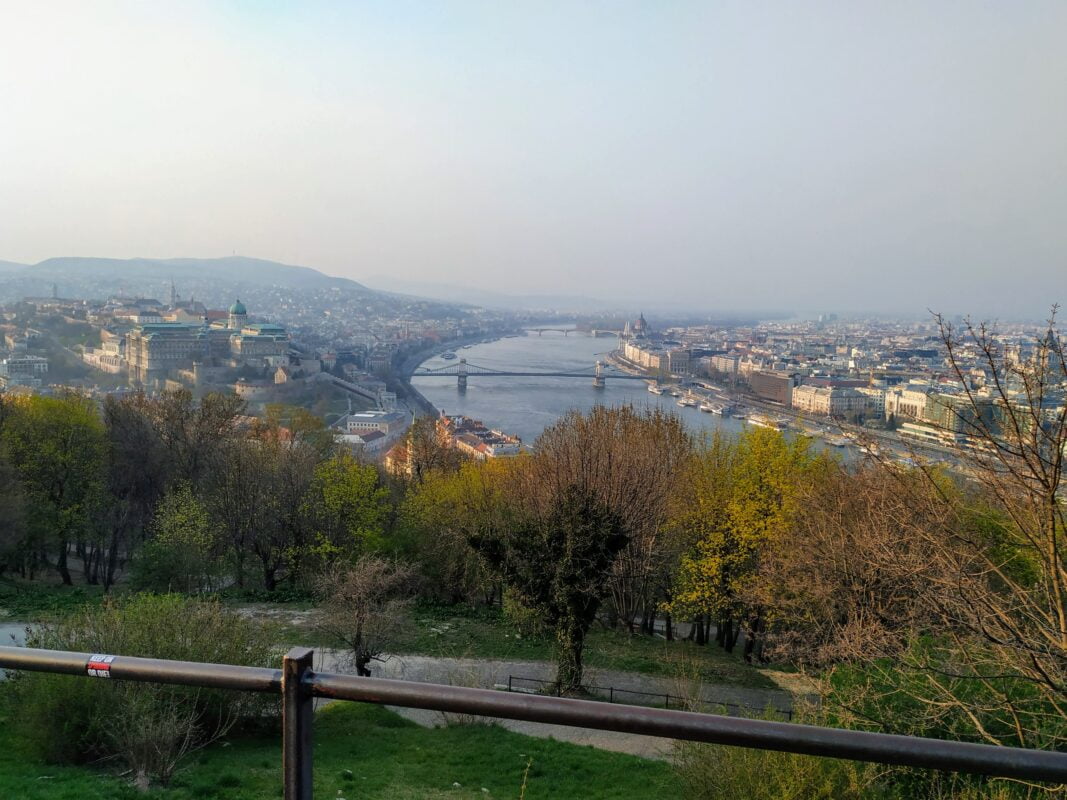
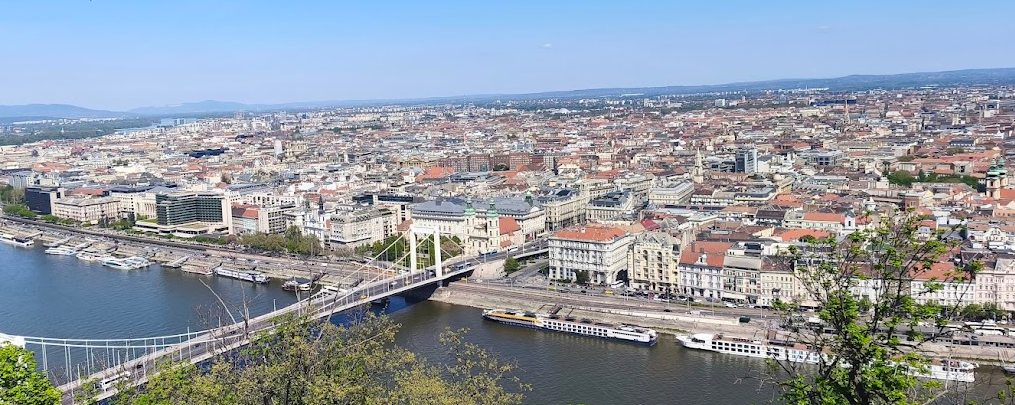
From the top, you are about 150 meters above the Danube. Looking toward Pest, you will see a city that stretches out across a broad plain. The streets run across mostly level ground, and there are very few noticeable hills interrupting the skyline.

When you turn around and look toward Buda, the picture changes. You see hills, ridges, elevated neighborhoods, and roads that climb and descend rather than continue in straight lines.

The contrast is easy to spot even if you know nothing about Budapest’s geography.

What does “Buda is hilly” actually mean?

Some visitors hear the word “hilly” and imagine steep mountain roads everywhere. That is not what you should expect.

Most tourist attractions in Buda are still easy to reach. Public transportation covers the area well, and many hills are relatively gentle. However, you will notice more elevation changes than on the Pest side.

Examples include:

  • Gellért Hill
  • Castle Hill
  • The residential areas in the Buda Hills
  • Several parks and viewpoints located above river level

If you enjoy walking, Buda often feels greener and less crowded. On the other hand, you may find yourself climbing stairs, walking uphill, or taking longer routes than expected.

If you plan to visit the Citadel area, it is worth reading about whether it is hard to climb Gellért Hill before you go. The climb is manageable for most people, but it can feel tiring during hot summer weather.

Is Pest really flat?

For practical sightseeing purposes, yes.

The Pest side sits on a large flat area east of the Danube. Most of the city’s busiest districts, including the areas around Parliament, St. Stephen’s Basilica, Andrássy Avenue, and the Inner City, are easy to walk around because there are few significant slopes.

This is one reason many visitors spend so much time on the Pest side. Walking between attractions is straightforward, and you rarely have to think about elevation.

If you are pushing a stroller, using a wheelchair, carrying luggage, or simply prefer easy walks, Pest generally feels more comfortable.

Does the difference matter for tourists?

Usually, yes, but not in a dramatic way.

The difference affects:

  • Walking effort
  • Accessibility
  • Travel times on foot
  • The types of views you get
  • The density of buildings and neighborhoods

Pest tends to feel busier, denser, and easier to navigate on foot. Buda often feels more spacious because the hills limit how densely buildings can be packed together.

You do not need special equipment, hiking boots, or exceptional fitness to visit Buda. Comfortable walking shoes are usually enough.

So is the famous saying true?

Yes. Unlike many travel stories that become exaggerated over time, this one reflects reality.

If you stay within Budapest, it is accurate to say that Pest is flat while Buda is hilly. The difference is visible from viewpoints, noticeable when walking, and reflected in how the two sides of the city developed.

Just keep the scale in mind. Buda is not a mountain region, and Pest is not perfectly level everywhere. But for a visitor trying to understand Budapest quickly, the old saying remains a useful and realistic description of what you will experience.

Is It Hard to Climb Gellért Hill in Budapest?

Many visitors hear the word “hill” and imagine a long, exhausting hike. In reality, Gellért Hill is not a serious climbing challenge for most people. If you have ever walked up a mountain trail, climbed hundreds of stairs, or gone on a moderate hike, you will probably find Gellért Hill quite manageable.

The biggest challenge is usually not the hill itself. During summer, Budapest can reach temperatures above 30°C, and walking uphill in direct sunshine can feel much harder than the elevation suggests.

If you want more general information about the area, see our guide to Gellért Hill in Budapest.

How high is Gellért Hill?

According to Wikipedia’s information about Gellért Hill, the hill reaches 235 meters above sea level.

For comparison, the Danube and the area around the Elisabeth Bridge are roughly 100 meters above sea level.

That means you are not climbing 235 vertical meters from the river. The actual elevation gain is approximately 135 meters.

When you think about it that way, the climb sounds much less intimidating.

How far do you have to walk?

The exact distance depends on your route.

  • From Elisabeth Bridge, you can follow the paths leading uphill toward the Citadel.
  • From the Gellért Hotel and Liberty Bridge area, there are also several paths and stairways heading up the hillside.

Most visitors reach the top in 20 to 40 minutes, depending on fitness level, weather, and how often they stop for photos.

The paths are paved and easy to follow. You do not need special hiking equipment.

What should you wear?

Comfortable walking shoes are enough. Trainers or other everyday walking shoes work well.

In summer, bring water. There is not much shade on some sections of the climb, and the heat can make the walk feel much harder than expected.

In winter, the paths can occasionally be slippery after snow or freezing rain, so shoes with good grip are helpful.

What will you see at the top?

The main reward is the view. From the top of Gellért Hill, you can look across the Danube, the bridges, Pest, Buda Castle, and many of Budapest’s most famous landmarks.

You will also find the Citadel, which has undergone major renovation work and is again open to visitors. Even people who are not especially interested in military history often come here simply for the panoramic views.

Can children and older visitors do the climb?

Many families with children complete the walk without problems. Older visitors who are comfortable walking uphill at a steady pace can usually manage it as well.

The key is not to rush. There are plenty of places where you can stop, rest, and enjoy the scenery on the way up.

Is it worth the effort?

For most visitors, yes. The climb is short, the elevation gain is moderate, and the views are among the best in Budapest.

If you arrive expecting a mountain expedition, you will be surprised by how easy it is. If you arrive on a hot summer afternoon without water, it may feel much harder than it really is. Plan accordingly, wear comfortable shoes, and take your time.

Spring Returns to Budapest: The Citadella on Gellért Hill Reopens on March 28, 2026

Budapest is preparing for one of the most exciting cultural moments of 2026. After years of restoration and redevelopment, the iconic Citadella on Gellért Hill will officially reopen to visitors on March 28, 2026. The reopening arrives just as spring awakens the Hungarian capital, bringing blossoming trees, longer evenings along the Danube, and a renewed wave of international travelers eager to rediscover one of the city’s most spectacular viewpoints.

For locals, the Citadella has always been a symbol of Budapest’s dramatic history and beauty. For visitors, it is the place where the city unfolds beneath your feet — the Parliament shining across the river, the bridges stretching across the Danube, and the rooftops of Pest glowing at sunset. With its reopening, the area has been transformed into something more than a lookout point. It is becoming a vibrant cultural park and a new gathering place for the city.

If you want to explore more of the Hungarian capital while planning your trip, take a look at this detailed guide to the top attractions in Budapest.

A New Green Oasis Above the Danube

One of the most noticeable changes visitors will experience is the creation of a 20,000 square meter green space surrounding the Citadella.

The redevelopment project has focused heavily on nature and sustainability. Walking paths wind through newly landscaped gardens filled with native Hungarian plants, trees, and flowers. Benches and terraces have been placed strategically along the slopes so visitors can sit and admire the sweeping views of Budapest.

Spring visitors will be among the first to experience the hill in full bloom. Cherry blossoms, fresh grass, and the soft colors of new foliage will contrast beautifully with the historic stone walls of the Citadella.

🌿 Why this matters for visitors

  • More shaded walking areas and scenic viewpoints
  • Relaxed picnic spots overlooking the Danube
  • A peaceful park atmosphere just minutes from the busy city center

For many travelers, this will transform Gellért Hill from a quick photo stop into a place where they might spend an entire afternoon.

The New Glass Bridge Experience

Another highlight of the redevelopment is the striking glass bridge that will connect sections of the Citadella complex.

This modern architectural feature provides visitors with an entirely new perspective. As you walk across the transparent structure, the steep slopes of Gellért Hill drop away beneath your feet while the panorama of Budapest spreads out in front of you.

It is expected to quickly become one of the city’s most photographed locations.

📸 What makes the bridge special

  • Unique vantage points for photographers
  • Dramatic views toward the Danube and Liberty Bridge
  • A modern contrast to the historic fortress walls

Budapest has always blended historic architecture with contemporary design, and the new bridge is a perfect example of how the city continues to evolve.

The Bastion of Freedom Exhibition

History remains at the heart of the Citadella experience. The reopening also introduces a new permanent exhibition titled “The Bastion of Freedom.”

The exhibition explores Hungary’s long and complex struggle for independence, with particular focus on the country’s revolutions and fight for sovereignty. Visitors will encounter interactive displays, historical artifacts, and multimedia installations that explain how the Citadella itself became a powerful political symbol.

🏛 Themes explored in the exhibition

  • Hungary’s 1848–49 revolution
  • The Citadella’s role during the Habsburg era
  • The symbolism of freedom and national identity

The exhibition ensures that the Citadella is not only a scenic destination but also an important educational experience for visitors who want to understand Hungary’s past.

Spring Tourism Returns to Budapest

The reopening is perfectly timed with the start of the spring travel season. Budapest traditionally welcomes millions of visitors between April and June, when outdoor cafés reopen and cultural events fill the city.

Travel experts expect the renovated Citadella to become one of the most visited attractions of the year.

Visitors planning their trip can browse the latest concerts, festivals, and seasonal happenings on the Budapest events calendar.

For many travelers arriving in the Hungarian capital, climbing Gellért Hill at sunset will once again become a must-do experience.

Discover Hungary Through Its Wine

No visit to Budapest is complete without discovering Hungary’s remarkable wine culture. After enjoying the panoramic views from the Citadella, many visitors continue their evening in the city’s wine bars and restaurants, tasting the flavors that have made Hungarian wines famous across Europe.

Hungary’s wine regions are incredibly diverse, producing everything from elegant white wines to powerful reds and world-famous dessert wines. If you want to truly experience Hungarian gastronomy, it is worth exploring the traditions and grape varieties that define the country’s wine heritage.

A great starting point is this guide to six wines you should taste when you come to Hungary, which introduces the most iconic wines every visitor should try to understand the country’s wine culture.

Wine tasting is a natural continuation of a day spent exploring Budapest. After walking through the new Citadella park or crossing the glass bridge at sunset, visitors often end their evening in a cozy wine bar or restaurant, pairing Hungarian wines with local dishes and enjoying the warm atmosphere of the city.

A New Chapter for a Historic Landmark

The reopening of the Citadella marks the beginning of a new chapter for one of Budapest’s most recognizable landmarks. With its expanded green spaces, contemporary architectural elements, and new historical exhibition, the site has been transformed into a destination that celebrates both the city’s past and its future.

As spring sunshine returns to Budapest and visitors begin climbing the paths of Gellért Hill once again, the newly reborn Citadella will stand ready to welcome them — offering breathtaking views, fascinating history, and a perfect introduction to the spirit of Hungary.

Free Activities in Budapest: How to Enjoy the City Without Emptying Your Wallet

Let’s be honest: nobody likes the feeling of being a “walking wallet.” You know that sensation when you enter a new city and it feels like every breath you take carries a €5 surcharge? Fortunately, Budapest is not that city.

In fact, Budapest is one of those rare European capitals that is remarkably kind to your bank account. It’s a place where many of the best experiences—the ones you’ll actually remember ten years from now—cost absolutely nothing. Walking, world-class views, fresh water, and a palpable historical atmosphere do most of the heavy lifting here.

This guide isn’t just for people on a shoestring budget; it’s for the smart traveler. Because whether you have €10 or €10,000 in your pocket, paying for something that is free (and better) just feels wrong. Here is how to conquer Budapest without the “tourist tax.”


1. Completely Free Things to Do in Budapest

If you want to experience the soul of the city, you don’t need a ticket. You just need a pair of shoes and a bit of curiosity.

Drink the Tap Water (Seriously)

Let’s start with the most basic human need: hydration. In many tourist hubs, you’ll see travelers lugging around 2-liter plastic bottles of “artisan spring water” they bought for €3 at a kiosk. Don’t be that person. Budapest’s tap water is safe, clean, and tastes great. It literally flows from the walls of your hotel or apartment for free. Paying for bottled water in Budapest is like paying someone to let you breathe the air. If you see a public fountain with a sign that doesn’t say “Nem ivóvíz” (not drinking water), go for it. Save that money for a high-quality local beer later.

Walk Along the Danube

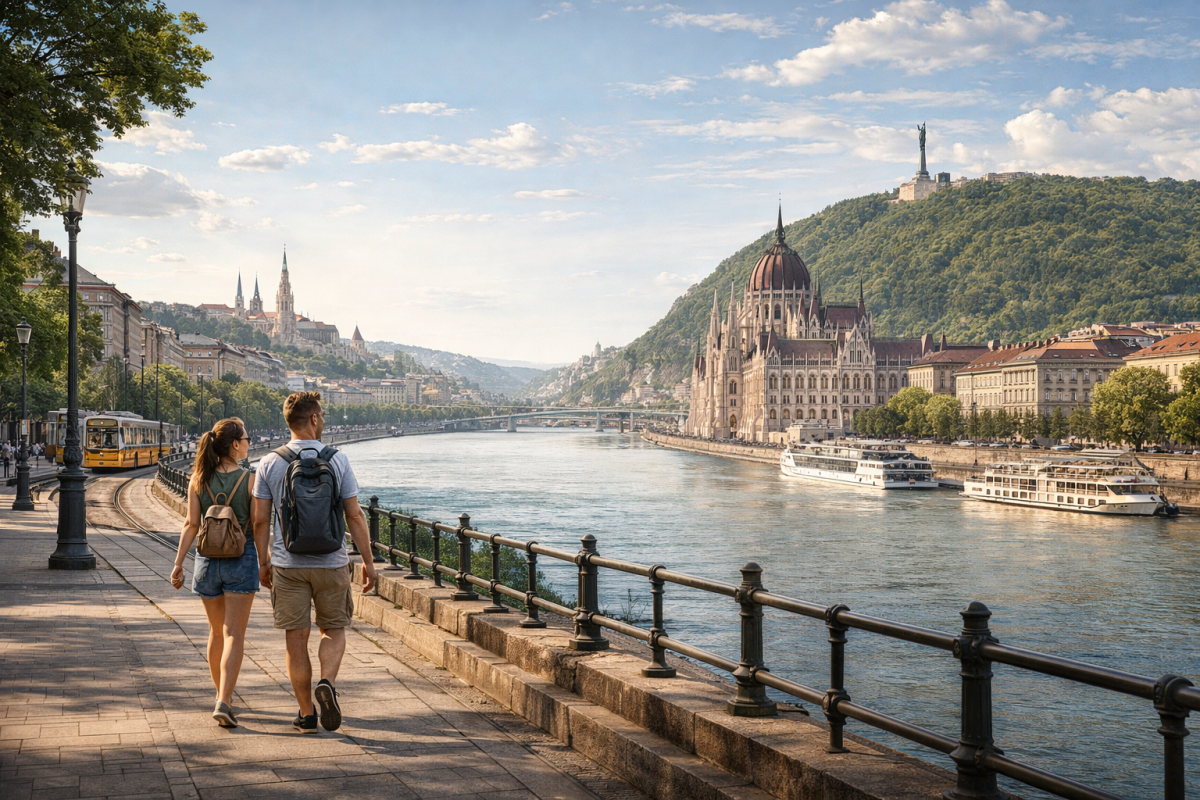
If Budapest were a movie, the Danube would be the lead actor. Walking along the riverbank is arguably the single best free activity in the city. The path is flat, scenic, and offers postcard-level views at every turn.

As you stroll, you’ll see the Parliament building (which looks like a giant Gothic wedding cake), the iconic Chain Bridge, and the Buda Castle perched across the water. It’s the kind of walk where your phone battery will likely die from taking too many photos long before your legs get tired.

See Budapest Illuminated at Night

Budapest by day is beautiful, but Budapest at night is a free open-air light show. Around sunset, the city flips a switch, and the Parliament, the bridges, and the Castle are bathed in golden light.

You will see dozens of flyers for “Illuminated Night Tours” or “Glow Walks.” While those guides are lovely people, they are showing you things that are perfectly visible for €0 just by using your eyes. Grab a coat, head to the river, and enjoy the glitter.

Walk Up Gellért Hill

If you want the “I’m the king of the world” view, you have to work for it. Walking up Gellért Hill is free, slightly sweaty, and completely worth it.

Halfway up, as you’re huffing and puffing, you might briefly question your life choices or wonder why you didn’t just stay in a cafe. But once you reach the Citadel and see the entire city splayed out below you—the Danube snaking between the two sides of the city—that mild regret vanishes. Pro tip: Go for sunset. It’s the best show in town, and there’s no cover charge.


2. Museums: How Budapest Compares to Other Cities

When it comes to culture, every city has its own “vibe” regarding entrance fees.

Take Madrid, for example. Even world-famous institutions like the Prado have very specific, limited free hours, requiring you to time your visit like a military operation to save a few Euros.

London is the gold standard for budget culture lovers. Many of the biggest museums in London, including the British Museum, are free every day, allowing you to see world-class artifacts without ever opening your wallet.

So, where does Budapest fit in?

The honest reality check: Budapest museums are generally not free every day. However, they are far from “expensive” by Western standards, and there are real opportunities to visit for free if you are savvy.

How to Get Into Budapest Museums for Free

  • National Holidays: On Hungarian national holidays (March 15, August 20, and October 23), most major museums—including the Hungarian National Museum and the Museum of Fine Arts—offer free entry to everyone.
  • EU Citizens: If you are an EU citizen under the age of 26 (or a parent accompanying a child under 18), many museums offer free entry on the third or fourth Saturday/Sunday of the month. Always check the specific museum’s website for the current “Free Sunday” schedule.
  • Commemorative Days: Occasionally, museums open their doors for free on days like the “Night of the Museums” in June (though this often requires a small-fee wristband for all-access).

3. The Magic of Christmas Markets (The Free Sensory Experience)

If you happen to visit during the winter months, you’re in for a treat that costs exactly zero forints to experience. The Budapest Christmas markets at Vörösmarty Square and by the St. Stephen’s Basilica are legendary. You can spend hours walking through the stalls, soaking in the scent of roasted chestnuts and cinnamon, and admiring the elaborate light projections on the Basilica’s facade.

The atmosphere is absolutely free to consume, and it’s arguably some of the best festive spirit in Europe. It remains completely free… right up until you decide that you must have that handmade wooden ornament or a mug of steaming mulled wine! But even if you don’t spend a dime, the holiday illumination alone is worth the walk.


4. Not Free, but Smarter: Food & Drink Strategies

You have to eat, but you don’t have to pay “tourist prices” for the privilege.

Skip Organized Wine & Pálinka Tastings

You’ll see many ads for “Authentic Hungarian Tasting Experiences.” These often involve paying €30-€40 for three small pours of wine, a scripted story you could read on Wikipedia, and a rushed atmosphere.

The Smarter Option: Go to a local supermarket or a wine shop like Bortársaság. Buy a couple of bottles of high-quality Tokaji or Villányi wine for €10 each. Head back to your accommodation or find a nice spot on Margaret Island. You’ll drink more, pay significantly less, and you can enjoy it at your own pace without a guide staring at you waiting for his tip.

Cheese, Bread, and the Market Strategy

Instead of eating every meal in a restaurant with a laminated menu in six languages, head to the Great Market Hall or a local Csemege (delicatessen).

Buy some local smoked cheeses, fresh crusty bread, and Hungarian sausages (Kolbász). This becomes a self-guided, gourmet tasting experience for about half the price of a mediocre tourist lunch. Plus, people-watching in the market is altijd free.


5. The Danube Cruise… Without the Fancy Stuff

The Danube cruise is the “must-do” activity in Budapest. Many companies will try to sell you a “Premium Buffet Dinner & Operetta Show Cruise” for €60+.

Unless you are celebrating a 50th wedding anniversary and really love lukewarm buffet goulash, skip the expensive extras. You can get the exact same river views on a simple sightseeing cruise for a fraction of the price. Or better yet, use the public transport ferry (if available during your visit) for the price of a single ticket. Eat and drink on land later—the food will be better.


6. Walk Instead of Paying for Transport

Budapest is an incredibly walkable city. Most major attractions are clustered in a way that makes public transport optional, not mandatory.

As we’ve discussed in our guide for normal human legs, walking reveals the “hidden” Budapest—the crumbling courtyards, the street art, and the tiny bakeries—that you miss when you’re underground in a metro carriage or zipping by in a taxi.

Save the transport money for a soak in the thermal baths (which is one of the few things definitely worth paying for).


7. Extra Free & Cheap Tips

  • Margaret Island: This is the city’s green lung. It’s free to enter, features a “musical fountain” that puts on a show every hour, and is the perfect place for a cheap picnic.
  • Ruin Bars: Entering a Ruin Bar like Szimpla Kert costs nothing. You can walk through, admire the crazy decor (it’s basically a free art installation made of junk), and leave without buying a drink if you’re just there for the vibes.
  • Religious Architecture: While St. Stephen’s Basilica now has an entry fee for tourists, many smaller, equally beautiful churches are free to enter for a quiet moment of reflection.

Conclusion: Free Doesn’t Mean Boring

Budapest is a city that rewards curiosity, not just big budgets. Some of the most profound moments you’ll have—watching the sun dip behind the Matthias Church or feeling the mist of the Danube on your face—don’t come with a barcode or a ticket stub.

Money is better spent on meaningful memories, a great meal, or a relaxing spa day than on “convenience” items like bottled water or overpriced guided “illuminated” walks. Budapest is an open book; you just have to be willing to walk the pages yourself.
Is It Easy to Explore Budapest on Foot? An Honest Guide for Normal Human Legs

So, you’ve booked your tickets to the Hungarian capital. You’ve seen the photos of the Parliament glowing like a golden palace, the massive bridges stretching across the Danube, and the hills rising over the Buda side. But as you look at the map, a tiny, nervous voice in your head asks: “Am I going to need a bionic knee replacement by day three?”

It’s a valid concern. When we travel, we often fluctuate between “Olympic athlete” energy on the first morning and “please leave me here to die on this bench” energy by the second afternoon. If you are wondering about exploring Budapest walking, you’ve come to the right place. This is a guide for people with normal human legs—not marathon runners, not mountain goats, just people who want to see beautiful things without their step-count becoming a form of torture.


The Big Comparison: How Walkable Is Budapest Compared to Its Neighbors?

Many travelers treat Central Europe like a beautiful, historical triathlon, hitting Krakow, Prague, and Budapest in one go. Naturally, we start comparing them.

If you’re coming from Poland, you might be spoiled. Krakow’s Old Town is famously compact and easy to explore on foot, where everything feels like it’s just five minutes away from a pierogi shop. It’s the ultimate “low-effort, high-reward” walking city.

Then there’s Prague. Prague’s Old Town is bigger than Krakow’s, but it’s still very manageable. Even the iconic trek across Charles Bridge and up toward the castle is the kind of walk that feels like a fairy tale, even if your calves feel a little tight by the time you reach the top.

But what about Budapest?

To be honest, Budapest is the “big brother” of the group. It is more spread out than Krakow and wider than Prague. However—and this is the important part—Budapest on foot is still very much a reality. It isn’t a sprawling concrete jungle like London or Paris where you must descend into the subway every twenty minutes. It’s a city designed for strolling; you just need to know how the distances work.


Is Budapest Actually Walkable?

The short answer is: Yes, absolutely.

The slightly longer answer is: It’s walkable, but it’s structured in layers. Unlike Krakow, where everything orbits one central square, Budapest is a collection of grand avenues and riverside promenades. While the city feels “big” because of the massive architecture, the actual distances between the major sights are surprisingly reasonable for anyone with average fitness and non-tragic footwear.

If you have a decent pair of sneakers and a willingness to stop for the occasional coffee or chimney cake, you can see 80% of the main attractions without ever stepping foot on a bus.


The “Longest” Walk You’ll Probably Do

When people look at a map of the Pest side (the flat side), they often get intimidated by the distance between City Park (Városliget) / Heroes’ Square and the Danube river area. It looks like a trek across a continent on a small screen.

In reality, this distance is around 2.5 to 3 kilometers at most. For a normal human, that’s about a 35–45 minute walk.

Here is why that isn’t a marathon:

  • The Scenery Factor: You aren’t walking past industrial warehouses; you’re walking down Andrássy Avenue, a UNESCO World Heritage site. You’ll pass the Opera House, beautiful mansions, and quirky cafes.
  • The Coffee Strategy: There are approximately ten billion places to sit down.
  • The Flatness: Pest is as flat as a pancake. There is zero incline on this route, making it a very low-impact way of exploring Budapest walking.

Actually, walking this route usually feels shorter than it is because your brain is too busy looking at the architecture to notice that your legs are moving.


The Danube: Where Your Phone Battery Dies Before Your Legs Do

If there is one place where walkable Budapest truly shines, it’s the banks of the Danube. Walking along the river is, without exaggeration, one of the most scenic urban walks in all of Europe.

Whether you are on the Pest side looking at the Buda Castle, or on the Buda side looking at the Parliament, the views are distracting in the best way possible. You’ll wander past the Shoes on the Danube Bank memorial, stroll under the Chain Bridge, and admire the tram lines rattling past.

This is the kind of walking where you forget about the distance. You’ll look at your fitness tracker at the end of the day and realize you’ve walked 12 kilometers, but your memory only registers “pretty building, cool bridge, nice boat.”


Shopping Street Reality Check: Váci utca

Then we have the famous shopping stretch between Vörösmarty Square and the Great Market Hall (Váci utca). For a normal tourist, this is a delightful, pedestrian-only stroll. It’s easy, flat, and full of life.

However, we must add a small disclaimer for husbands, partners, or friends walking next to someone who wants to enter every single shop.

If your travel companion treats every H&M, souvenir shop, and boutique like a museum that requires a 20-minute deep dive, this 1.5 km walk will transform into a test of spiritual endurance. This is where patience and strategic snack breaks become essential. Fortunately, there are plenty of places to grab a lángos or a beer while you wait outside.


The Hills: Where Budapest Makes You Sweat

We’ve established that Pest is flat and easy. But then there’s the Buda side. This is where Budapest finally asks you to put in some effort.

Gellért Hill: The Life-Choice Questioner

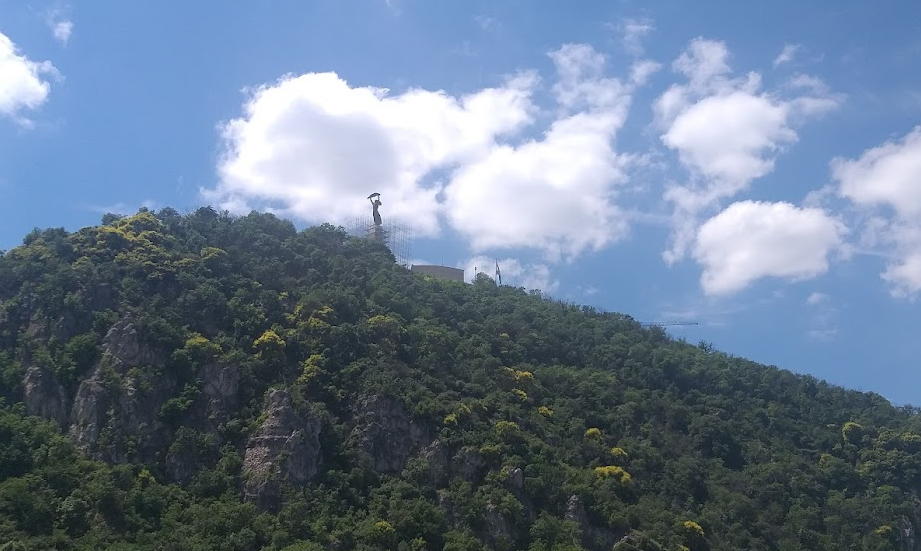
Gellért Hill is the place where you will sweat. You will likely question your life choices about halfway up. You will be profoundly grateful that you didn’t wear flip-flops. It is a steep climb, and while the paths are paved, your heart rate will definitely let you know it’s working.

The Silver Lining: The view from the top is the best in the city. Period. It’s worth every heavy breath.

Castle Hill: The Gentle Giant

Don’t let the “Hill” in the name scare you off. Compared to Gellért, Castle Hill is a breeze. The paths are gradual and winding rather than straight up. Most people find that they can walk up to the Fisherman’s Bastion and the Buda Castle without needing a nap afterward. It feels much less brutal than it looks in those dramatic drone photos.


Do You Actually Need Public Transport?

In many cities, the metro is a survival tool. In Budapest, it’s more of a “comfort upgrade.”

Because the distances in Budapest are manageable, you can walk almost everywhere. You only really need the tram or the metro when:

  1. Your legs are genuinely tired after 15,000 steps.
  2. It’s raining cats and dogs.
  3. You want to experience the M1 (the yellow line), which is the second oldest underground in the world and incredibly cute (it feels like riding a Victorian tin toy).

The trams (especially line 2 along the river) are great, but they aren’t a necessity to get from point A to point B.


Shoes, Expectations, and Common Sense

To ensure your feet remain your friends, let’s talk logistics:

  • Comfort over Fashion: Budapest has a lot of cobblestones. This is not the place to “break in” brand-new leather boots or walk 10 miles in thin ballet flats. Wear something with a bit of cushion.
  • Hydrate like a Pro: As we’ve mentioned in other guides, the tap water is safe. Keep a bottle in your bag and refill it.
  • The “Civilized Human” Break: Don’t try to do the whole city in one go. Budapest is famous for its cafe culture for a reason. Sit down, have a coffee, watch the people, and let your feet recover for twenty minutes every few hours.

Final Verdict: Will Budapest Destroy Your Feet?

Absolutely not. Budapest is a rewarding, gorgeous, and surprisingly accessible city. While it is more spread out than the tiny medieval centers of Krakow or Prague, the flatness of the Pest side and the sheer beauty of the Danube promenade make the distances feel like a pleasure rather than a chore.

The only place that deserves your mild respect and a bit of deep breathing is Gellért Hill. Everything else is a walk in the park—literally and figuratively.

Budapest will challenge your camera’s storage space and your phone’s battery life, but it won’t challenge your knees. Tie your laces, grab your map, and get out there. Your legs will be just fine.

Would you like me to help you plan a specific walking route that hits the best sights in under 10,000 steps?

Pictures from Budapest during the coronavirus!

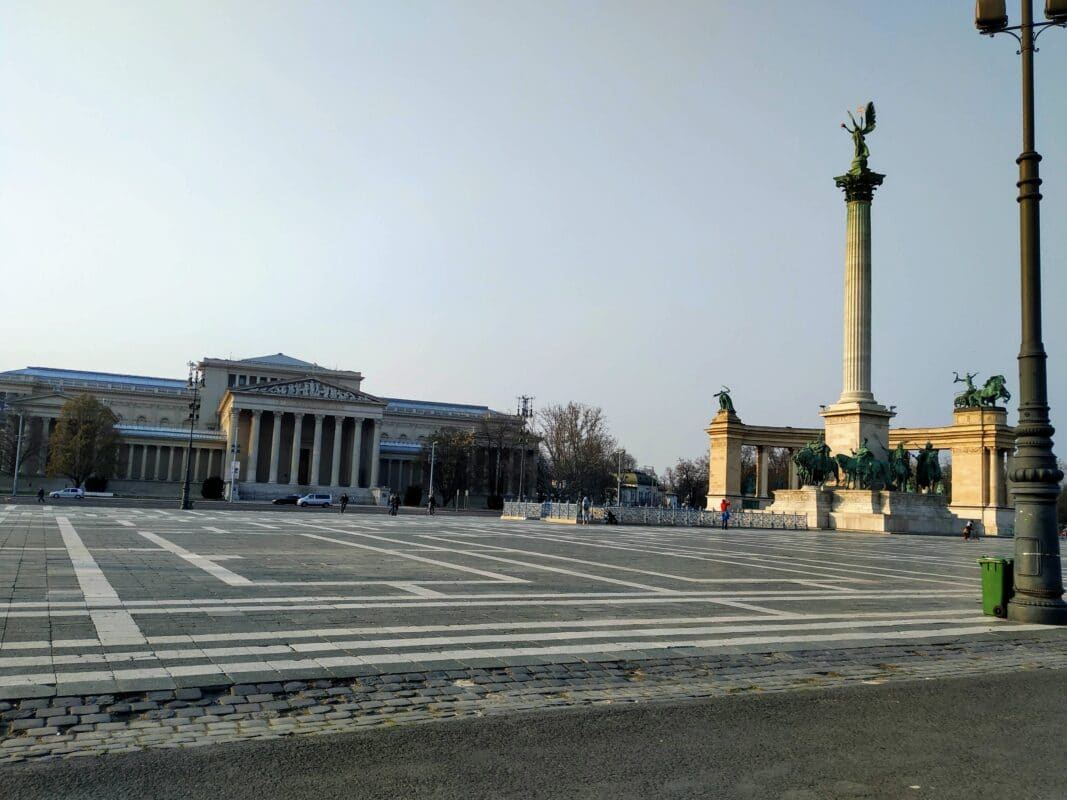
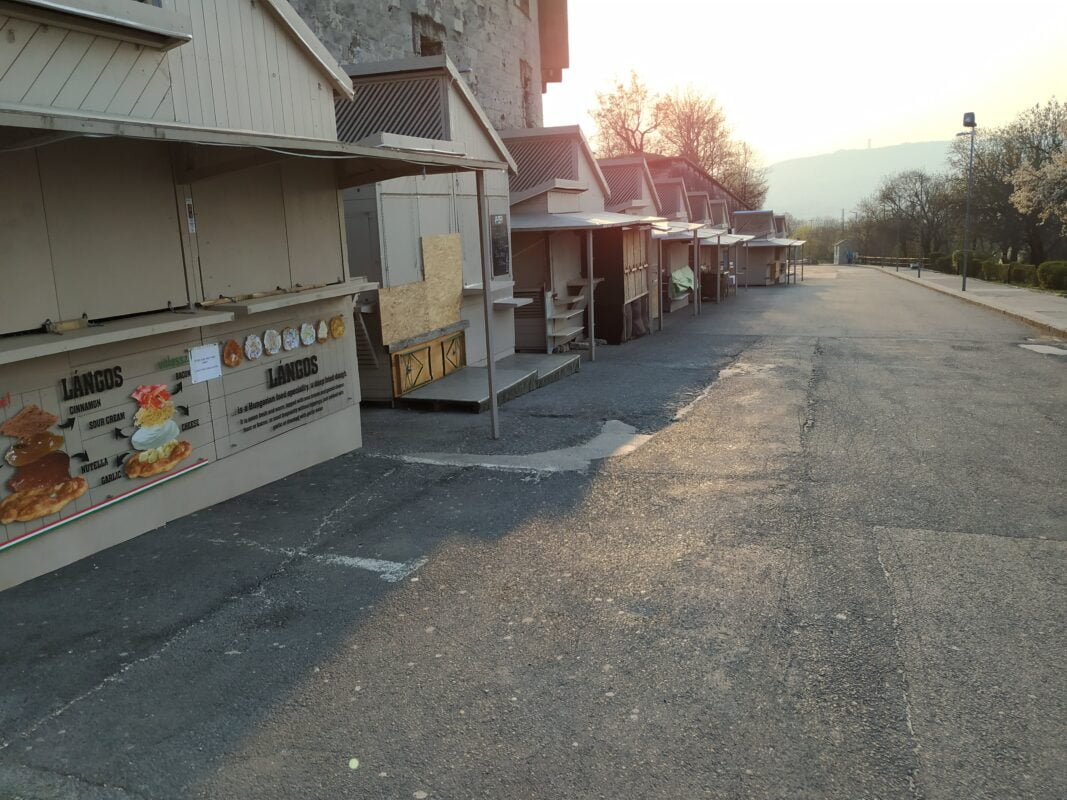
Hungary is in nationwide quarantine. People can go for a walk, but they need to keep a 2m distance to other people. They can go to work and they can purchase groceries and medicines. But, with most people staying inside all day, and no tourists in Budapest, the streets are almost empty.

We visited some of the most popular tourist locations in Budapest to see what they look like during the coronavirus quarantine. Here you can see the pictures we made during our little excursion.

Coronavirus pictures from Budapest

Budapest
The Heroes square – almost entirely empty
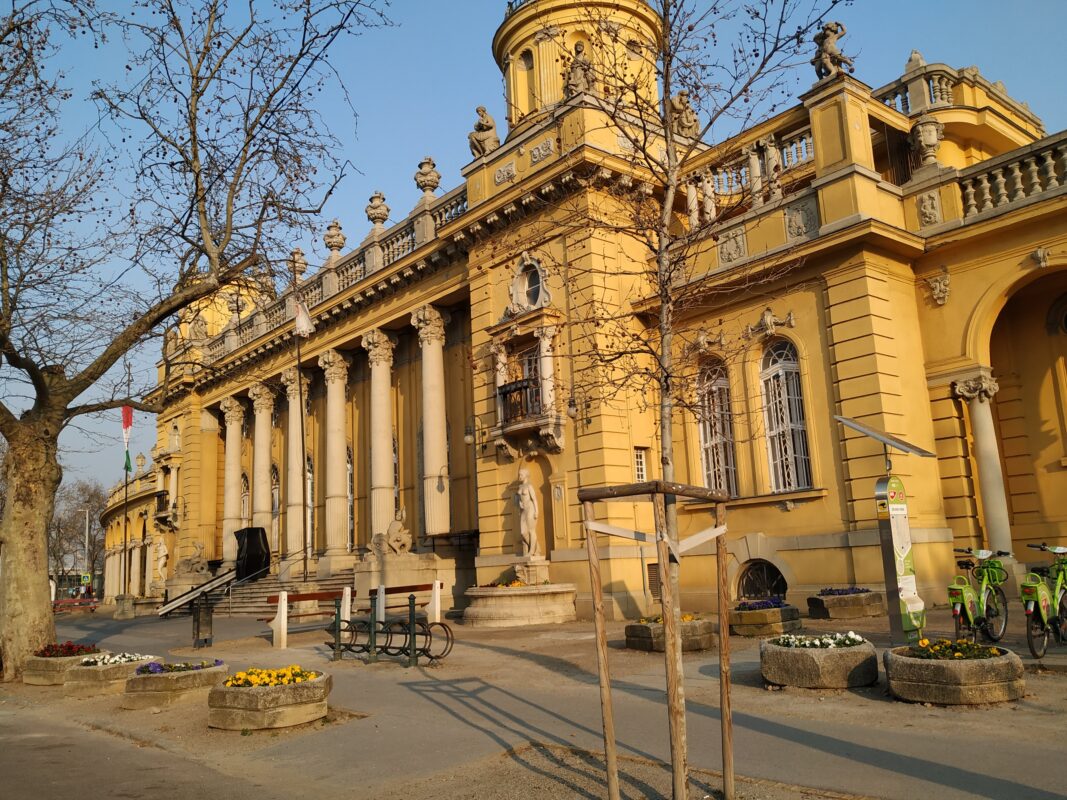
Szechenyi Budapest
The Szechenyi thermal bath is closed.
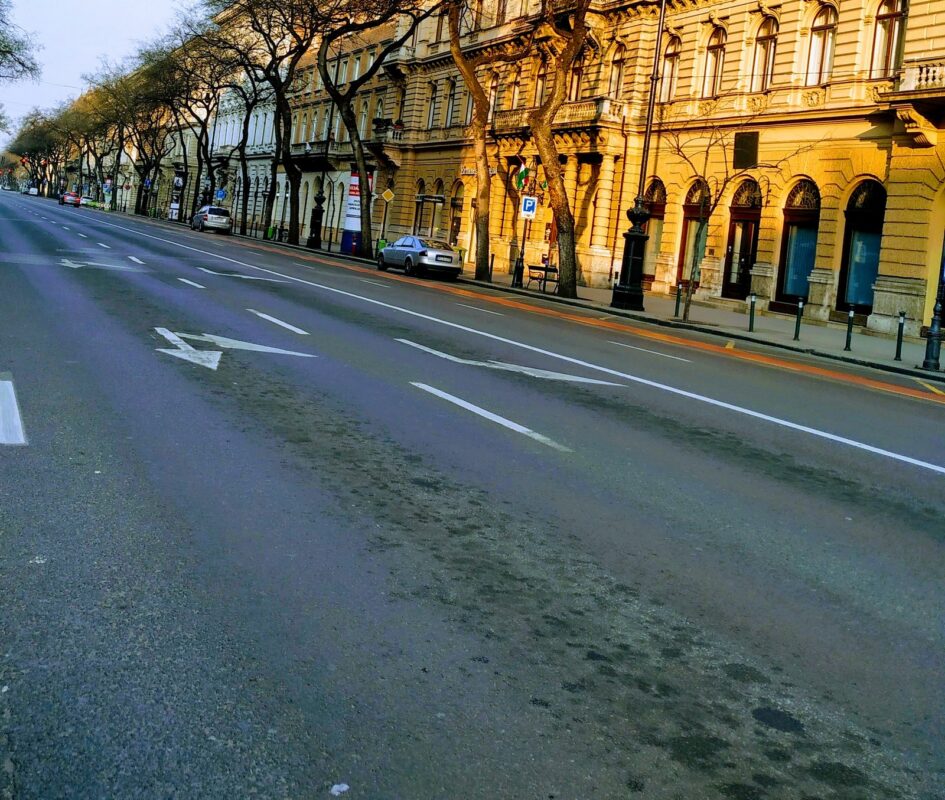
Andrassy Budapest
The Andrassy út in Budapest
The Fishermen's bastion in Budapest
The Fishermen’s bastion in Budapest
Gellert hill Budapest
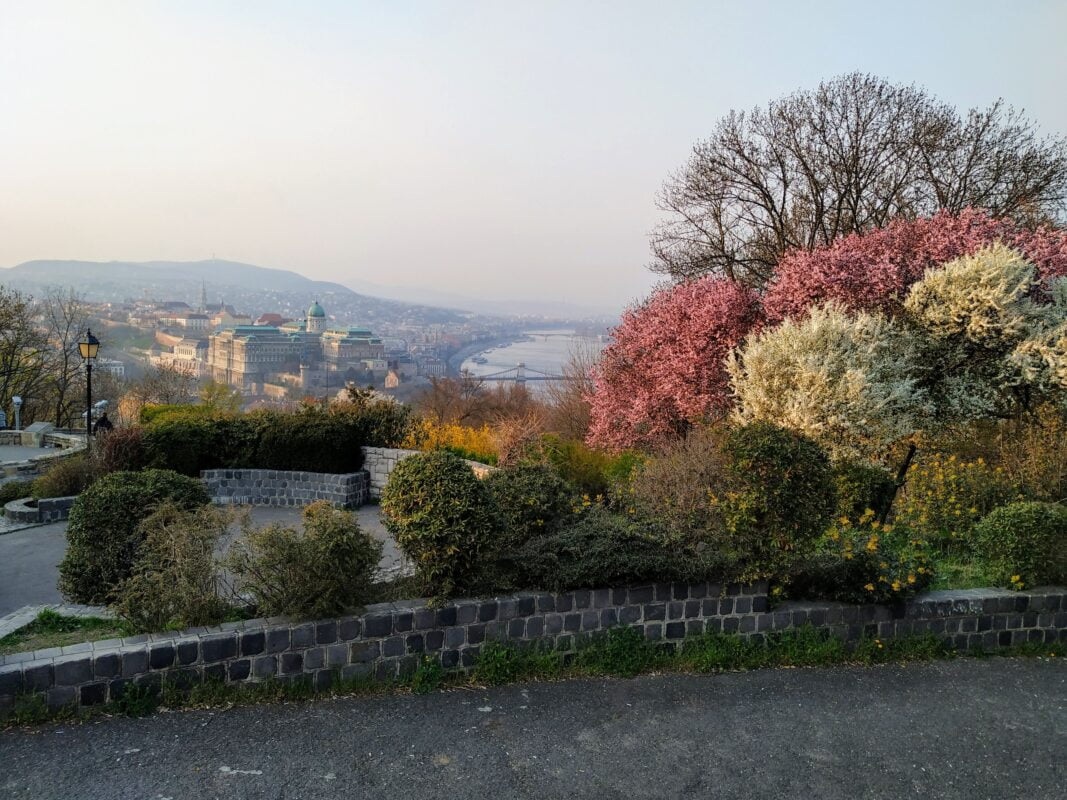
Beautiful spring colors in Budapest
Gellert hill
The Gellert hill is almost empty
The view is still amazing at the Gellert Hill

We hope these images will cheer you up! We hope for the coronavirus to disappear as quickly as possible, and once again make it possible to visit Budapest!

If you want to get the latest news about the coronavirus in Budapest and Hungary, click the link.

Still sunshine in Budapest

The sun is still shining in Budapest and October has so far been a great month to visit Budapest.

A general advice is though to bring warm clothes as the wind can feel extremely cold, even when the sun is shining. And as the sun goes down it can get and feel really cold.

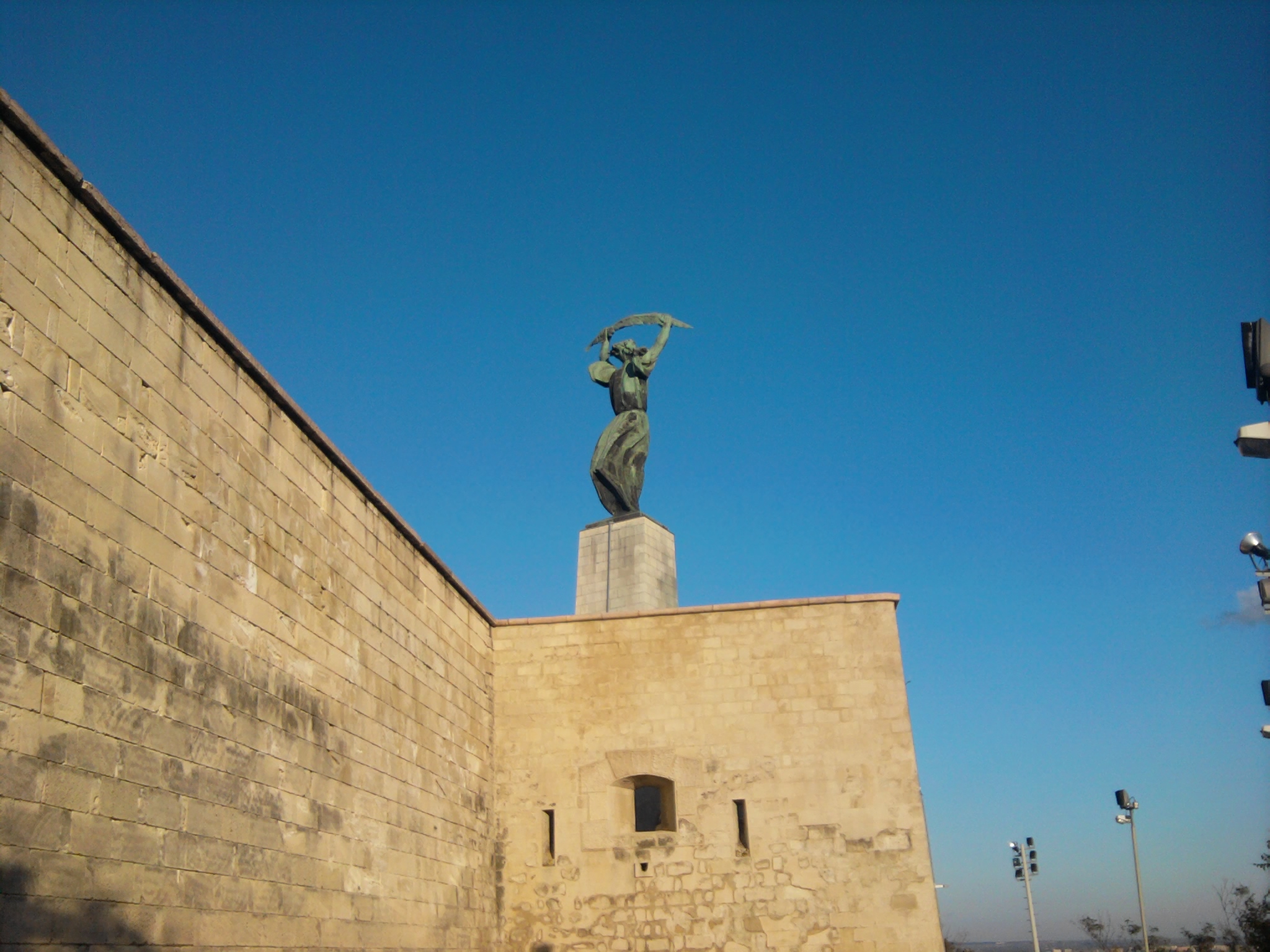
One of the coldest places on a windy day is the Gellert Hill and beneath this text you can see a picture from the liberty monument there.

Pictures taken from Gellert Hill (by night)

Earlier this week we had a guided tour with a nice group of dutch people, and we reached the Gellert Hill by around 6.30. It was still quite bright, and no lights were turned on in Budapest. But then, around 6.50 the city turned into another one, almost like magic! The lights were turned on, and Budapest as we all love it became a reality. Below you can see some of the pictures we made.