The story of Central European tourism over the last six years has been one of dramatic peaks, devastating valleys, and a recovery so aggressive it has caught many industry experts by surprise. For Budapest, the “Pearl of the Danube,” the journey from the record-breaking heights of 2019 through the silence of the pandemic to the current operational realities of 2025 reveals a city that has not only recovered but is fundamentally reinventing its role as a regional powerhouse.
As we look at the data today, the question is no longer “When will tourism return?” but rather “How will the city manage this unprecedented influx?” With neighboring Vienna reporting that 2025 was its busiest year in history, all eyes are on Budapest to see if it has kept pace with its imperial rival.
The 2019 Golden Era: A High-Water Mark
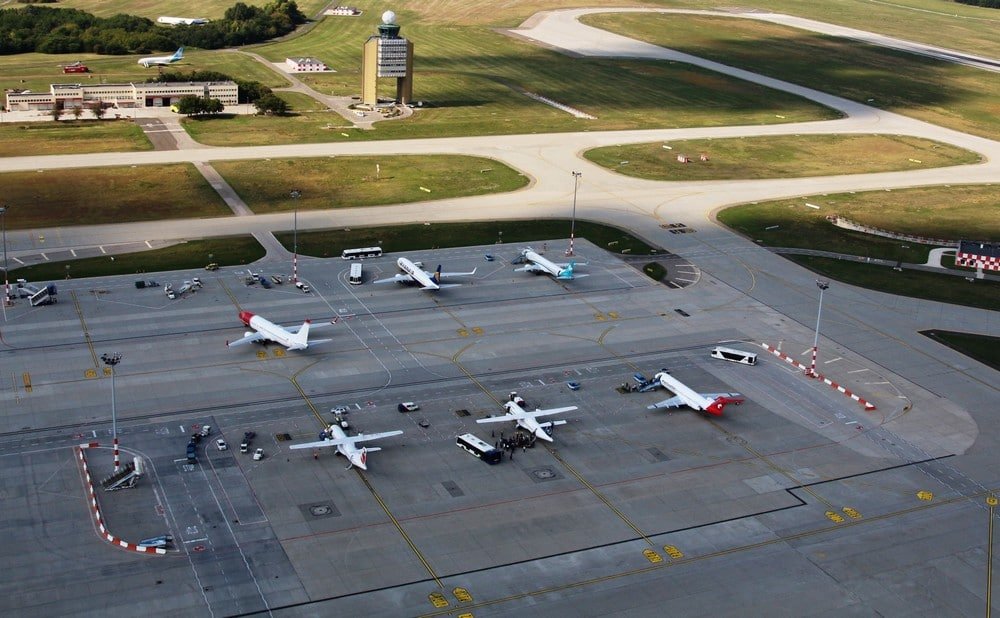
To understand the current boom, we must first look at the pre-pandemic landscape. In 2019, Budapest Ferenc Liszt International Airport (BUD) was on an unstoppable trajectory. It was the year of “over-tourism” headlines, with the airport handling a record 16.2 million passengers.
At that time, Budapest had solidified its reputation as the ultimate value-for-money destination in Europe. Travelers flocked to the city to walk along the UNESCO-listed banks of the Danube, indulge in Michelin-starred dining overlooking the river, and explore the burgeoning ruin bar scene. It was a year of unbridled growth, where the only concern was whether the city’s infrastructure could hold the weight of its own success. Then, the world stopped.
The 2024–2025 Recovery: Breaking the 2019 Ceiling
The “lost years” of 2020–2022 saw passenger numbers plummet, but the rebound that began in late 2023 reached a fever pitch in 2024. By the end of 2024, Budapest had successfully clawed back to its pre-pandemic volume, ending the year with approximately 16.2 million passengers—matching the 2019 record almost to the person.
However, it is the 2025 data that has truly rewritten the record books. While 2019 was a peak, 2025 has become a new plateau. Current projections and year-to-date figures show that Budapest has shattered the 17-million barrier, heading toward 18.5 million passengers by year-end.
Passenger Traffic Comparison: Budapest Airport (BUD)
| Year | Total Passengers | Year-over-Year Change | Status |
|---|---|---|---|
| 2019 | 16,173,489 | +8.8% | Pre-COVID Record |
| 2024 | ~16,200,000 | +10.2% | Full Recovery |
| 2025 (Est.) | 18,500,000 | +14.2% | All-Time Record |
Is Tourism Booming Again?
The numbers provide an emphatic “yes,” but the nature of the boom has changed. In 2019, growth was heavily driven by Western European city-breakers looking for cheap beer and nightlife. In 2025, the demographics have shifted toward a more diverse and higher-spending traveler.
People are still coming to Budapest for the classic experiences—to walk the Chain Bridge or have a meal at the Danube—but there is a sophisticated new layer to the tourism scene. There is a massive surge in interest regarding Hungarian viticulture; experts suggest that visitors are increasingly coming specifically to taste the six iconic wines of Hungary, moving the city away from its “party capital” image and toward a “culinary destination” status.
What is Driving the Trend?
Several factors explain why Budapest is currently outperforming its 2019 self:
- The Connectivity Surge: Following the pandemic, Budapest Airport aggressively courted long-haul carriers. 2025 has seen an increase in direct flights from China, the Middle East, and North America. Budapest is no longer just a destination; it is becoming a transfer hub for travelers moving between Asia and Central Europe.
- Major Events: The completion of the MVM Dome and the National Athletics Centre has allowed Budapest to host massive international events that weren’t on the calendar in 2019. Each major concert or sporting event brings a surge of 50,000+ passengers in a single weekend.
- The “Schengen-Plus” Appeal: As security and stability become higher priorities for global travelers, Budapest is perceived as one of the safest and most stable capitals in Europe, drawing traffic away from other traditional Western European hubs.
Infrastructure: The New Terminal and Future Growth
The current boom has pushed Terminal 2A and 2B to their absolute limits. The rumors of expansion are no longer just whispers; they are official policy. To handle the projected 25 million annual passengers expected by 2030, the airport is moving forward with the reopening of Terminal 1 for low-cost carriers and the massive development of Terminal 3.
This new infrastructure will be a “smart terminal,” utilizing biometric boarding and high-speed rail links to the city center. This expansion is essential because, as the 2025 numbers show, the demand for Budapest is currently growing faster than the airport’s physical capacity.
Navigating the Influx: Airport Transfers
With the airport reaching record capacity, the arrival experience can be overwhelming. The taxi queues at the airport have grown alongside the passenger numbers, making pre-booked transportation more of a necessity than a luxury in 2025.
For those arriving at Liszt Ferenc International and looking for a seamless start to their trip, a private driver is often the most efficient choice. You can find detailed information on Budapest airport transfer prices and private bookings to avoid the crowds at the arrivals hall.
The Verdict: Budapest vs. The Region
Is Budapest fading in the shadow of Vienna? Quite the opposite. While Vienna remains the “corporate” gateway to the region, Budapest has positioned itself as the “lifestyle” gateway. The 14% growth rate seen in 2025 suggests that Budapest is actually capturing a larger share of the “leisure and luxury” market than it did in 2019.
The city is no longer just recovering; it is thriving in a new era of tourism. Whether it is the lure of a sunset cruise on the Danube, the world-class shopping on Andrássy Avenue, or the complex flavors of a glass of Tokaji, Budapest has proven that its appeal is pandemic-proof. As we look toward 2026, the numbers suggest that the “Pearl of the Danube” is only just beginning its newest and most successful chapter.