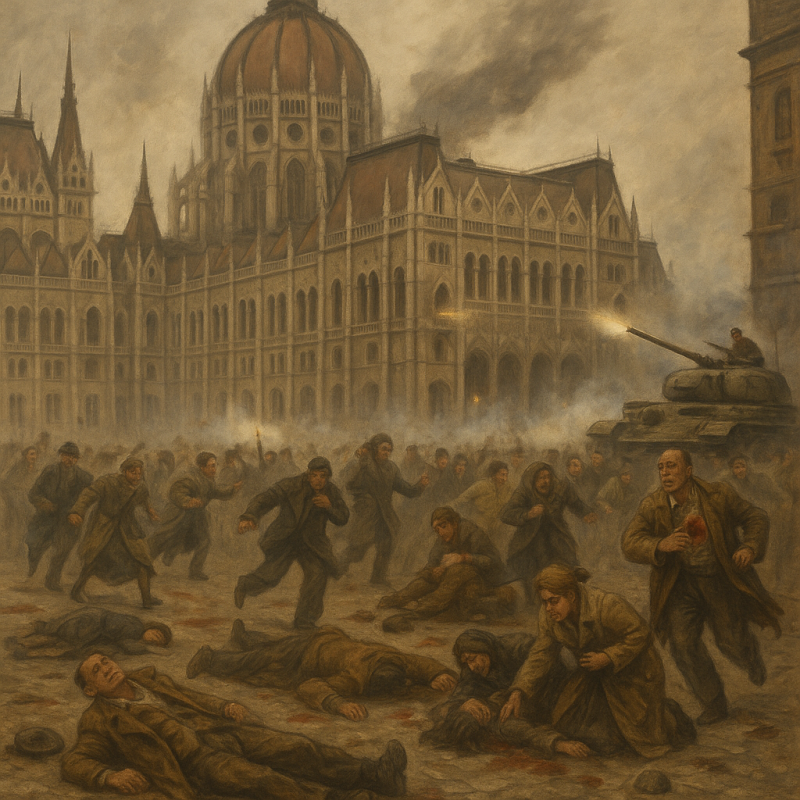
On October 25, 1956, Kossuth Lajos Square in Budapest was filled with people who believed history was on their side. Just days earlier, the Hungarian Revolution had erupted, fueled by demands for freedom, democracy, and an end to Soviet domination. Thousands of men, women, and children gathered in front of the Parliament building — a place that symbolized the nation’s hopes. But instead of witnessing freedom’s dawn, they faced one of the darkest tragedies in modern Hungarian history: the Kossuth Square massacre.
Why were so many people at Kossuth Square?
The Hungarian Revolution of 1956 began on October 23 with massive demonstrations across the country. People demanded the withdrawal of Soviet troops, free elections, and greater independence from Moscow. On the morning of October 25, tens of thousands flocked to the Parliament to show their support for the movement. They believed negotiations between the new government and Soviet representatives were underway inside the building. The atmosphere was charged with hope — and expectation.
Who started the shooting?
This remains one of the most controversial and painful questions. Eyewitnesses reported that machine gun fire suddenly erupted from rooftops and surrounding buildings, cutting into the dense crowd. Some survivors blamed Soviet soldiers stationed nearby. Others accused the Hungarian State Protection Authority (ÁVH), the dreaded secret police, of deliberately provoking chaos. The exact responsibility has never been fully clarified, but what is certain is that unarmed civilians were deliberately targeted.
How many shooters were there?
Again, accounts vary. Witnesses spoke of multiple firing points: from the rooftop of the Ministry of Agriculture, from armored vehicles on the square, and even from the windows of surrounding buildings. What unites these testimonies is the horror of being trapped in an open square while bullets rained down from several directions.
How did the massacre unfold?
For minutes that felt like eternity, chaos engulfed the square. People tried to flee, but with the Parliament behind them and machine gun fire cutting through the crowd, escape was almost impossible. Survivors described the scene as pure panic: children screaming, wounded trampled, and families torn apart in seconds.
How many people were killed?
The numbers remain disputed. Official communist accounts minimized the death toll, while survivors and historians insist the real figure was far higher. Most estimates suggest hundreds were killed and many more wounded — making it one of the bloodiest single events of the 1956 Revolution.
Why did the shooting happen at all?
Some believe it was a deliberate provocation by the ÁVH and Soviet forces to justify cracking down on the revolution. Others argue it was confusion — nervous soldiers, fearing an uprising, opened fire without orders. Regardless of intent, the massacre transformed the revolution: hope turned into rage, and peaceful demands gave way to armed resistance.
What happened afterward?
In the days following the massacre, Budapest descended further into violence. Resistance groups armed themselves, and Soviet troops temporarily pulled back before returning in force on November 4 to crush the revolution. The memory of October 25 lived on in silence during the communist decades that followed — only after 1989 could the truth begin to be openly discussed.
Why do we remember Kossuth Square today?
Because it is a stark reminder that freedom often comes at the highest price. Like the Dam Square shooting in Amsterdam in May 1945, the Kossuth Square massacre shows how celebrations of hope and liberation can turn, in an instant, into scenes of horror. Both events left deep scars on national memory, teaching future generations about the fragility of peace.
Every year on October 25, Hungarians gather at Kossuth Square to honor the victims, laying flowers and lighting candles in remembrance.
History lives not only in textbooks but also in the very streets and squares where these events unfolded. From Budapest to Amsterdam, tragedies like these remind us of both the cost of freedom and the resilience of people who, even in the face of violence, refused to give up their hopes.
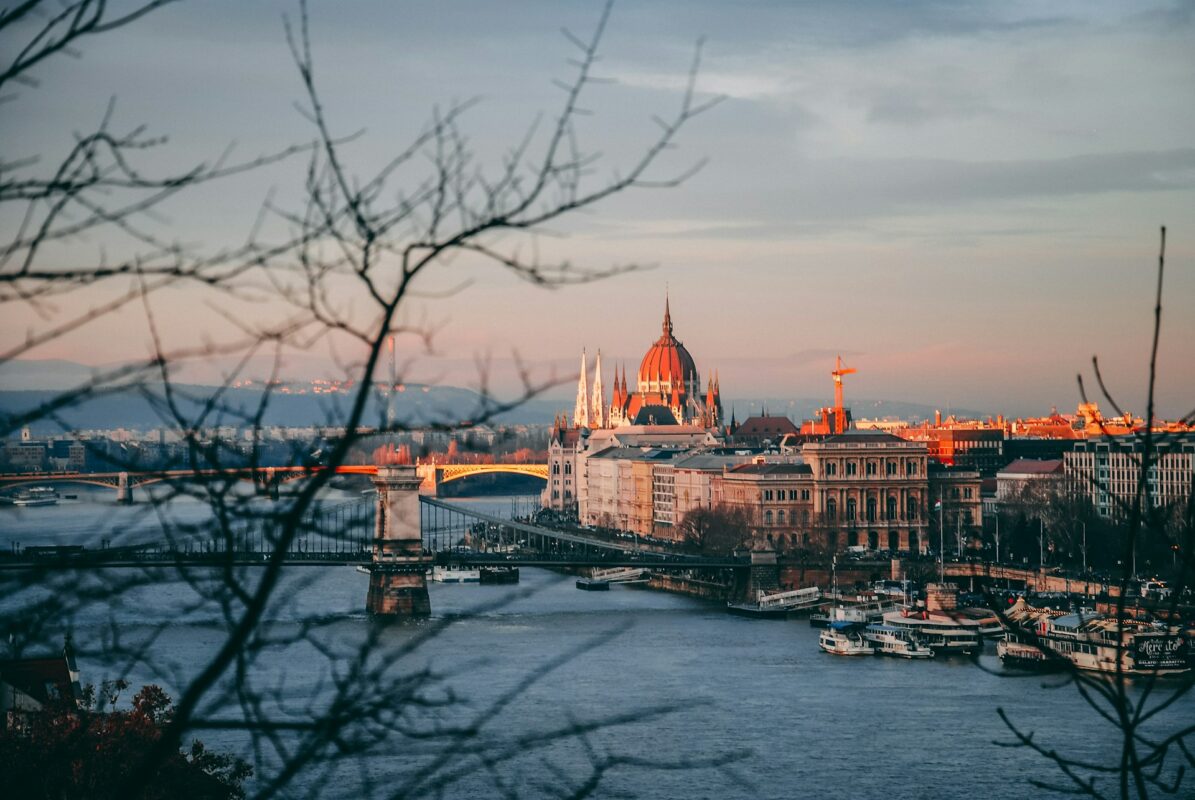
Many people who come to Hungary have heard about Budapest and somehow believe that the Hungarian capital is all the country has to offer. That is a big mistake, and in this article, we would like to give you some great tips that will help you not only explore the surroundings of Budapest by car but also discover the entire city of Budapest in ways that would be much harder unless you sit behind the steering wheel of a car.
The city of Budapest covers an area of 525 square kilometers, while the country of Hungary has a size of 93,030 square kilometers (similar to a country such as Portugal). Budapest is in the center of the country, which means that you can get to almost anywhere in the country within 2 1/2 hours of driving, making it easy to explore, even the most hidden spots and locations where tourists seldom place their feet.
Budapest has always been a big and important city, which means that it has big and wide streets, and it is fairly easy to drive in the city by car. The biggest problem at times might be finding a free parking lot, but there are more and more parking houses, and also several locations at which you can park your car at a very low cost near the center of Budapest. In this article, we want to share information that you will find useful as you explore Budapest and Hungary by car, some advice on the process of renting a car, and lots of tips on where you should go once you have a car available for use.
Important tips if you want to use a rental car in Budapest and Hungary.
There are several things you need to watch out for and pay attention to in the process of renting a car. The most important is that you will often get better prices if you plan ahead. Do your price research and always use car rental comparison websites, as they provide plenty of choices. Discover Cars is one we highly recommend. In addition to offering a great selection of car rental options in Budapest, the website is user-friendly and provides all the necessary information upfront. As you book your rental car early, it is also important to use a service that allows you to cancel your reservation (without you losing money) as closely as possible to the actual booking date. Even if you have heard about one special brand, keep your eyes open, compare the prices of several companies, and read reviews written by other users.
It is crucial to use a service that gives you easy access to the car. If you arrive at Budapest Airport, you should be able to pick up the car directly in the terminal building, or have a shuttle bus provided by the car rental company that will take you the short distance to where the rental car is located. You will get all the information you need to get access to your car quickly during the booking process, meaning there shouldn’t be any reason to worry!
Are you going to stay in a hotel in Budapest? Do not forget to find a hotel where you can park your car! Not all hotels offer such services, especially in the inner districts, and that might give you lots of stress and a big mess as you need to pay for parking in the street, renew your parking ticket throughout the day, and it will cost you a lot of additional money. In other words, find a hotel that offers car parking at a good price, or a hotel outside the city center where you can park your car for free. As you leave Budapest, most hotels offer parking free parking or at a very low cost.
Driving on the roads of Hungary.
Hungary has very nice highways that take you quickly in the direction of big cities such as Székesfehérvár, Györ, Debrecen, Szeged, Pécs, and Eger. If you drive even further, you can even visit the capitals of neighboring countries such as Vienna (Austria), Bratislava (Slovakia), Ljubljana (Slovenia), Zagreb (Croatia), and Belgrade (Serbia) within two to four hours. But, do not forget that you need to pay a highway fee in Hungary which you can buy for either 1 day, 10 days, 1 month, or 1 year. If you rent your car, do not forget to check if the car already has a highway vignette, or if you need to buy one yourself for the time of your car rental.
Like most of the countries in Europe, the steering wheel is on the left side in Hungarian cars, and you drive on the right side of the way. There are gas stations located frequently along highways and in cities, so it is easy to fill gas on the car if it is about to get empty. The prices are always in Hungarian Forint, and as you pay, it is always wise to pay with the local currency, because most gas stations use a very bad conversion rate for those eager to pay with Euro instead of the Hungarian Forint.
The highways of Hungary have a maximum speed limit of 130km/h, but even though you drive at this speed, you should keep to the right, as many drivers come faster and they will start blinking and drive into your “butt” if you keep left and don’t keep right to make way for those eager to drive faster in the left lane.
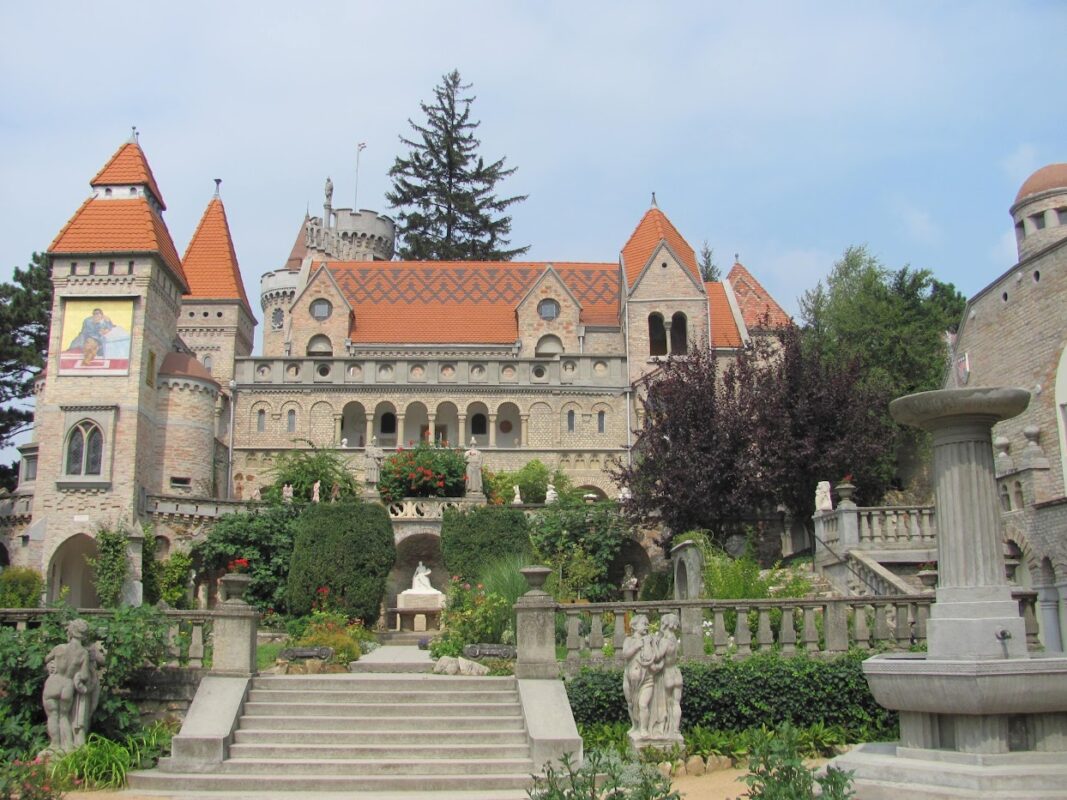
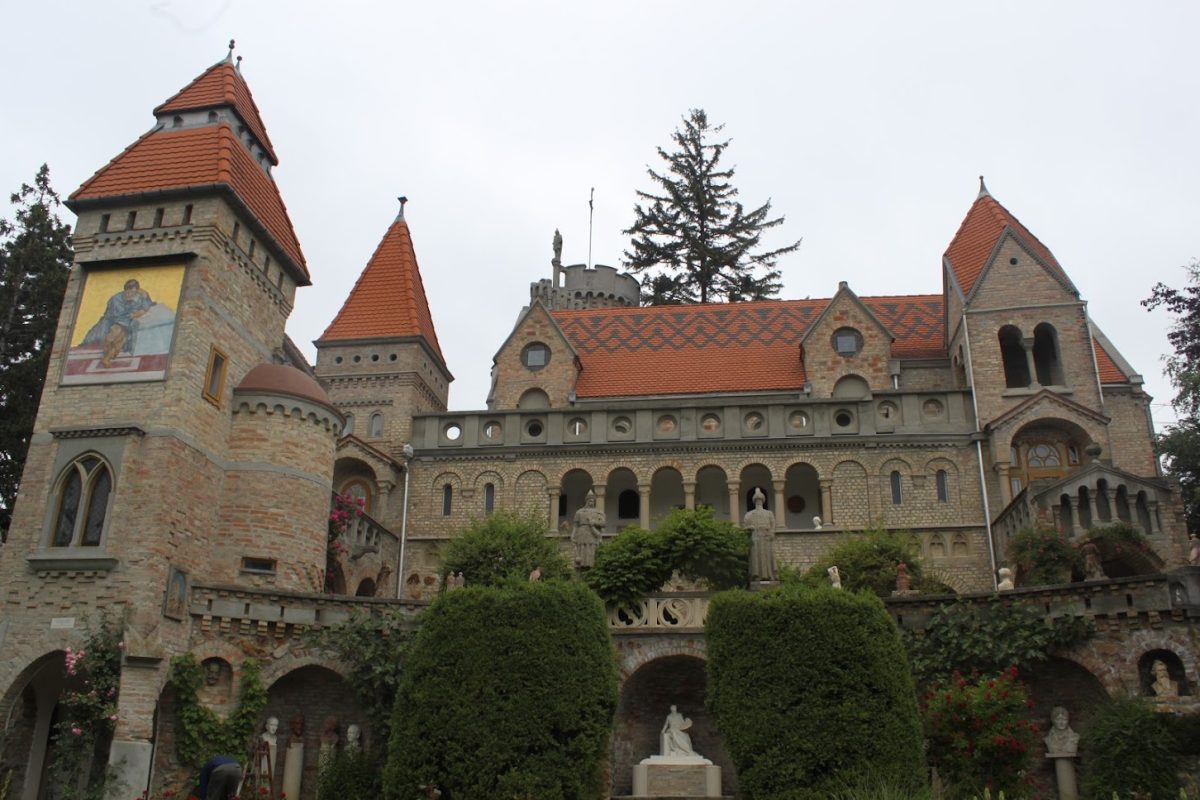
Bory castle in Székesfehérvár is a fantastic place to visit if you have a car available during your stay in Hungary.
Where to go with a car in Hungary?
You are sitting in your car ready to explore Budapest and Hungary… what next?
Some places worth visiting outside the city center of Budapest.
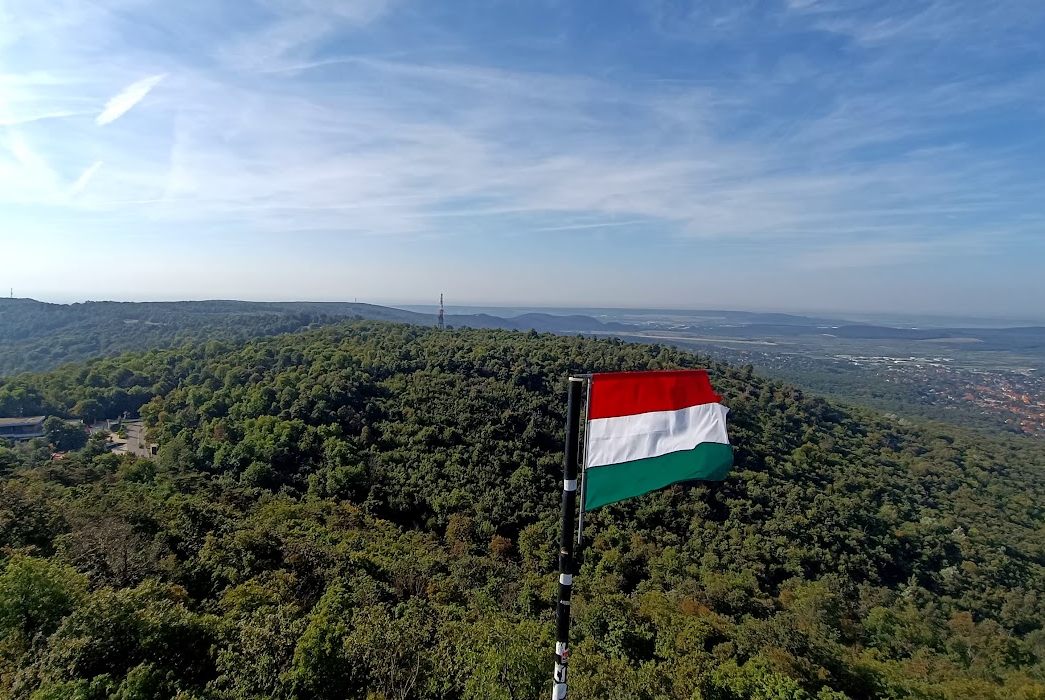
If you don’t feel like leaving the borders of Budapest at once, type Zugliget Chairlift into your GPS and drive to the popular chairlift in a beautiful green area of Budapest. Here you can walk for hours and enjoy a splendid view, and it also offers lots of places where you can park your car.
If you travel with the chairlift, and then walk some more, you can enjoy this splendid view!
Would you like to shop like the locals? Then you can drive to Budaörs, a popular area where you find Decathlon, Ikea, Auchan, Tesco, Aldi, Intersport, and many other stores. This will give you the chance to shop like a local on the outskirts of the city, instead of shopping like a tourist in the popular pedestrian street Váci utca. Do not forget that you need a vignette to visit this area if you approach it using the main highway (if you don’t have a vignette, you can tell your GPS to lead you to this location without using the highway).
This area also has some minor mountains, so if you’d rather enjoy a splendid view and some hills, then enter “Odvashegy utca” into your GPS and drive until you see a place to park your car on the right side (close to Rudolf király emlékpark). There you can leave your car and start climbing upwards immediately.
Cities and areas you should visit outside Budapest.
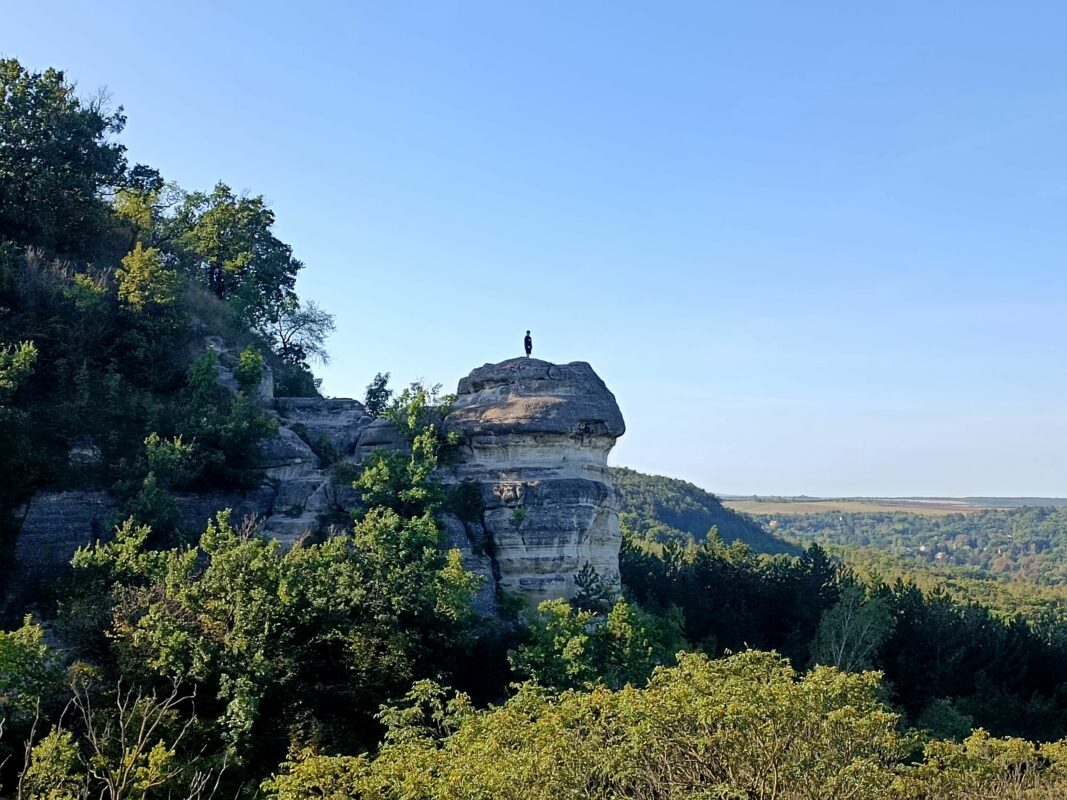
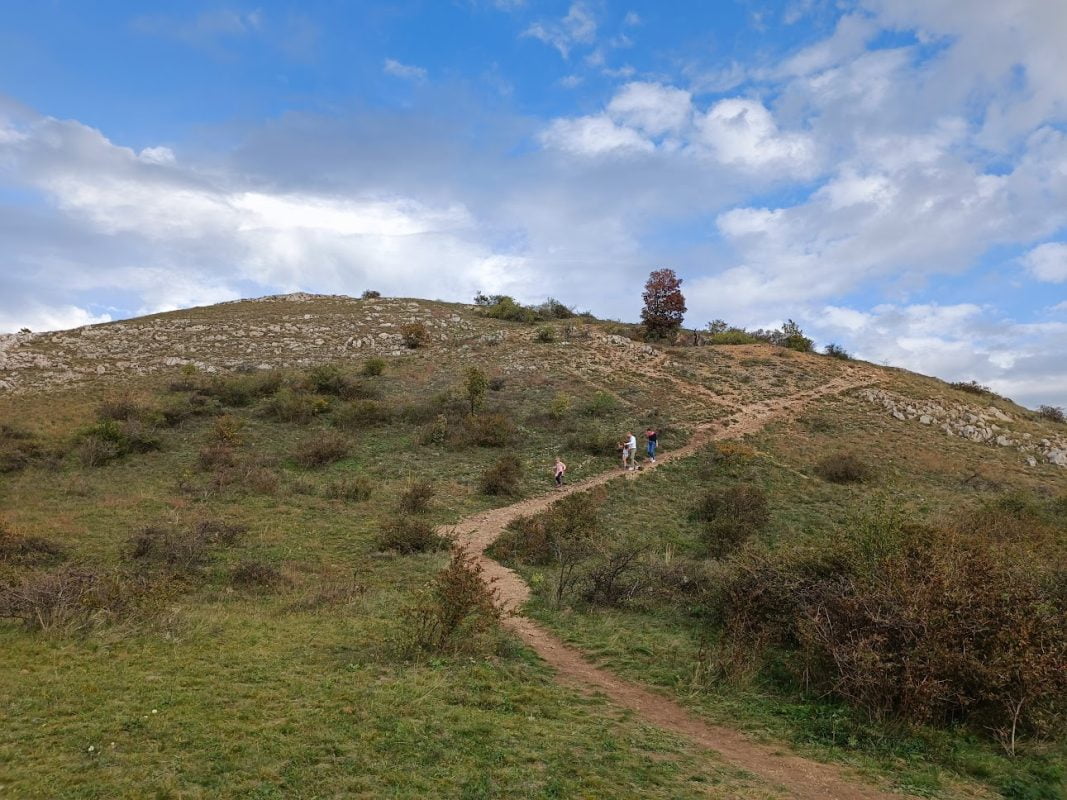
If you want to make a photo like the one you see below, you should enter “Nyakas kő alatti parkoló” into your GPS. It only takes 25-30 minutes to get there from the city center of Budapest, and it is a short walk of 15 minutes from the parking lot to the top of the cliff. You should be careful if it is raining and wet as it can be slippery, but besides that, this is a fantastic program opportunity.
Nyakas kö, a beautiful place not far from Budapest.
Want to see even more of the beautiful nature and special sights and programs of Hungary? Travel to Egerszalok to see the famous Salt Hills. Not only is it fantastic to look at, but the area is full of SPA hotels, and hot springs, and it gives you an amazing opportunity to explore the countryside and enjoy a recreational location at the same time. If you first visit this area, drive to Eger, the city where the proud women of Hungary protected the city’s castle against the Turkish invaders in the 16th century.
Did you know that one of the most famous sweet white wines in the world is produced in Hungary, in the scenic Tokaj region? Why don’t you drive to this area, taste a lot of wine (while remembering that Hungary has a zero-tolerance policy when it comes to driving and alcohol), and visit the Hungarian “Jesus statue” a visit at its location in Tarcal?
Another option if you want to explore areas not so far from Budapest is to do a day trip in which you combine the three cities Szentendre, Visegrád, and Esztergom. This is a very popular route along the Danube in which you can see the biggest church in Hungary (Esztergom), a beautiful castle and a location where Dracula was imprisoned in the 15th century (Visegrad), and do some shopping and enjoy a walk in the pedestrian street of Szentendre. If you go to Esztergom and decide to walk across the Mária Valéria Bridge, you will suddenly discover that you are in the city of Štúrovo in Slovakia. Isn’t that cool?
As you probably understand, there are lots of places you can and should visit as you explore Budapest and Hungary by car. We hope this article has given you some good ideas, and if you have further recommendations of comments on this topic, please use the comment field below to share what is on your mind.
Many Hollywood movies show families sitting in front of a Christmas tree. Suddenly they hear someone knocking on the door, and there he is, Santa Claus. He has a bag full of presents and Christmas is here. This normally happens on December 24th but in some places on December 25th. In other places, Santa Claus comes on his sleigh during the night, making sure that all presents are in place by the time everybody wakes up on December 25th. What’s going on in Hungary? It is actually very different!
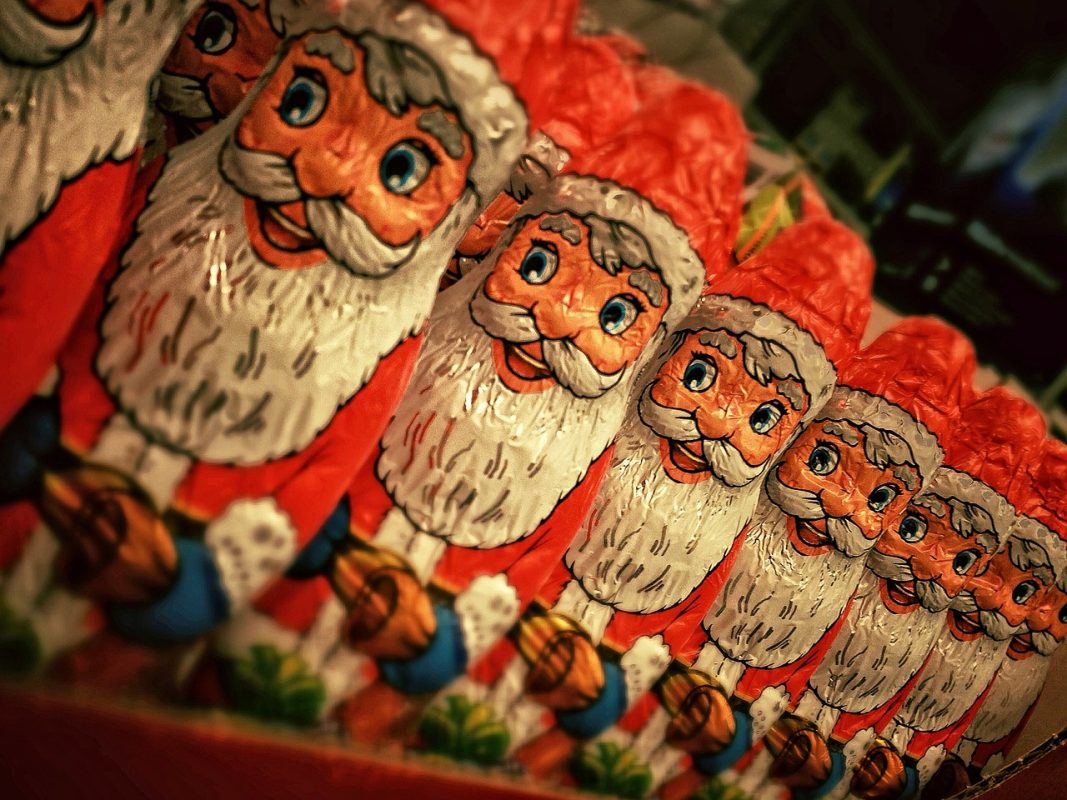
Hungary has some similarities with the Netherlands because their Sinterklaas (Santa Claus) arrives with presents on December 5/6. In Hungary, all kids wash their shoes on December 5th, knowing that Santa Claus will arrive during the night with sweets and other nice things during the night (if the shoes are nice and clean). In other words, Santa Claus comes on December 6th in Hungary. For many people in the Netherlands, the big Christmas present thing ends on December 6th, but that isn’t so in Hungary.
Jesus brings the presents on December 24.
There are different traditions, but many add to the magic the fact that the angels bring the Christmas tree to the different houses. Then you have the interesting thing. If you visit Budapest on December 24 and walk up and down the streets between 12.00 and 15.00, you will see lots of parents and/or grandparents out walking with kids. Why is that? They need to leave the house around this time in order for Jesus to come to the houses with all the presents.
As the kids return, the tree is decorated, and hopefully, there are lots of presents beneath it.
What does it mean that Jesus brings the presents?
First of all, it isn’t a tradition among kids to tell their parents and family what they want to get from the different persons in their surroundings. They only prepare a list that they tell their parents about, who later tell Jesus about all those wishes. Under the Christmas tree, you will seldom see stickers saying “To Tom”, and “From Mum&Dad.” The reason is simple, Jesus brought the presents, so it would be “wrong” to add such name stickers to the presents.
As the children get older, they understand what is really going on, but most Hungarians love this tradition, and they speak with glimpses in their eyes about the time when they believed Jesus was the one actually bringing the presents.
That was a little article about how the Hungarians celebrate Christmas and what you can expect if you come to Budapest around Christmas. You can read more about Christmas in Budapest and about the popular Christmas markets in Budapest here.
Budapest, the capital of Hungary, is a city full of culture, history, and beauty. But sometimes, getting out of town and exploring the countryside is lovely. Luckily, plenty of day trips from Budapest allow you to do just that. Here you will find several suggestions located less than one hour from Budapest. We have also added information about a couple of cities in Hungary worth visiting, even though they are further away from Budapest.
The easiest way to discover Hungary is by car. You can easily rent a car at the airport or by asking the reception at your hotel for help. Of course, traveling by train or bus is also possible, but discovering Hungary and the vicinity of Budapest is a way more time-consuming activity if you use public transportation.
But what should you see and where should you go if you want to discover and explore the Hungarian countryside?
Places worth visiting in Hungary close to Budapest
Visegrád:
Visegrád is a small town located on the Danube Bend in Hungary, and it’s a popular day trip destination from Budapest. There are plenty of things to do and see in Visegrád, making it an excellent choice for tourists.
Here are some of the top activities and attractions to consider while visiting Visegrád:
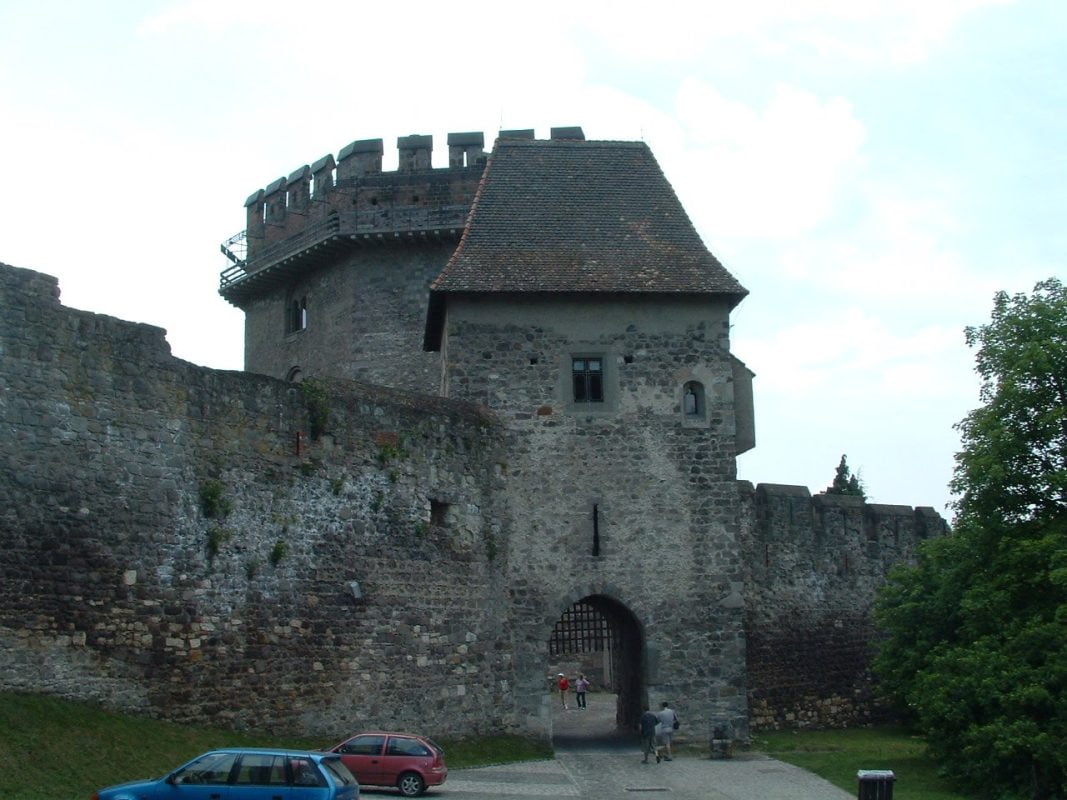
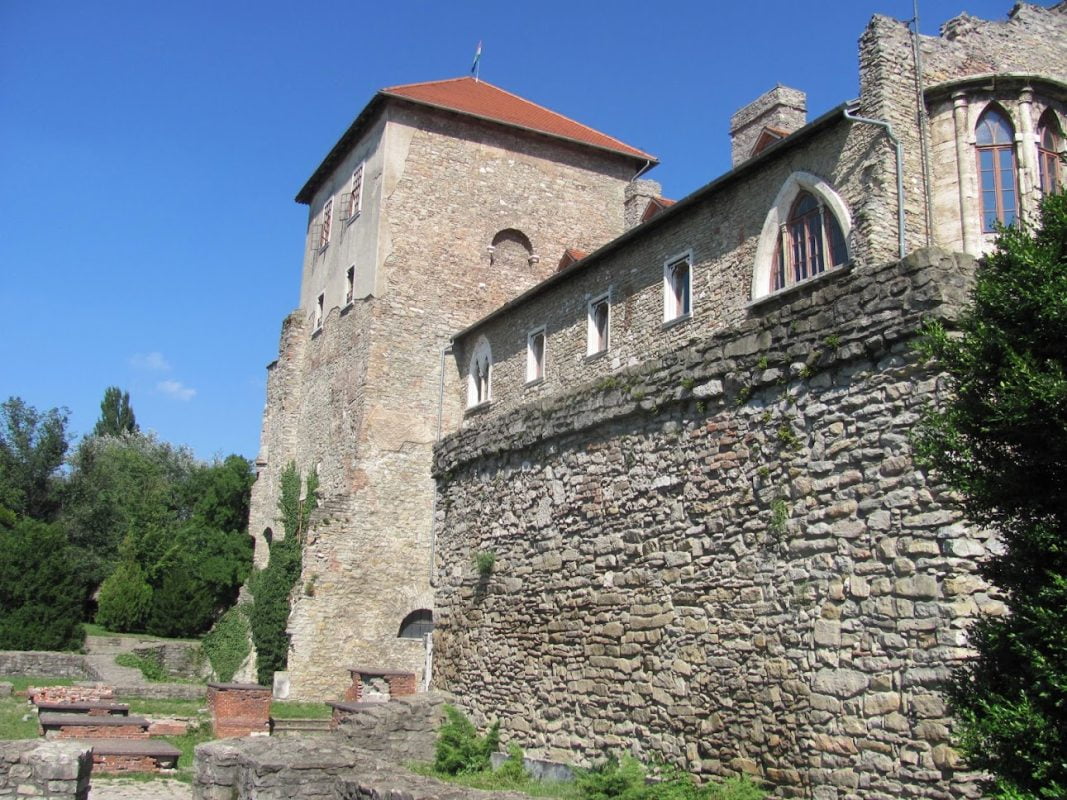
Visegrád Castle: The town’s main attraction is the impressive Visegrád Castle, which dates back to the 14th century. The castle is perched high on a hill and offers stunning views of the Danube Bend.
The Royal Palace: Located next to the castle, the Royal Palace was once the residence of Hungarian kings. Today, visitors can explore the palace ruins and learn about its history.
Solomon Tower: This tower is part of the castle complex and offers panoramic views of the Danube Bend and the surrounding countryside.
Hiking: Visegrád is surrounded by beautiful hills and forests and has plenty of hiking trails. The trails range from easy to challenging, and they offer stunning views of the surrounding scenery.
Szentendre:
Szentendre is a picturesque town just a short distance from Budapest, making it a great tourist day trip destination. There are several reasons why Szentendre is a popular choice among tourists:
Charming Architecture: The town’s architecture is a unique blend of Hungarian and Balkan styles, which gives it a distinct look and feel. The colorful buildings, narrow streets, and baroque churches make it a perfect spot for a leisurely stroll.
Art Galleries and Museums: Szentendre is known for its thriving art scene, with several galleries and museums scattered throughout the town. The Hungarian Open Air Museum, located just outside of town, is also worth a visit.
Danube Promenade: The town sits on the banks of the Danube River, and the promenade offers a beautiful view of the river and the surrounding countryside. Several cafes and restaurants along the promenade make it a great spot to relax and enjoy the scenery.
Traditional Hungarian Crafts: Szentendre is famous for its traditional Hungarian crafts, including ceramics, embroidery, and leather goods. Visitors can purchase these handmade items at the town’s many shops and market stalls.
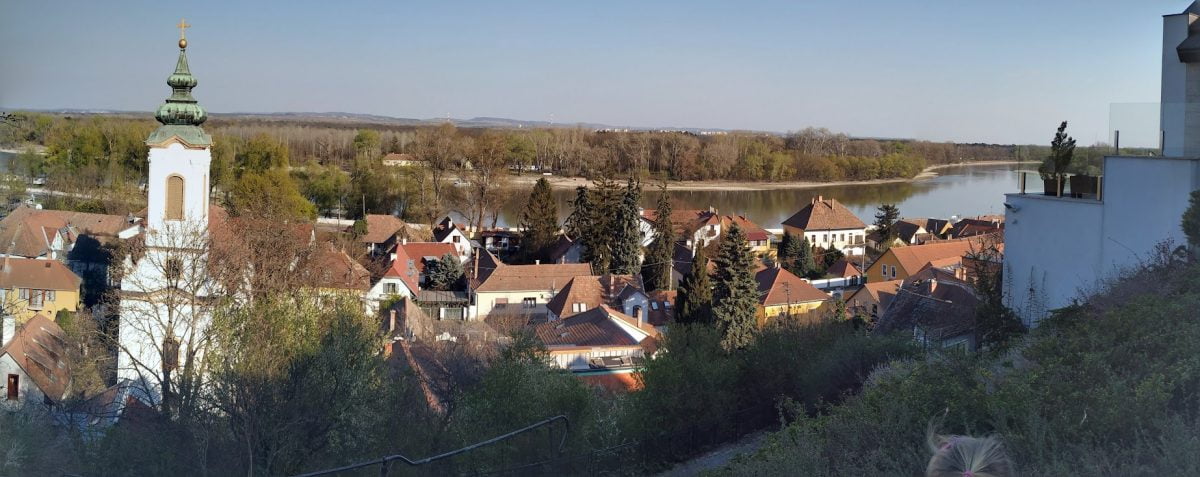
Serbian Orthodox Church: The Serbian Orthodox Church, located in the center of town, is a beautiful example of Balkan-style architecture. It also houses a museum with exhibits on the history of the Serbian Orthodox Church in Hungary.
Tata
Would you like to enjoy a magnificent little city between Budapest and Györ? Tata is a pearl primarily known for its lake. If you want a nice walk, this is the perfect place to get one. The walk around the big lake is approximately 7.5km. While enjoying the fresh air, you can see a castle from the 14th century (also used during the recording of the Netflix series The Witcher), an Eszterhazy castle, and much more.
Tata also has a second park with another lake not far from the main lake. This park is also beautiful, making it a perfect solution for those who want a shorter walk but still with magnificent scenery.
Martonvásár
The city might not be the most interesting, but the castle with its beautiful park might catch your interest.
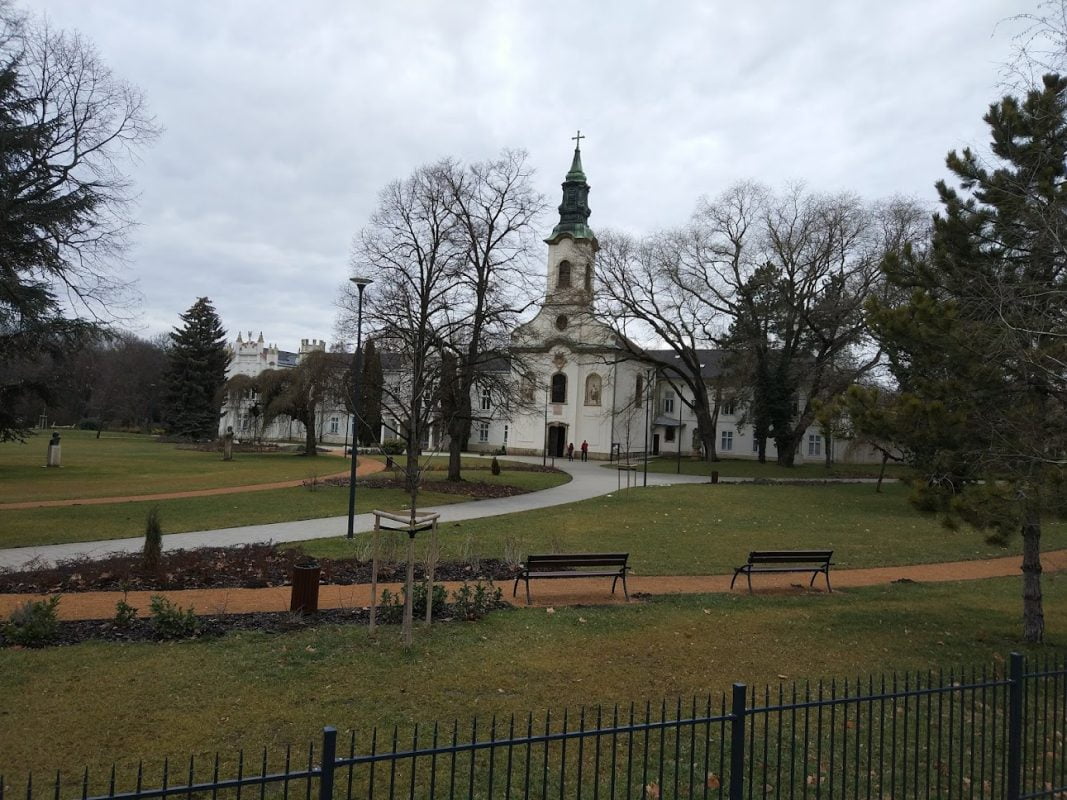
The castle in Martonvásár is a beautiful example of neoclassical architecture and is located just a short distance from Budapest. It was built in the early 19th century for Count Antal Grassalkovich, a wealthy Hungarian nobleman. The castle’s interior includes several ornate rooms, including a grand ballroom and a library. Today, the castle is open to the public and serves as a museum, showcasing the life and times of Count Grassalkovich and his family.
Beethoven and the Grassalkovich Castle have an interesting connection many may not be aware of. Count Antal Grassalkovich II, who owned the castle in the early 19th century, greatly admired Beethoven’s music. He even invited Beethoven to visit the castle in 1800, a significant honor for the composer.
Beethoven stayed at the Grassalkovich Castle for several weeks, and during his visit, he composed several pieces of music. One of the most notable pieces he composed during his stay was his Sonata for Piano No. 8 in C minor, Op. 13, also known as the “Pathétique” Sonata. This piece is one of Beethoven’s most famous and is considered a masterpiece of the classical period.
If you visit this area, we recommend driving some more kilometers towards the south to visit the city of Velence and bring a swimming suit to swim in the Velence lake (if the weather supports that idea).
Budaörs
Only ten kilometers from the city center in Budapest you find Budaörs. This is considered by many to be a part of Budapest, and it feels like it is in many ways. Here you find stores such as IKEA, Decathlon, Auchan, Jysk, and many others, but it is also a perfect area for hiking and enjoying the fresh air.
There are several tops here worth climbing, and even though they aren’t very high, they will still give you a feeling of accomplishment and satisfaction as you reach the top.
You can find some ideas for hiking tours in Budaörs in this article.
Gödöllö
Gödöllö might not be the most interesting destination for a tourist, but it has a fantastic castle that makes it worth the ride anyway. You can travel to Gödöllo using public transportation, something that comes as a big plus (travel with the red metro to Örz Vezér tere and then travel with the HEV from there until the end station called Gödöllö).
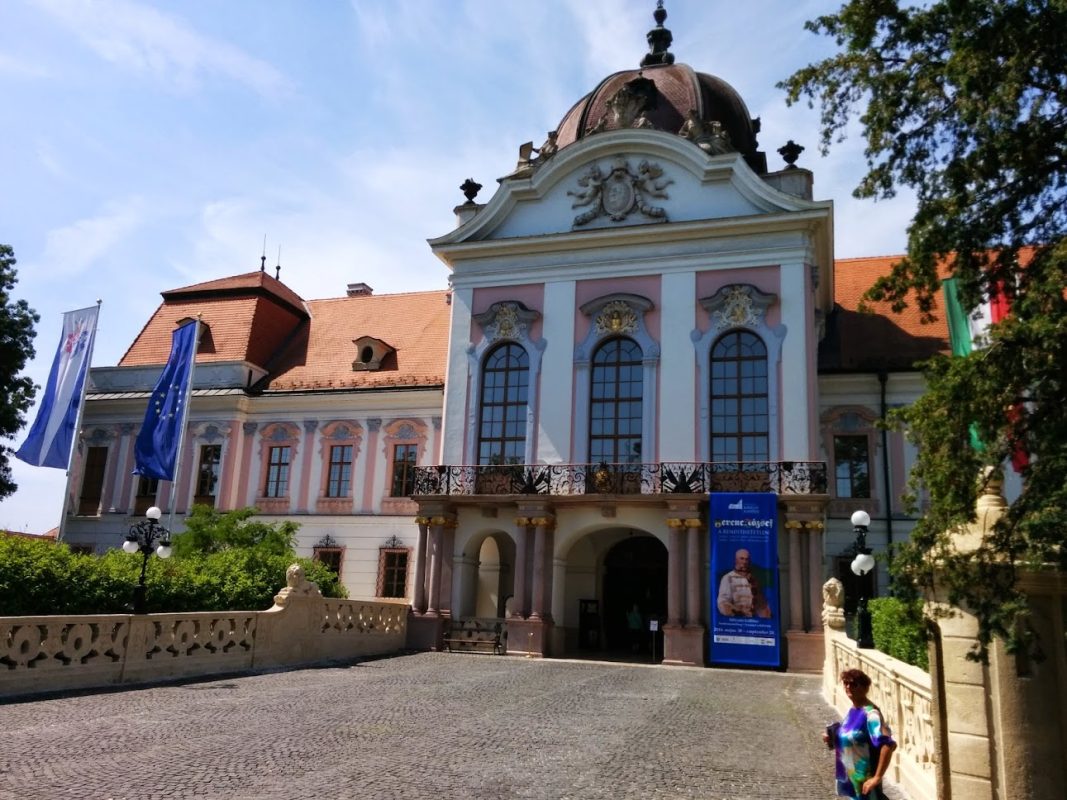
The Gödollö Castle is a stunning baroque-style palace located in the town of Gödollö, just a short distance from Budapest. The palace was built in the 18th century and was the summer residence of the Hungarian royal family. It is considered one of Hungary’s most significant cultural and architectural monuments.
The palace’s interior is richly decorated with ornate frescoes, intricate woodcarvings, and stunning chandeliers. Visitors can explore the palace’s many rooms, including the royal apartments, the grand staircase, and the ballroom, one of Europe’s largest.
The palace also includes several beautiful gardens and parks that visitors can explore. For example, the Great Grassalkovich Park, which surrounds the palace, features a stunning fountain, a rose garden, and several walking paths.
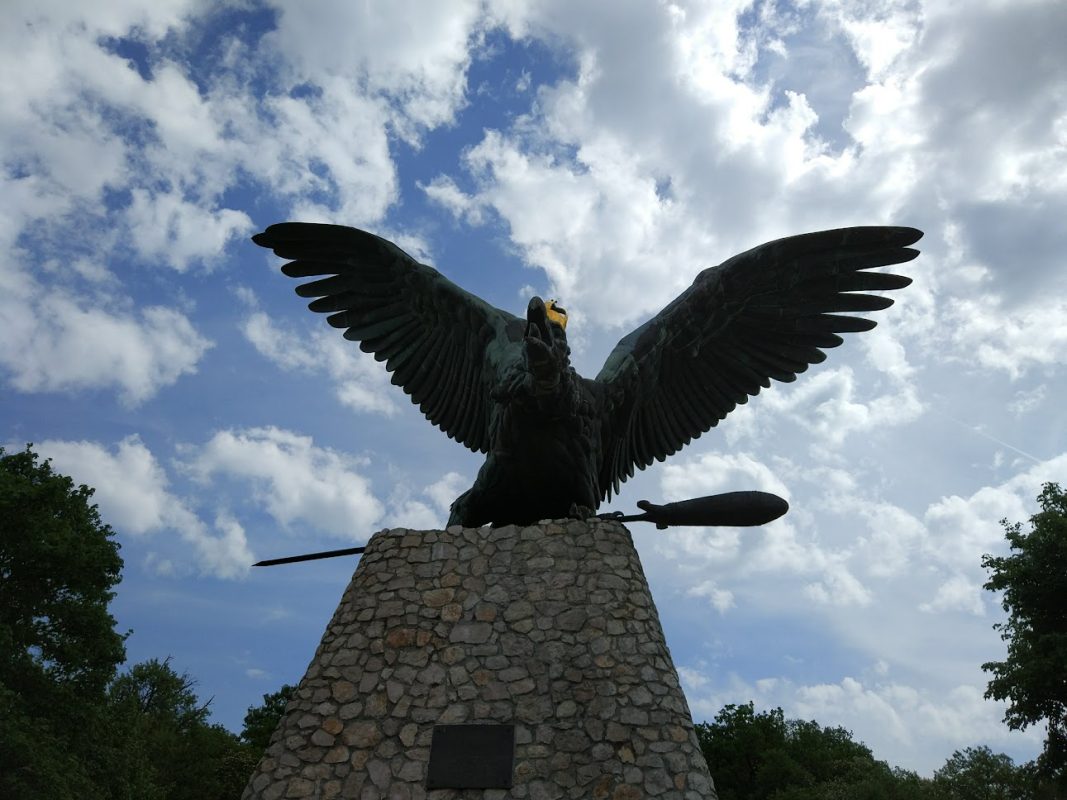
Turul bird (Tatabanya)
The Turul bird is a large, mythical bird believed to be the guardian of the Hungarian people. Hungarian folklore often depicts it as a powerful creature that symbolizes strength, freedom, and victory. In Tatabánya, there is a giant statue of the Turul bird located on the Gerecse Mountain, a popular hiking destination for visitors.
Hiking in Tatabánya is popular, with several trails available for all skill levels. The Gerecse Mountain is a favorite among hikers with its stunning views of the surrounding landscape and the Turul bird statue at the top. You can also find the Szelim cave and a big lookout tower close to the statue, making this area ideal for a half-day excursion from Budapest.
Székesfehérvár
Would you like to walk in a city with real stores instead of walking around in the forest somewhere? Székesfehérvár is an actual city with a real city center. It isn’t even close to the size of Budapest, but that gives it more intimacy and a different kind of peace.
Would you like to see even more as you travel to Székesfehérvár? One of the nicest places worth visiting is the so-called Bory castle. This is located a little bit outside the main city center. It is a beautiful castle telling a story about a man madly in love with a woman.
Other cities in Hungary definitely worth a visit.
Are you eager to see and experience even more? Don’t you mind driving more than one hour by car to get to your destination? Here you have even more suggestions.
Eger:
This charming town is located in the north of Hungary and is known for its baroque architecture and historic castle. It’s also famous for its wine, particularly the red blend known as Egri Bikavér (Bull’s Blood of Eger).
As a visitor to Eger, you should visit the castle and the Szépasszonyvölgy (a valley packed with wine bars). Many people decide to spend a few days in Eger due to the beauty of the city and all the programs available in the area.
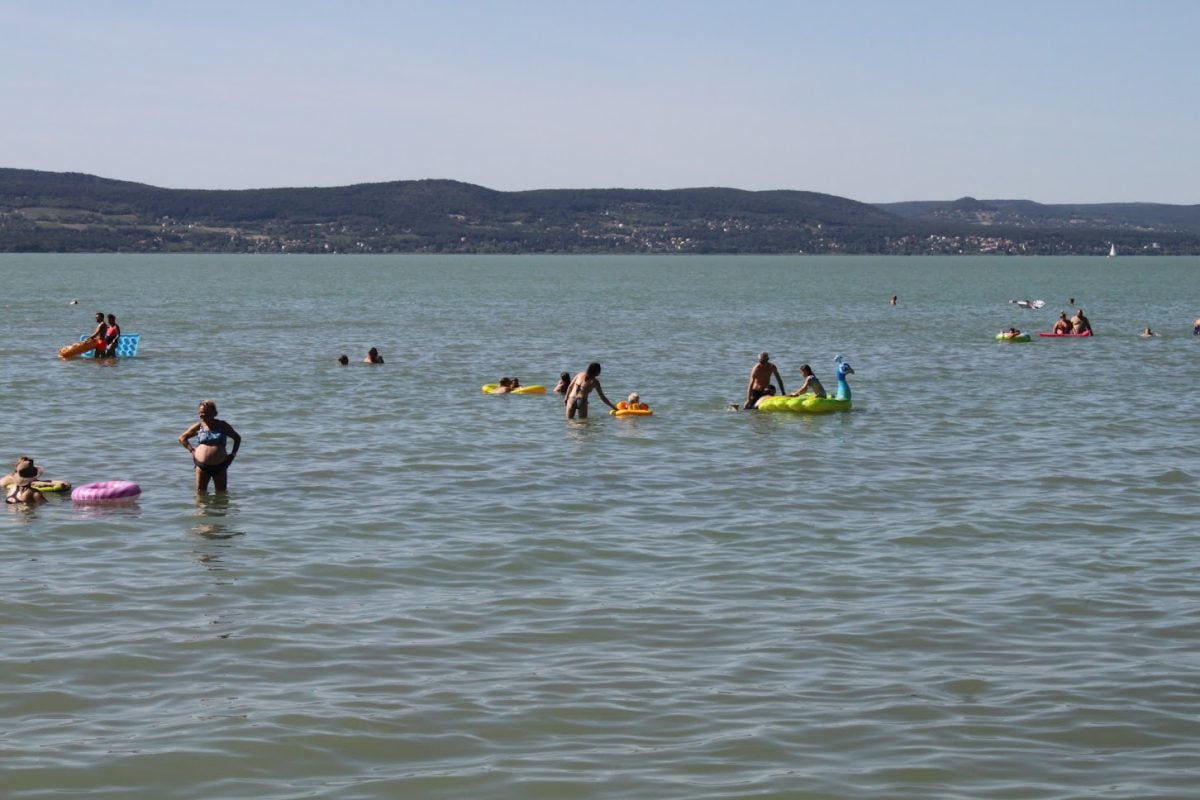
Hungary’s largest lake is located just a couple of hours from Budapest, and it’s a popular destination for swimming, boating, and sunbathing in the summertime. In addition, you can walk, run, or bicycle around the entire lake (more than 200km), or you can visit one or more of the cities separately.
The most popular city closest to Budapest is Siófok. Other cities around Lake Balaton are Balatonfüred, Tihany, Keszthely, Heviz, and Balatonlelle.
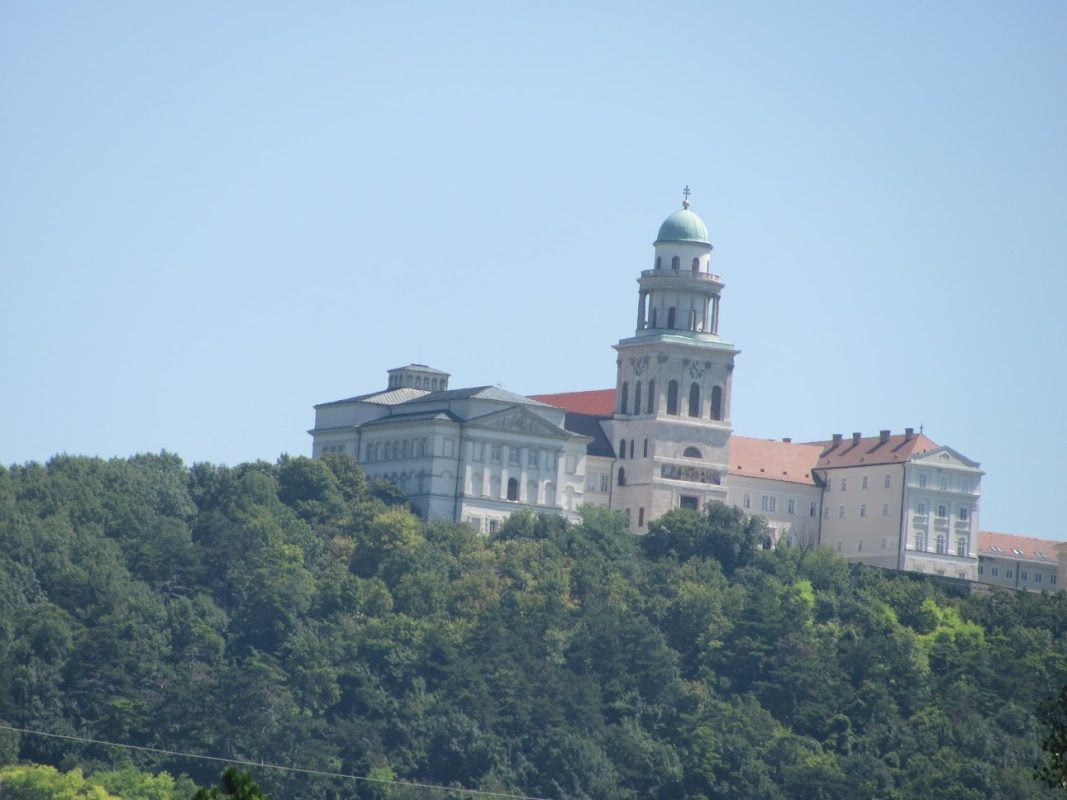
This small town is home to a Benedictine abbey designated a UNESCO World Heritage Site. The abbey dates back to the 10th century and is an important cultural and religious center in Hungary.
The town only has a little to offer besides the Benedictine abbey. If you want to combine a Pannonhalma visit with another program, we recommend visiting the city of Györ, which is close to Pannonhalma.
Pécs:
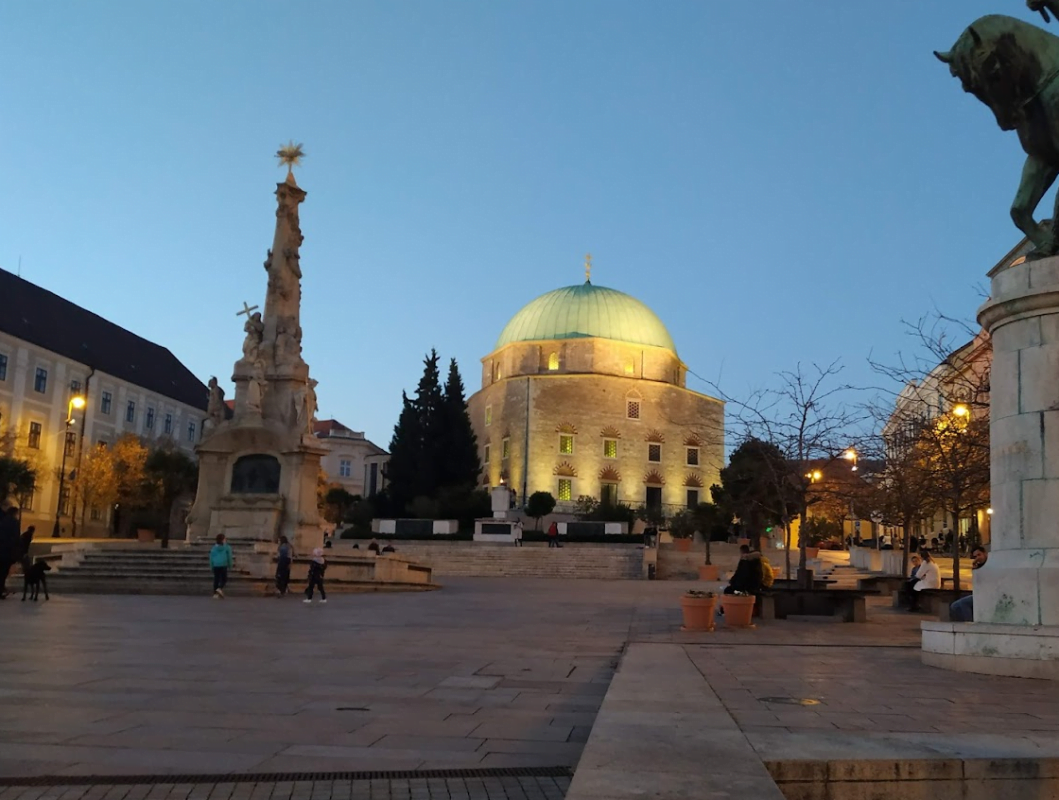
This city in southern Hungary is known for its vibrant art scene and historic architecture. Highlights include the early Christian tombs and the Mosque Church, built during the Ottoman era.
The city center is beautiful, but we can also recommend hiking in the area around the TV tower of Pécs. The city has a delightful zoo and several attractions making it a perfect destination for all kinds of travelers.
If you’re interested in wildlife, head to Hortobágy National Park, which is home to a wide variety of birds and other animals. There are also traditional Hungarian shepherd shows and horse shows in the park.
We hope these suggestions have made planning your trip to Budapest and Hungary easier. Of course, the Hungarian capital has a lot to offer, and you can read about many of the most popular activities and attractions in Budapest here in our Budapest Guide. But if you want to see even more of Hungary, we hope this article has inspired you.
If you have any remaining comments or questions, please write them below.
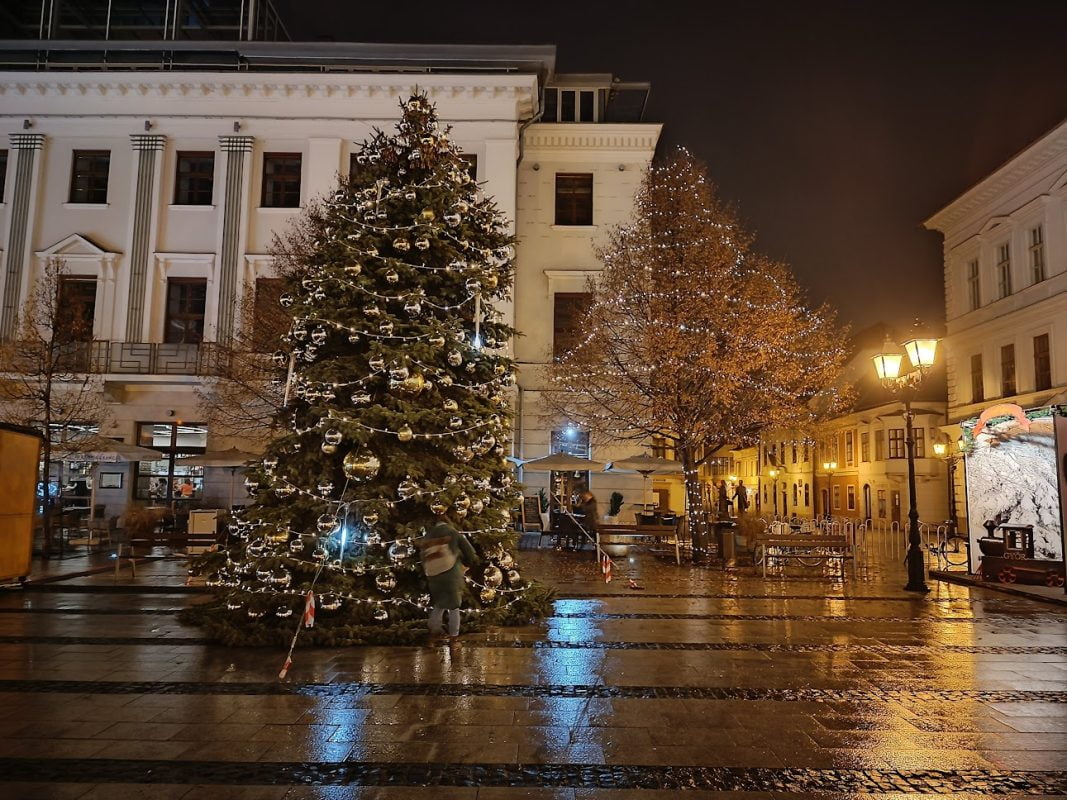
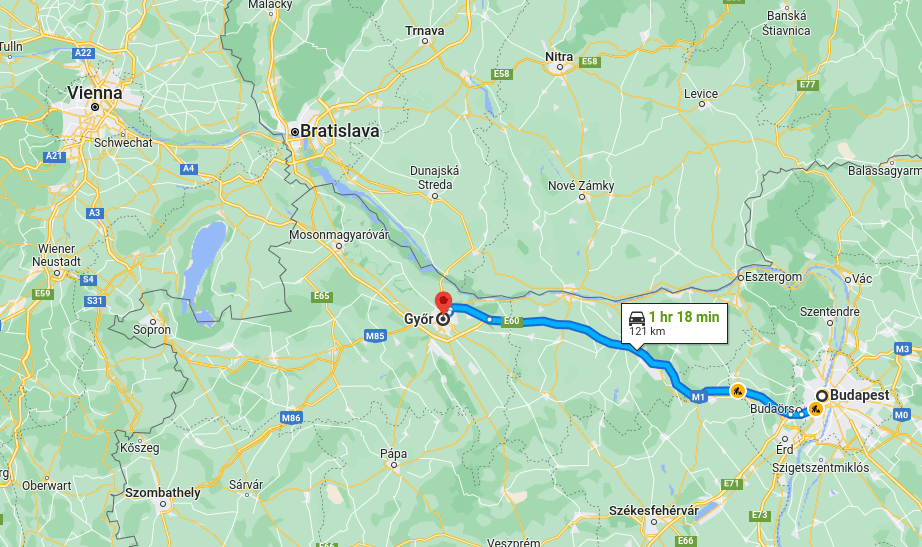
The city of Györ is approximately 125km from the city center of Budapest. The town is well known for its beauty and being the home of one of the best female handball teams in the world. Many people drive next to it as they come to Budapest from Bratislava or Vienna by car, but few people decide to spend some hours in the city. But, Györ is worth visiting, and here we will give you information about the city’s most important Christmas markets.
As mentioned, Györ is located along the M1 highway connecting Budapest with cities such as Bratislava and Vienna. It takes about 80 minutes to get to the center of Györ from Budapest, and you need almost the same time to travel to Györ from Vienna.
If you want to watch a handball match or a football match in Györ, the football stadium and the handball arena are located next to the road connecting the city center with the highway, so they are both very easy to find.
If you arrive by train, you will find yourself perfectly located immediately, so you are ready to explore the city at once. Those arriving by car will need to find a parking lot somewhere. The city is divided into zones, and the most expensive is priced at 520 HUF per hour. It is free to park in the city on Sundays.
Where are the Christmas markets in Györ located?
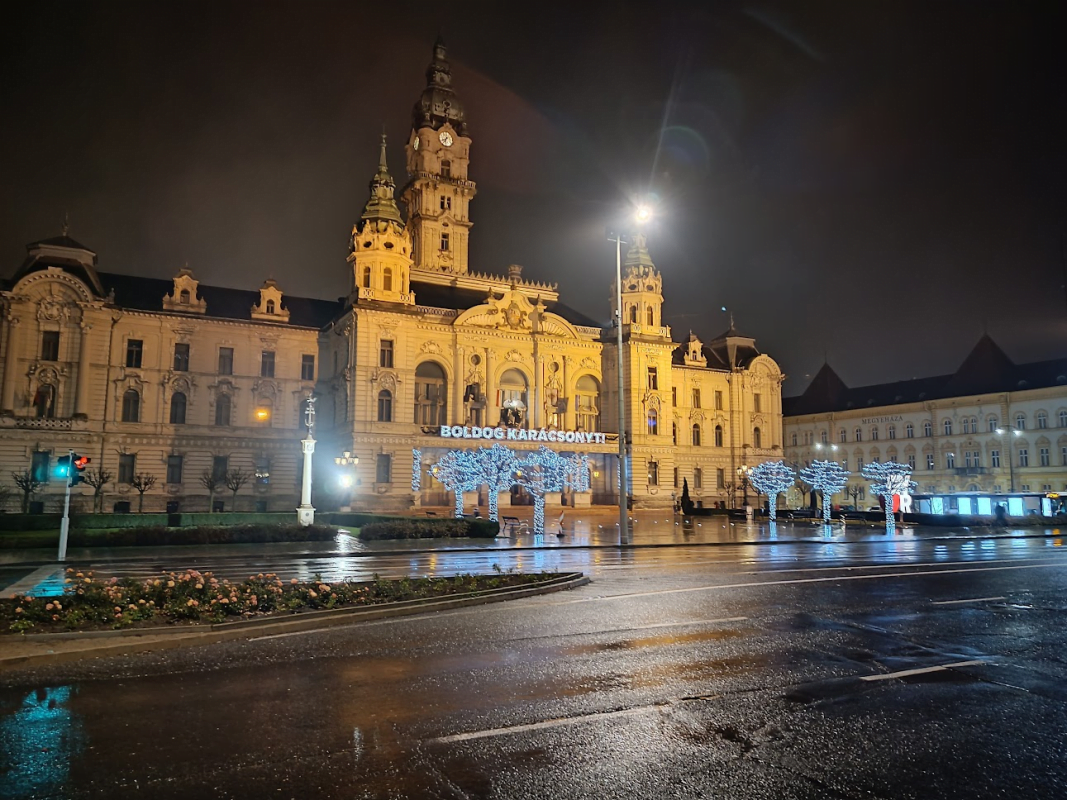
Christmas market by the City Hall.
There are three important areas that you need to explore if you want to experience Christmas and the Christmas markets in Györ. The first is located by the railway station. On a nice big square next to Hotel Rába (a nice place to stay while in Györ), you will find this market.
Boldog karácsonyt means Merry Christmas.
Above, you can see an image of the city hall in Györ. This is on the other side of the road from the Christmas markets, and it is located next to the railway station. At this market, you will find quite a lot of souvenirs and handmade artifacts. You will, of course, also find something to drink and eat.
If I had to give a ranking of the three Christmas market options in downtown Györ, this would probably end up as the least interesting. But maybe you will disagree with me on that?
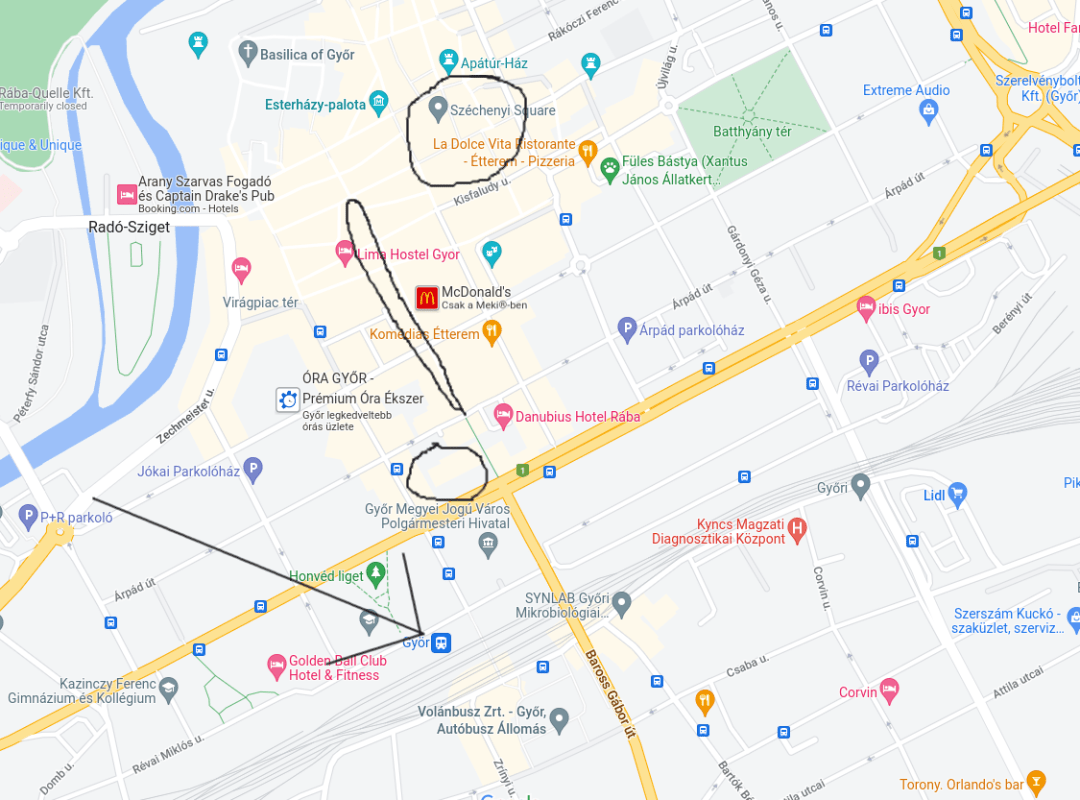
When you are finished looking around at the square, you can easily move on to discover more Christmas markets in the city of Györ. Below you can see a map presenting the three main areas for the Christmas markets in Györ. We have already taken a look at the one opposite the city hall. What about the others?
Christmas market in Baross Gábor út.
If you head to Baross Gábor út (which starts next to the Christmas market we already discussed), you can walk in a very nice pedestrian street. This is nice for shopping all year round but especially nice during the Christmas markets. In this period, stalls are located all along the street, and here you will meet locals and tourists drinking hot wine, eating roasted chestnuts, tasting lángos, and enjoying other sweets.
The street looks nice during the daytime, but like everywhere else, the real Christmas market atmosphere comes when it is dark and the lights are turned on. If you want to grab something to eat very fast (and not eat on the Christmas market), then you can find several bakeries, a Mcdonalds’, and several other options in this street besides what the Christmas market has to offer.
You should absolutely walk here to look around. The street has a friendly atmosphere, and it is lovely to see a mixture of locals and tourists eat, drink, and enjoy life as you walk up and down the street.
Dates for this Christmas market: November 26, 2023 – December 23, 2023.
Christmas market at Szechenyi Square.
If we had to pick one Christmas market in Györ, this would be our favorite. Luckily, we don’t have to choose, meaning we can visit everyone. But this is still the one with the nicest atmosphere and with the “nicest” Christmas atmosphere. There aren’t hundreds of stalls here, but you can buy food, drinks, and handicrafts from approximately 25-30 stalls. Besides this, you have activities and lovely decorations making it a fantastic place to visit.
As you can see from the pictures above, the Christmas market at Szechényi Square is beautifully decorated, and it has effects that wildly cheer up kids coming along. It might be that the decorations will change from year to year, but this is still a place that takes the holiday effects and decorations seriously. Of course, kids always love to meet Santa Claus, and the little railway for children at the square always forces parents to spend more money than initially planned as they visit the square. But that’s what Christmas is all about.
Szechenyi Square Christmas market dates: November 26, 2023 – December 23, 2024
Santa Claus will come to the Santa house on December 6 to give presents to kids in the area. The lights on the advent wreath are lightened every Sunday at 17.00.
Christmas market at Dunakapu Square.
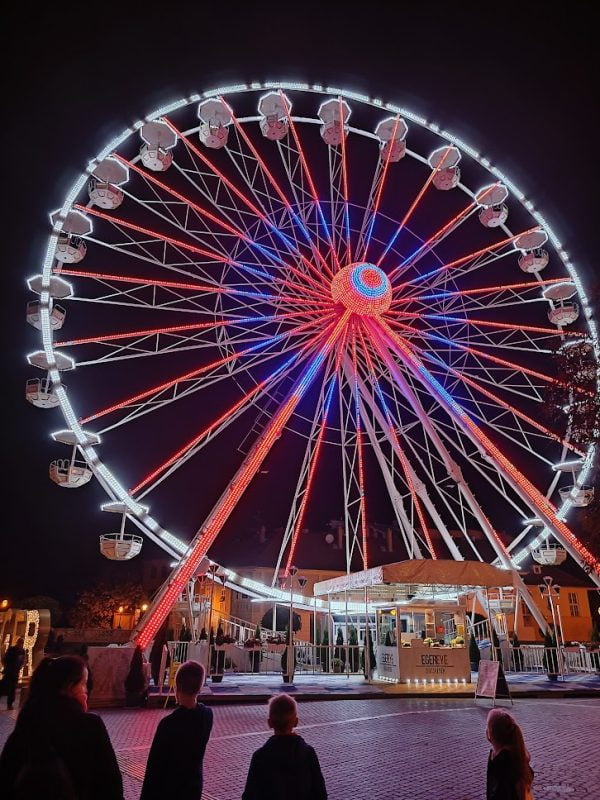
This isn’t even visible on the map above, but it is probably the biggest and most popular location in Györ. Do you know why? Here you will see programs such as fire juggling, there is a Ferris Wheel at the location, you have the chance to use a dodgem, and there is a Merry-Go-Round for kids. Besides this, you have the traditional stuff required for something to be a fantastic Christmas market. In other words, do not miss out on Dunakapu Square if you come to check out the Christmas markets in Györ.
Dunakapu Square Christmas market dates: November 26, 2023 – January 1, 2024
What should you buy at the Christmas markets in Györ?
We have a long and thorough article about the Christmas markets in Budapest here in our Budapest Guide. There you can see a long list of recommendations concerning what to eat and drink and buy at the Christmas markets in the Hungarian capital. The truth is, you will find mostly the same products at the Christmas markets in Györ. In other words, this is a place to taste Hungarian gastronomy and buy handicrafts. You will find more products aimed at tourists in Budapest, while there will be more products aimed at locals in Györ.
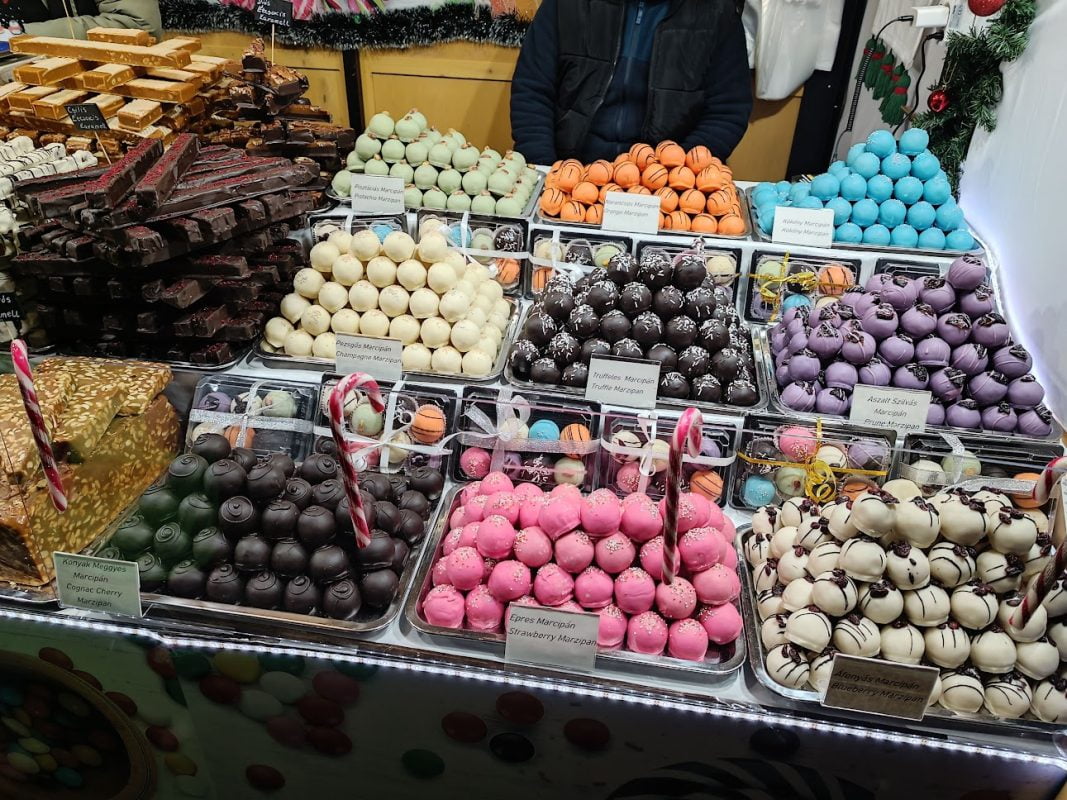
One thing many people buy is sweets of all sorts. There are lots of gingerbread cakes available, decorated with different colors. You can also find handmade chocolate pralines filled with marzipan, cognac, whiskey, rum, nuts, and other delicious stuff. The chocolate pralines in the picture above are quite expensive, but they are still cheaper at the Christmas markets in Györ than they would be if you bought them at the Christmas markets in Budapest.
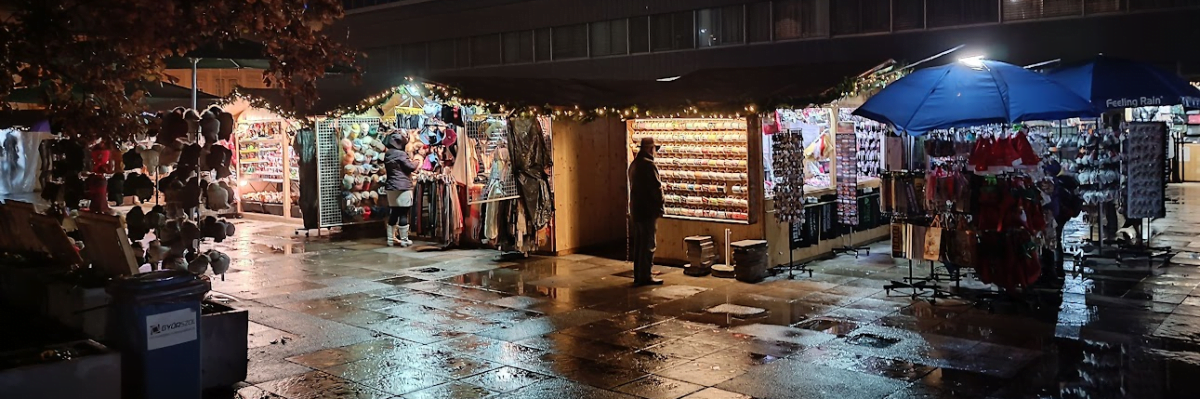
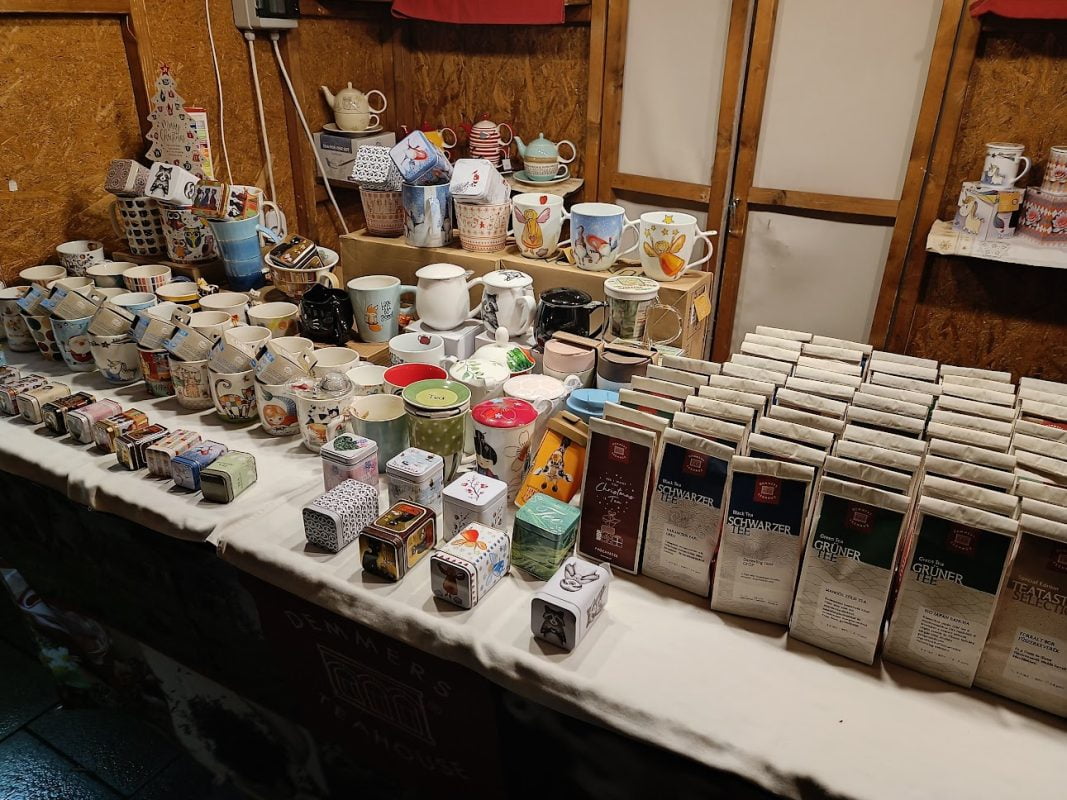
As mentioned, you will find more products aimed at locals as you visit the Christmas markets in Györ. Above, you can see a picture from a stall selling tea, tea boxes, and tea cups. This is something that locals, as well as tourists, will find tempting. It is a perfect present to buy for someone else, and it might be tempting to bring some bags of tea, combined with a nice box, and a cup for yourself as well. This is especially nice, knowing that these are not mass-produced cups and boxes, meaning that you will have something created by hand someone somewhere in Hungary!
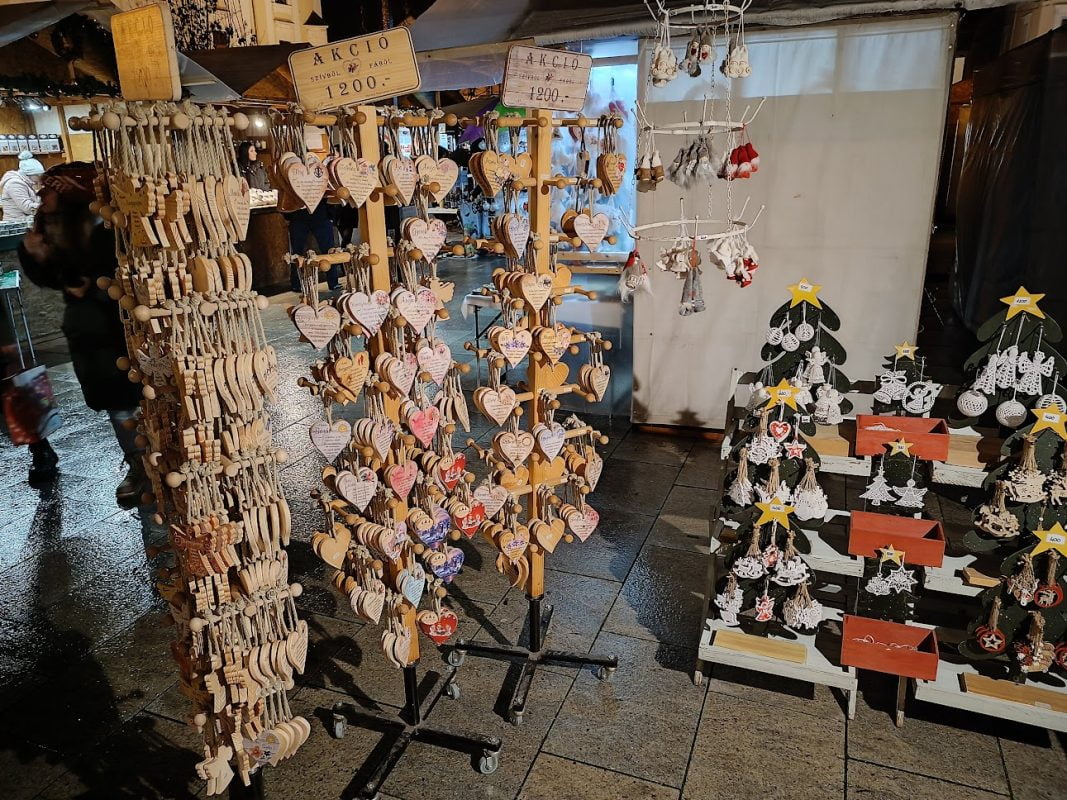
There are also Christmas decorations for sale at the Christmas markets in Györ. Some of these are universal, meaning that they are suitable for Christmas trees all around the world. Some are aimed at locals since the text printed on the objects is Hungarian. No matter what, these are souvenirs that will remind you of Györ and Hungary as you return home, and as you can see above, they are not very expensive either (1200 HUF = 3 Euro, at the time of writing).
Are the Christmas markets in Györ cheaper than the Christmas markets in Budapest?
The general answer to that question is yes. We cannot give an answer promising that everything will be cheaper, but generally, most products are cheaper in Györ than in Budapest. Why is that? The products are similar, but the rental prices are lower for the stalls. Of course, the revenue is much higher in Budapest, but still – you will spend less in Györ.
It is also a major difference that you will meet more locals in Györ than in Budapest. Why is that? The prices at the Christmas markets in Budapest (the two central markets) are so expensive for locals that they don’t really care about them anymore. As a result, you will meet other tourists as you visit them. But, as you visit the Christmas markets in Budapest located outside the main tourist area, you will immediately meet locals again, and that is true about the Christmas markets in Györ as well.
Where to live in Györ?
Would you like to discover Györ and the Christmas markets in quietness and peace without stressing? Then you should spend a night in the city so you can explore everything the city has to offer during daytime and nighttime. The city has a beautiful zoo and lots of attractions worth visiting, so you don’t need to worry that you will be bored. But, where should you live?
Below you can see a map showing the city center of Györ with hotels and apartments. All the accommodation options there are very well located in the city center, meaning you can reach the Christmas markets, the railway station, and all sorts of attractions easily.
The prices are estimations of what it will cost to book a hotel or an apartment in Györ on your selected dates. This will help you find a place to stay that isn’t too expensive and that will let you have money left to spend at the Christmas markets after paying for your hotel or apartment.
Where to eat in Györ?
The obvious answer is that you should eat at the Christmas markets! They have delicious food and you will taste some of the most popular meals in Hungary. You can find lots of warm meals at the Christmas markets, and you can also find sweets to eat for dessert.
But, if you want to dine in a normal restaurant, there are several you can choose from in the vicinity of the Christmas markets in Györ.
Komedias restaurant: This is a trendy restaurant among locals, simply because it has great Hungarian food at prices they can afford. It isn’t a place for a business dinner in a luxurious environment, but if you just want Hungarian food at great prices, this is a good place to go.
Szalai vendeglö: It is very similar to the Komedias restaurant in many ways. Once again, you can eat traditional Hungarian meals, but with some more modern courses available. The price level is quite okay. If you want a nice lunch menu, this is a great place to go between 11.00 and 15.00.
From June 19th, it will be free for EU members to visit Hungary. That is, if you live in an EU country, you can freely travel to Hungary and enjoy your summer holiday eating Goulash soup in Budapest, or swimming in the beautiful Lake Balaton.
Welcome to Budapest – Source: Pixabay
This is fantastic news and something we have been waiting for a long time.
A frequently asked question has been about the UK. Are people in England part of the European Union, or are they not? Can people from the UK come to Hungary? According to official sources, people form the UK are still not allowed to enter Hungary. You can read more here and here.
But, what about Norway? What about Iceland? And what about Switzerland?
Those countries are no exception, meaning that people from these countries are also allowed to enter Hungary from June 19th. As a result, you can book your flight tickets, get in your car, and be ready to come and visit Budapest and Hungary once again. If you come from one of these countries, you will not need to enter a quarantine after your arrival to Budapest.
Let us hope it will remain like this for a long time. But, if a second wave will come this autumn, the borders will most likely close again. You can find updates and more information at www.budapestguide.org.
The Hungarian minster of Foreign Affairs (Peter Szijjarto) announced yesterday that people from Germany can now freely enter Hungary. This is good news for Hungarians living in Germany who wants to come home, and it is awesome news for Germans who want to come to Budapest for their summer holiday.
Hungary is slowly opening up their borders, and last week, it was made possible for people from the Czech Republic, Slovakia, and Austria to visit Hungary without limitations. Now the same can be said about people from Germany.
Germans can once again visit Budapest and Hungary.
This is good news, not only for those visiting Budapest, but also for those who want to spend their summer holiday by Lake Balaton. This is a very popular area among German tourists in the summer, and it is now once again a perfect destination for those who want to spend their summer holiday by the Hungarian “sea.”
For more information about visiting Hungary and whether or not you are allowed to visit Hungary, visit www.budapestguide.org. There you can also ask questions if you have such on the topic of visiting Budapest and Hungary.
The Hungarian Prime Minister Viktor Orban announced Friday evening during a live speech at Facebook that the schools and kindergartens in Hungary will be closed from March 16th.
He did not give any information about the duration, but he did expect it to be a question of months and not weeks! The universities were closed earlier this week, and now the kindergartens and schools follow in the same example.
For those attending school, there will be online courses and digital teaching. In other words, this is not a holiday, but they will study from home instead.
Viktor Orban also said that it is very important that the parents try to solve the problem of watching out for the children at home. It might be tempting to ask the grandparents for help, but considering that the virus is more dangerous for those who are old, he encouraged everyone to try to solve this without involving the grandparents.
Would you like to know more about the Covid-19 virus in Hungary? Click the link for daily updates in our main article!
Every day we are given information once about the progress of the coronavirus in Hungary. The daily update on March 12th tells us that three new people have been infected by the virus.
The three new people are:
A lady who has been isolated in the Szent Janos hospital for days.
A person from Iran who has been infected by one of the other people from Iran.
A Hungarian man who was infected during a recent trip to Israel.
As of today, all theaters, and cinemas are closed. Children are still attending schools and going to kindergarten. Both parents and teachers hope that the government will decide to close school and kindergartens as well, but still, that is not happening in Hungary, even though it has happened in neighboring countries such as Austria, Romania, Slovakia, and Poland.