Blog

The “Dancing Minister” & The Danube: Why Budapest is Suddenly the World’s Hottest Vibe Check

In the wake of the April 2026 elections, Budapest is experiencing more than just a political transition—it’s having a full-blown “main character” moment. The landslide victory of Péter Magyar and the Tisza Party has ignited a global obsession with the “Pearl of the Danube,” turning political rallies into travel ads that are currently breaking the internet.

The Iconography of Change

The defining image of the campaign wasn’t a stiff press conference. It was Péter Magyar standing before a sea of supporters with the neo-Gothic Hungarian Parliament glowing like a golden palace behind him. This visual—mixing historic grandeur with modern democratic energy—has done more for Budapest’s “cool factor” than a decade of tourism board spending.

“The surge in interest isn’t just about politics; it’s about the ‘vibe’ shift. Travelers want to be where history is being made, especially when it looks this good on camera.”

The “Dancing Minister” Phenomenon

If you’ve been on TikTok this week, you’ve seen him. Zsolt Hegedűs, the likely candidate for Health Minister, became an overnight sensation for his uninhibited, celebratory dance moves on the victory stage. Dubbed the “Dancing Machine Politician” by international media, his joy has humanized the new administration and painted a picture of a welcoming, vibrant, and optimistic Hungary.

For younger travelers, this “viral joy” is an invitation. Budapest is no longer seen through a lens of “stuffy politics,” but as a city that is safe, progressive, and alive with celebration.

Economic Optimism and “Democratic Tourism”

Beyond the viral clips, there is a tangible “Magyar Effect” on the economy. With a pro-EU government in the wings, the Forint is stabilizing and investor confidence is peaking. This is giving rise to “Democratic Tourism”—a trend where international visitors choose a destination specifically to support its new, hopeful direction.

Hotels in the capital report a significant uptick in bookings from Western Europe and North America, with many visitors citing the “joyful energy” of the recent news coverage as the primary reason they finally clicked “book.”

A New Chapter for the Danube

As the “New Hungary” takes its first steps, the tourism sector is the first to reap the rewards of this global rebranding. With its combination of historic grandeur and newfound cultural momentum, Budapest is the pulse of a changing Europe. 2026 isn’t just the year of the election; it’s the year the world fell back in love with Hungary.

Szalonnasütés – Hungary’s Smoky, Greasy, Surprisingly Brilliant Tradition

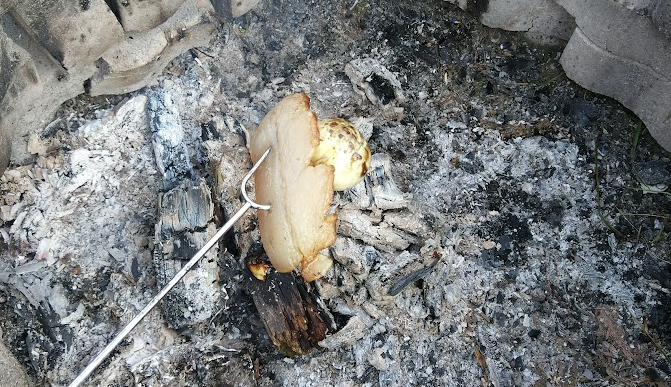
If you ever find yourself in Hungary on a warm evening, somewhere near a lake, forest, or random backyard, chances are you’ll stumble upon a group of people standing around a fire… holding sticks… slowly roasting what looks like a thick slab of bacon. Congratulations — you’ve just discovered szalonnasütés.

So what is it?

At its core, szalonnasütés means roasting bacon (szalonna) over an open fire. But calling it “just cooking bacon” is like calling a football match “just kicking a ball.” It’s a full-blown social ritual. Friends gather, firewood crackles, someone inevitably brings a guitar, and the evening slowly turns into a mix of storytelling, laughter, and slightly overcooked onions.

How does it work?

You take a chunk of cured pork fat (often with some meat attached), stick it on a skewer, and hold it above the fire. As the fat melts, it drips down onto a slice of bread below — typically topped with chopped onions, maybe paprika, peppers, or tomatoes.

Yes, you read that right: hot bacon fat dripping onto bread.

And honestly? It’s glorious.

Wait… is that even healthy?

Let’s not pretend this is a kale smoothie.

Szalonnasütés is definitely high in fat and calories, but here’s the twist: it’s not automatically worse than what many people eat daily. Traditional Hungarian bacon is often minimally processed compared to industrial spreads. That brings us to the big question…

Bacon fat vs. margarine — which is worse?

Surprisingly, the answer isn’t as obvious as you’d think.

  • Szalonna (bacon fat): Natural animal fat, rich in saturated fats, but usually less processed.
  • Cheap margarine: Often heavily processed, sometimes containing trans fats (depending on quality), and made from refined vegetable oils.

In moderation, many would argue that real, traditional fat is actually preferable to low-quality processed spreads. Your body at least knows what it’s dealing with.

Of course, moderation is the key word here. Eating dripping bacon fat every night? Not ideal. Enjoying it occasionally by a fire with friends? That’s a different story.

Is it disgusting?

This depends entirely on your mindset.

If you’re used to clean, neatly packaged supermarket food, the idea of fat dripping onto bread might sound… questionable. But once you try it, something clicks. The smoky flavor, the crispy edges, the warm bread soaking up all that goodness — it’s rustic, messy, and incredibly satisfying.

It’s also deeply human. Cooking over fire is about as ancient as it gets.

More than just food

Szalonnasütés isn’t really about nutrition charts or food trends. It’s about slowing down, being outdoors, and sharing something simple with others. No fancy equipment, no complicated recipes — just fire, food, and good company.

And maybe that’s why Hungarians love it so much.

Because sometimes, the best meals aren’t the healthiest or the prettiest… but the ones you remember the longest.

From the Danube to the Amstel: Experience Amsterdam with a Private Guide

Have you ever stood on Fisherman’s Bastion in Budapest, looking out over the mighty Danube while a passionate guide shared the city’s dramatic history? Perhaps you remember the taste of a classic Sport-szelet or a fresh Túró Rudi (the legendary Hungarian cottage cheese roll) that you got to sample along the way?

If you are one of the many travelers who have experienced the magic of Budapest with us over the last two decades, we have some exciting news. The world moves, and so do our guides. While we continue to offer our popular private guided tours in Budapest, our lead guide, Sigbjorn, now spends a significant part of the year in the land of tulips and canals. This means you can now experience the same personal, high-quality storytelling in the heart of the Netherlands!

Amsterdam: A City Built on Water and Willpower

It is fascinating to see the similarities between Europe’s great cultural capitals, yet also the stark contrasts. While Budapest flourished along the wide banks of the Danube, Amsterdam’s story began much more modestly.

The name of the city actually tells the entire tale: by the river Amstel, a Dam was built to control the water. The result was Amstel-redam, which over time evolved into the Amsterdam we know today. 🚲

When you wander through Amsterdam’s streets with a guide who deeply understands Norwegian, Hungarian, and Dutch cultures, you gain a unique perspective. You won’t just learn about the leaning houses and the 1,500+ bridges; you’ll see the city through the eyes of someone who has truly made this place home.

What to Expect on a Private Tour in Amsterdam?

A guided tour is so much more than just dates and royal lineages. It’s about the small anecdotes, the hidden alleys, and the flavors that define a nation. Just as we have done for 20 years in Budapest, our Amsterdam tours focus on:

  • Historical Depth: From the Dutch Golden Age to the poignant stories of World War II.
  • Cultural Bridges: How does the Dutch concept of “gezelligheid” compare to the hospitality you find in Budapest?
  • Architectural Wonders: Why are the houses so narrow, and why do they lean forward toward the street?
  • A Taste of the Netherlands: Just like in Budapest, we love to include small culinary breaks. 🧀

A True Taste of Dutch Life

What is the Dutch answer to the Hungarian Sport chocolate? Perhaps it’s a warm, gooey Stroopwafel melting over a cup of coffee, or a bite of aged, creamy Gouda cheese? On a tour with Sigbjorn, you’ll get to taste things that are “exciting and essential” for life in the Netherlands. These small sensory experiences are what make the history truly stick in your memory.

Private Tours: The Personal Touch

In a city as busy as Amsterdam, a private tour allows you to escape the crowds and focus on what interests you most. Whether you are a history buff, an architecture enthusiast, or a foodie, having a private guide means the pace and the stories are tailored specifically to your group.

With over 20 years of experience guiding international guests, we know how to bridge the gap between local secrets and world history, making every walk an engaging conversation rather than a lecture.

Practical Information and Booking

Are you ready to swap the banks of the Danube for the canals of the Amstel? Amsterdam is a city best experienced on foot or from the water, and with a local expert, you can avoid the tourist traps and see the authentic side of the city.

You can read more about our tours and book your next experience here:
👉 Get to know Amsterdam on a private guided tour

Tour Overview

CategoryDetails
LanguageEnglish (with a Scandinavian touch)
FocusHistory, Culture, Architecture, and Local Snacks
DurationFlexible, tailored to your group
Ideal ForFamilies, friends, and curious travelers

Amsterdam is waiting for you with open arms, vibrant flower markets, and centuries of history. Whether it’s your first visit or you’ve been here before, we promise that a tour with a familiar face and a fresh perspective will give you a deeper understanding of this incredible city.

See you at the dam on the Amstel! 🌷

8 Must-Visit Restaurants Within 5 Minutes of St. Stephen’s Basilica

If you are standing in front of the magnificent St. Stephen’s Basilica, you aren’t just at the religious heart of Budapest—you’re in the center of its culinary universe. Within a 5-minute walk of that giant dome, you can find everything from Michelin-starred masterpieces to the best $5 pizza in Central Europe.

But with so many “tourist traps” lurking in the side streets, where should you actually spend your Forints? Here is our hand-picked guide to the 8 best spots near the Basilica for 2026.

1. The Gourmet Choice: Aszú Restaurant

If you want the “wow” factor without the stiff formality of traditional fine dining, Aszú is the place. Named after the legendary Tokaj wine, it specializes in “reimagined” Hungarian classics. It has one of the best terraces in the city for people-watching and a wine list that would make a sommelier weep with joy.

2. The Traditional Legend: Rézkakas Bistro

Located directly across the street from Aszú, Rézkakas is for those who want the classic, opulent Hungarian experience. Expect dark wood, impeccable service, and some of the best live cimbalom music in the city. It’s traditional luxury at its finest.

3. The Michelin Star: Borkonyha (Winekitchen)

Just a few doors down from the Basilica, Borkonyha has been a staple of the Budapest food scene for years. It’s a Michelin-starred kitchen that manages to feel like a relaxed French bistro. The menu changes constantly based on the freshest ingredients available.

  • Vibe: High-end gastronomy in a “no-frills,” bustling atmosphere.
  • The Secret: It’s famous for its massive wine selection (over 100 labels!).
  • More Info: https://borkonyha.hu/

4. The Artistic Sibling: Textúra

Founded by the same team behind Borkonyha, Textúra is located right next door. While its big brother focuses on wine, Textúra is all about—you guessed it—texture and playfulness. It features a stunning “tree” sculpture in the center and a living moss wall.

  • Vibe: Experimental, avant-garde, and visually stunning.
  • Perfect For: Foodies who want to see “science” on their plate.

5. The Italian Master: Forni di Napoli

Sometimes you just need a break from heavy paprika and cream. Forni di Napoli (on Október 6. utca) serves what many locals consider the best Neapolitan pizza in the district. Their ovens are searingly hot, and their dough is light as air.

6. The Asian Fusion: Quí

If you’re craving spice, head to Quí on Arany János utca. It’s a contemporary Thai and Vietnamese powerhouse. The interior is dark and moody, making it one of the “coolest” spots for a late-night dinner near the Basilica.

  • Vibe: Trendy, exotic, and great for cocktails.
  • Don’t Miss: Their authentic Pad Thai or the Crispy Duck salad.

7. The “Local Secret” (Cheap Option): Kisharang Étkezde

Don’t let the tiny size fool you. This “étkezde” (traditional lunchroom) on Október 6. utca has been serving home-cooked Hungarian meals for decades. It’s one of the few places in the center where you can still get a full meal for a very low price.

  • Vibe: Like eating in a Hungarian grandmother’s tiny kitchen.
  • Price: Very Budget-Friendly.

8. The Quick Bite: Retro Lángos Budapest

You cannot visit Budapest without trying Lángos—deep-fried dough topped with garlic, sour cream, and cheese. Located just behind the Basilica at Podmaniczky Frigyes tér, this isn’t a “restaurant” in the traditional sense, but it’s a mandatory stop for any traveler.

  • Vibe: Standing-room-only street food.
  • Price: The cheapest (and most filling) bite in the area.

Planning a special evening? We highly recommend booking ahead for the popular spots like Aszú or Rézkakas, as they fill up quickly—especially during the Christmas market season and summer months. Enjoy your meal in the heart of our beautiful city!

Budapest’s Aviation Revolution: Comparing the 2019 Benchmark with the 2024–2025 Surge

The story of Central European tourism over the last six years has been one of dramatic peaks, devastating valleys, and a recovery so aggressive it has caught many industry experts by surprise. For Budapest, the “Pearl of the Danube,” the journey from the record-breaking heights of 2019 through the silence of the pandemic to the current operational realities of 2025 reveals a city that has not only recovered but is fundamentally reinventing its role as a regional powerhouse.

As we look at the data today, the question is no longer “When will tourism return?” but rather “How will the city manage this unprecedented influx?” With neighboring Vienna reporting that 2025 was its busiest year in history, all eyes are on Budapest to see if it has kept pace with its imperial rival.

The 2019 Golden Era: A High-Water Mark

To understand the current boom, we must first look at the pre-pandemic landscape. In 2019, Budapest Ferenc Liszt International Airport (BUD) was on an unstoppable trajectory. It was the year of “over-tourism” headlines, with the airport handling a record 16.2 million passengers.

At that time, Budapest had solidified its reputation as the ultimate value-for-money destination in Europe. Travelers flocked to the city to walk along the UNESCO-listed banks of the Danube, indulge in Michelin-starred dining overlooking the river, and explore the burgeoning ruin bar scene. It was a year of unbridled growth, where the only concern was whether the city’s infrastructure could hold the weight of its own success. Then, the world stopped.

The 2024–2025 Recovery: Breaking the 2019 Ceiling

The “lost years” of 2020–2022 saw passenger numbers plummet, but the rebound that began in late 2023 reached a fever pitch in 2024. By the end of 2024, Budapest had successfully clawed back to its pre-pandemic volume, ending the year with approximately 16.2 million passengers—matching the 2019 record almost to the person.

However, it is the 2025 data that has truly rewritten the record books. While 2019 was a peak, 2025 has become a new plateau. Current projections and year-to-date figures show that Budapest has shattered the 17-million barrier, heading toward 18.5 million passengers by year-end.

Passenger Traffic Comparison: Budapest Airport (BUD)

YearTotal PassengersYear-over-Year ChangeStatus
201916,173,489+8.8%Pre-COVID Record
2024~16,200,000+10.2%Full Recovery
2025 (Est.)18,500,000+14.2%All-Time Record

Is Tourism Booming Again?

The numbers provide an emphatic “yes,” but the nature of the boom has changed. In 2019, growth was heavily driven by Western European city-breakers looking for cheap beer and nightlife. In 2025, the demographics have shifted toward a more diverse and higher-spending traveler.

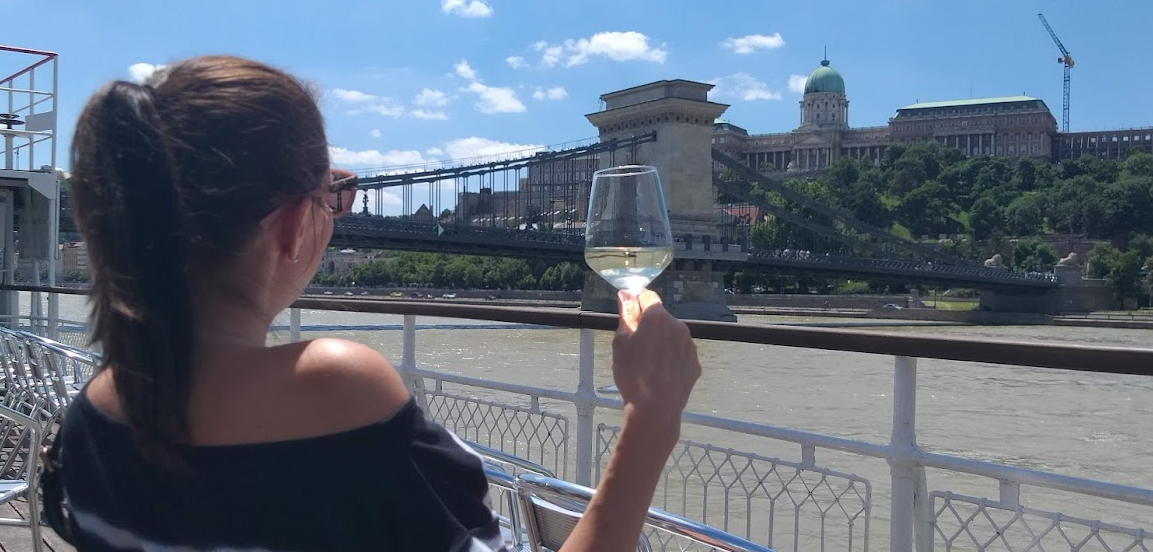
People are still coming to Budapest for the classic experiences—to walk the Chain Bridge or have a meal at the Danube—but there is a sophisticated new layer to the tourism scene. There is a massive surge in interest regarding Hungarian viticulture; experts suggest that visitors are increasingly coming specifically to taste the six iconic wines of Hungary, moving the city away from its “party capital” image and toward a “culinary destination” status.

What is Driving the Trend?

Several factors explain why Budapest is currently outperforming its 2019 self:

  1. The Connectivity Surge: Following the pandemic, Budapest Airport aggressively courted long-haul carriers. 2025 has seen an increase in direct flights from China, the Middle East, and North America. Budapest is no longer just a destination; it is becoming a transfer hub for travelers moving between Asia and Central Europe.
  2. Major Events: The completion of the MVM Dome and the National Athletics Centre has allowed Budapest to host massive international events that weren’t on the calendar in 2019. Each major concert or sporting event brings a surge of 50,000+ passengers in a single weekend.
  3. The “Schengen-Plus” Appeal: As security and stability become higher priorities for global travelers, Budapest is perceived as one of the safest and most stable capitals in Europe, drawing traffic away from other traditional Western European hubs.

Infrastructure: The New Terminal and Future Growth

The current boom has pushed Terminal 2A and 2B to their absolute limits. The rumors of expansion are no longer just whispers; they are official policy. To handle the projected 25 million annual passengers expected by 2030, the airport is moving forward with the reopening of Terminal 1 for low-cost carriers and the massive development of Terminal 3.

This new infrastructure will be a “smart terminal,” utilizing biometric boarding and high-speed rail links to the city center. This expansion is essential because, as the 2025 numbers show, the demand for Budapest is currently growing faster than the airport’s physical capacity.

Navigating the Influx: Airport Transfers

With the airport reaching record capacity, the arrival experience can be overwhelming. The taxi queues at the airport have grown alongside the passenger numbers, making pre-booked transportation more of a necessity than a luxury in 2025.

For those arriving at Liszt Ferenc International and looking for a seamless start to their trip, a private driver is often the most efficient choice. You can find detailed information on Budapest airport transfer prices and private bookings to avoid the crowds at the arrivals hall.

The Verdict: Budapest vs. The Region

Is Budapest fading in the shadow of Vienna? Quite the opposite. While Vienna remains the “corporate” gateway to the region, Budapest has positioned itself as the “lifestyle” gateway. The 14% growth rate seen in 2025 suggests that Budapest is actually capturing a larger share of the “leisure and luxury” market than it did in 2019.

The city is no longer just recovering; it is thriving in a new era of tourism. Whether it is the lure of a sunset cruise on the Danube, the world-class shopping on Andrássy Avenue, or the complex flavors of a glass of Tokaji, Budapest has proven that its appeal is pandemic-proof. As we look toward 2026, the numbers suggest that the “Pearl of the Danube” is only just beginning its newest and most successful chapter.

Spring Returns to Budapest: The Citadella on Gellért Hill Reopens on March 28, 2026

Budapest is preparing for one of the most exciting cultural moments of 2026. After years of restoration and redevelopment, the iconic Citadella on Gellért Hill will officially reopen to visitors on March 28, 2026. The reopening arrives just as spring awakens the Hungarian capital, bringing blossoming trees, longer evenings along the Danube, and a renewed wave of international travelers eager to rediscover one of the city’s most spectacular viewpoints.

For locals, the Citadella has always been a symbol of Budapest’s dramatic history and beauty. For visitors, it is the place where the city unfolds beneath your feet — the Parliament shining across the river, the bridges stretching across the Danube, and the rooftops of Pest glowing at sunset. With its reopening, the area has been transformed into something more than a lookout point. It is becoming a vibrant cultural park and a new gathering place for the city.

If you want to explore more of the Hungarian capital while planning your trip, take a look at this detailed guide to the top attractions in Budapest.

A New Green Oasis Above the Danube

One of the most noticeable changes visitors will experience is the creation of a 20,000 square meter green space surrounding the Citadella.

The redevelopment project has focused heavily on nature and sustainability. Walking paths wind through newly landscaped gardens filled with native Hungarian plants, trees, and flowers. Benches and terraces have been placed strategically along the slopes so visitors can sit and admire the sweeping views of Budapest.

Spring visitors will be among the first to experience the hill in full bloom. Cherry blossoms, fresh grass, and the soft colors of new foliage will contrast beautifully with the historic stone walls of the Citadella.

🌿 Why this matters for visitors

  • More shaded walking areas and scenic viewpoints
  • Relaxed picnic spots overlooking the Danube
  • A peaceful park atmosphere just minutes from the busy city center

For many travelers, this will transform Gellért Hill from a quick photo stop into a place where they might spend an entire afternoon.

The New Glass Bridge Experience

Another highlight of the redevelopment is the striking glass bridge that will connect sections of the Citadella complex.

This modern architectural feature provides visitors with an entirely new perspective. As you walk across the transparent structure, the steep slopes of Gellért Hill drop away beneath your feet while the panorama of Budapest spreads out in front of you.

It is expected to quickly become one of the city’s most photographed locations.

📸 What makes the bridge special

  • Unique vantage points for photographers
  • Dramatic views toward the Danube and Liberty Bridge
  • A modern contrast to the historic fortress walls

Budapest has always blended historic architecture with contemporary design, and the new bridge is a perfect example of how the city continues to evolve.

The Bastion of Freedom Exhibition

History remains at the heart of the Citadella experience. The reopening also introduces a new permanent exhibition titled “The Bastion of Freedom.”

The exhibition explores Hungary’s long and complex struggle for independence, with particular focus on the country’s revolutions and fight for sovereignty. Visitors will encounter interactive displays, historical artifacts, and multimedia installations that explain how the Citadella itself became a powerful political symbol.

🏛 Themes explored in the exhibition

  • Hungary’s 1848–49 revolution
  • The Citadella’s role during the Habsburg era
  • The symbolism of freedom and national identity

The exhibition ensures that the Citadella is not only a scenic destination but also an important educational experience for visitors who want to understand Hungary’s past.

Spring Tourism Returns to Budapest

The reopening is perfectly timed with the start of the spring travel season. Budapest traditionally welcomes millions of visitors between April and June, when outdoor cafés reopen and cultural events fill the city.

Travel experts expect the renovated Citadella to become one of the most visited attractions of the year.

Visitors planning their trip can browse the latest concerts, festivals, and seasonal happenings on the Budapest events calendar.

For many travelers arriving in the Hungarian capital, climbing Gellért Hill at sunset will once again become a must-do experience.

Discover Hungary Through Its Wine

No visit to Budapest is complete without discovering Hungary’s remarkable wine culture. After enjoying the panoramic views from the Citadella, many visitors continue their evening in the city’s wine bars and restaurants, tasting the flavors that have made Hungarian wines famous across Europe.

Hungary’s wine regions are incredibly diverse, producing everything from elegant white wines to powerful reds and world-famous dessert wines. If you want to truly experience Hungarian gastronomy, it is worth exploring the traditions and grape varieties that define the country’s wine heritage.

A great starting point is this guide to six wines you should taste when you come to Hungary, which introduces the most iconic wines every visitor should try to understand the country’s wine culture.

Wine tasting is a natural continuation of a day spent exploring Budapest. After walking through the new Citadella park or crossing the glass bridge at sunset, visitors often end their evening in a cozy wine bar or restaurant, pairing Hungarian wines with local dishes and enjoying the warm atmosphere of the city.

A New Chapter for a Historic Landmark

The reopening of the Citadella marks the beginning of a new chapter for one of Budapest’s most recognizable landmarks. With its expanded green spaces, contemporary architectural elements, and new historical exhibition, the site has been transformed into a destination that celebrates both the city’s past and its future.

As spring sunshine returns to Budapest and visitors begin climbing the paths of Gellért Hill once again, the newly reborn Citadella will stand ready to welcome them — offering breathtaking views, fascinating history, and a perfect introduction to the spirit of Hungary.

What is Aszú? A Guide to Hungary’s “Wine of Kings” and Where to Drink It

If you have ever walked through Budapest and noticed the word Aszú on a wine list, you might have wondered: Is that a grape? A region? A secret Hungarian code word?

Let’s clear it up.

Tokaji Aszú is Hungary’s most famous wine. It is sweet, complex, historic, and once famously called the “Wine of Kings, King of Wines.” And no, that’s not just clever marketing from a modern PR agency. That title goes all the way back to Louis XIV of France, who reportedly used those exact words after tasting it.

So what exactly is Aszú, and why does it deserve such drama?


The Magic Behind Tokaji Aszú

First things first: Aszú is not just any sweet wine. It comes from the Tokaj region in northeastern Hungary, one of the world’s oldest classified wine regions (dating back to 1737).

The secret ingredient?

Noble Rot (Yes, Really)

Aszú is made from grapes affected by Botrytis cinerea, better known as noble rot. Under the right conditions—morning mist, afternoon sun—the fungus shrivels the grapes, concentrating their sugars and flavors instead of ruining them.

The result?
Tiny, raisin-like berries bursting with:

  • Honey
  • Apricot
  • Orange peel
  • Caramel
  • Spice
  • And that unmistakable mineral backbone

If you want the full historical and technical background, you can read more on the official Tokaji Aszú page on Wikipedia.


What Does “Puttonyos” Mean?

When browsing a bottle of Tokaji Aszú, you will often see a number: 3, 4, 5, or 6 puttonyos.

This refers to the historical method of measuring sweetness. A puttony was a basket used to collect the noble-rotted grapes. The more baskets added to the base wine, the sweeter and richer the final result.

In modern production:

  • 3 puttonyos → sweet, but lighter
  • 5–6 puttonyos → intensely rich and luxurious

Today, the system has been simplified, but the terminology remains as a nod to tradition.


A Royal History

Tokaji Aszú was served in European royal courts for centuries. It was favored by:

  • Louis XIV of France
  • Russian tsars
  • Polish royalty
  • The Habsburg court

Hungary’s sweet golden treasure became a diplomatic gift and a symbol of prestige. When you sip a glass today, you’re tasting a piece of European history.

Not bad for a wine born from fungus, right?


How Should You Drink Aszú?

This is where things get interesting.

Many people assume sweet wine is only for dessert. While it pairs beautifully with:

  • Foie gras
  • Blue cheese
  • Fruit tarts
  • Crème brûlée

It can also work surprisingly well with savory Hungarian dishes, especially those featuring paprika, duck, or rich sauces. The acidity in Tokaji Aszú balances sweetness and prevents it from becoming heavy.

But here’s the thing: reading about it and tasting it are two completely different experiences.


Where to Drink Tokaji Aszú in Budapest

You can find Tokaji Aszú in many wine bars across the city. But if you really want to understand it—if you want to taste it the way it was meant to be tasted—pair it with Hungarian fine dining.

The best place to experience this wine paired with the food it was meant for is its namesake, Aszú Restaurant.

Located in the heart of Budapest, this elegant restaurant combines modern Hungarian cuisine with a serious passion for wine. Their curated selection of Tokaji wines makes it easy to explore different sweetness levels and styles without guessing your way through a wine list.

You can read more about the restaurant and reserve a table here.


Why This Matters for Food Lovers Visiting Budapest

Budapest is not just about thermal baths and grand architecture. It’s also about flavor. And Tokaji Aszú is one of the most iconic flavors Hungary has ever produced.

Understanding Aszú gives you insight into:

  • Hungarian wine culture
  • European royal history
  • Traditional winemaking methods
  • The balance between sweetness and acidity

And when you sit down in a restaurant that carries its name, you’re not just ordering wine. You’re participating in centuries of tradition.


Beyond One Restaurant: Vineyards and Michelin-Star Experiences

While Aszú Restaurant is a fantastic place to begin your journey, Tokaji Aszú is far from a one-address experience. If you have time, consider visiting the Tokaj wine region itself, where historic vineyards such as Disznókő, Oremus, and Royal Tokaji open their cellars for tastings among rolling hills and centuries-old underground tunnels carved into volcanic rock. Closer to home, Budapest also offers several outstanding fine-dining venues where Tokaji Aszú plays a starring role on expertly curated wine lists.

Michelin-starred restaurants like Costes, Borkonyha Winekitchen, Stand, and Babel regularly feature premium Tokaji selections, pairing them with contemporary Hungarian cuisine at the highest level. Whether you sip it in a vineyard surrounded by misty hills or in an elegant dining room in the heart of the capital, Tokaji Aszú remains one of Hungary’s most unforgettable tasting experiences.


Final Thoughts

If you visit Budapest and leave without tasting Tokaji Aszú, you’ve missed something essential.

It’s not just dessert wine. It’s history in a glass. It’s craftsmanship shaped by climate and time. It’s Hungary’s golden treasure.

And if you want to experience it properly, don’t just order a random glass somewhere.

Go where the name says it all.

6 Wines You Should Taste When You Come to Hungary

Hungary might not shout as loudly as France or Italy in the global wine conversation — but it absolutely should. This small Central European country has 22 officially recognized wine regions, a winemaking history stretching back over a thousand years, and a production volume that typically ranges between 2.5–3.5 million hectoliters per year, depending on the harvest.

From volcanic hillsides to sun-soaked plains, from bone-dry whites to legendary sweet nectar once served to kings, Hungary’s wine scene is wonderfully diverse.

If you’re visiting Hungary and want to drink like you actually mean it — not just grab a random house white — here are six wines you absolutely must taste, along with the stories behind them and where to try them.


1. Tokaji Aszú – The “Wine of Kings”

Let’s start with royalty.

Tokaji Aszú is Hungary’s most famous wine and arguably its most historic export. Produced in the Tokaj wine region in northeastern Hungary, it is made from grapes affected by noble rot (Botrytis cinerea), which concentrates sugars and flavors into intensely sweet, complex wine.

Expect flavors of:

  • Honey
  • Apricot
  • Orange peel
  • Caramel
  • Spice
  • Bright balancing acidity

This is the wine that Louis XIV reportedly called “The Wine of Kings, King of Wines.”

You can read more about its fascinating background on Wikipedia:
https://en.wikipedia.org/wiki/Tokaji_Asz%C3%BA

Where to Taste Tokaji Aszú

While visiting the Tokaj region itself is unforgettable — with its volcanic soil, rolling vineyards, and centuries-old underground cellars — you don’t need to leave Budapest to experience it properly.

One of the best places to taste Tokaji Aszú paired with modern Hungarian cuisine is Aszú Restaurant in the heart of the city. Their carefully curated Tokaj selection allows you to explore different sweetness levels and styles with expert guidance.

👉 Learn more and reserve a table here:
https://www.hungarybudapestguide.com/restaurants/gourmet-restaurants/aszu-restaurant/

If you taste only one sweet wine in your life, make it this one.


2. Egri Bikavér – Bull’s Blood with a Legend

Now we head west to the Eger wine region, home of Hungary’s most famous red blend: Egri Bikavér, or “Bull’s Blood.”

The name comes from a 16th-century legend during the Ottoman siege of Eger. Hungarian soldiers supposedly drank red wine before battle, and the Turks believed they were drinking bull’s blood to gain supernatural strength.

Dramatic? Yes. Effective branding? Absolutely.

Egri Bikavér is a blend, traditionally including grapes like:

  • Kékfrankos
  • Kadarka
  • Cabernet Sauvignon
  • Merlot

Modern high-quality versions are balanced, spicy, and layered — with cherry, plum, paprika spice, and earthy notes.

Where to Taste It

In Budapest, many wine bars carry premium Egri Bikavér selections. If you want something more structured and refined, Michelin-recommended restaurants often feature elevated versions of the blend.

But if you’re visiting Eger itself, tasting it in a traditional cellar in the Szépasszony Valley is a must.


3. Furmint – The Dry Face of Tokaj

Most people associate Tokaj with sweet wine, but Furmint (the main grape behind Tokaji Aszú) also produces stunning dry wines.

Dry Furmint is:

  • Crisp
  • Mineral-driven
  • High in acidity
  • Often compared to Riesling or Chablis

Thanks to Tokaj’s volcanic soil, it often carries a flinty, smoky edge that makes it incredibly food-friendly.

Where to Taste It

Again, Tokaj is the obvious destination — but in Budapest, restaurants specializing in Hungarian wine will almost always offer at least one dry Furmint by the glass.

At Aszú Restaurant, you can often compare dry and sweet Tokaj styles side-by-side — a fantastic way to understand the grape’s versatility.


4. Juhfark – The “Wedding Night Wine”

Now for something truly Hungarian.

Juhfark, which literally means “sheep’s tail” (named after the elongated grape cluster shape), is native to the tiny Somló wine region, one of Hungary’s smallest and most unique volcanic areas.

Historically, Juhfark was believed to increase the chances of conceiving a male heir. Habsburg rulers reportedly drank it on their wedding nights.

Superstition aside, Juhfark produces:

  • High-acid
  • Structured
  • Mineral-heavy wines
  • With smoky, salty undertones

It’s not flashy. It’s serious. It’s distinctive.

Where to Taste It

Somló is worth visiting if you love niche wine experiences. But in Budapest, specialty wine bars focusing on Hungarian indigenous grapes are your best bet.

Ask for it specifically — this is not a mainstream export wine.


5. Kékfrankos – Hungary’s Red Workhorse

Known internationally as Blaufränkisch, Kékfrankos is arguably Hungary’s most important red grape.

It thrives especially in:

  • Sopron
  • Villány
  • Eger

Kékfrankos wines are typically:

  • Medium-bodied
  • Bright in acidity
  • Red-fruited (cherry, raspberry)
  • Spicy and elegant

In cooler regions, it can resemble Pinot Noir in structure. In warmer regions like Villány, it becomes darker and more powerful.

Where to Taste It

Villány is famous for bold reds, but you’ll find excellent Kékfrankos in Budapest’s wine-focused restaurants and bistros.

If you enjoy balanced European reds that pair well with food, this is your grape.


6. Kadarka – Hungary’s Comeback Kid

Once nearly extinct, Kadarka has made a strong comeback in recent decades.

Historically used in Bikavér blends, it is now increasingly bottled as a single-varietal wine.

Kadarka is:

  • Light-bodied
  • Spicy
  • Floral
  • Bright and fresh

Think elegance over power.

Where to Taste It

Eger and Szekszárd are strongholds for quality Kadarka. In Budapest, look for modern producers who treat it seriously — it’s no longer just a blending grape.


A Quick Overview of Hungary’s Wine Regions

Hungary has 22 wine regions, grouped into larger wine districts, including:

  • Tokaj
  • Eger
  • Villány
  • Sopron
  • Balaton
  • Somló
  • Szekszárd

Each region has distinct soil types — from volcanic rock in Tokaj and Somló to limestone and loess in southern Hungary.

Hungarian winemaking dates back to Roman times, and today the country produces millions of hectoliters annually, with a growing focus on quality over mass production.

The modern Hungarian wine scene is a mix of:

  • Ancient indigenous grapes
  • International varieties
  • Boutique family wineries
  • Michelin-starred restaurant pairings

Final Thoughts

If you come to Hungary and only drink generic “house white,” you are missing the entire point.

Taste:

  • The royal sweetness of Tokaji Aszú
  • The legendary strength of Egri Bikavér
  • The volcanic edge of Juhfark
  • The elegance of Kékfrankos
  • The revival story of Kadarka
  • The dry precision of Furmint

Hungary may be small on the map — but in the wine world, it’s anything but small in character.

Cheers — or as we say here:

Egészségedre!

5 Twitter (X) Accounts You Should Follow for the Ultimate Budapest Experience

Whether you are a local, an expat, or a traveler planning your next big trip, staying updated on the pulse of Budapest is essential. While Instagram is great for photos, Twitter (X) is the place for real-time traffic alerts, breaking news, and the “secret” tips that make life in the city smoother.

Here are the five essential accounts to follow in 2026 to stay ahead of the curve.


1. @BKKBudapest (Official Transport Updates)

If you live in or visit Budapest, the BKK (Budapest Transport Centre) account is non-negotiable. They provide the fastest updates on tram diversions, metro delays, and road closures.

  • Why follow: Get real-time alerts so you don’t end up waiting 20 minutes for a bus that’s been rerouted due to a marathon or a film shoot.
  • Pro Tip: They often tweet about the vintage “Nostalgia” heritage trams and buses running on weekends!

2. @Budapest_Times (News & Culture in English)

For those who want to know what’s happening in Hungarian politics, economy, and culture without needing a translation app, The Budapest Times is the gold standard.

  • Why follow: They provide curated news specifically for the English-speaking community, covering everything from new museum openings to major legislative changes.

3. @WeLoveBudapest (Lifestyle & Discovery)

This is the ultimate account for foodies and explorers. We Love Budapest shares the latest on the best new specialty coffee shops, hidden courtyards, and the “coolest” ruin bars that haven’t been overrun by tourists yet.

  • Why follow: They specialize in “Top 10” lists and seasonal guides (like the best ice cream spots in summer or cozy fireplace bars in winter).

4. @JuditPolgar (The Cultural Ambassador)

While she is the greatest female chess player of all time, Judit Polgár is also a massive ambassador for the city. Her account often highlights major cultural events, educational festivals, and the “intellectual” side of Budapest life.

  • Why follow: To keep up with the Global Chess Festival and other high-profile international events hosted in the capital.

5. @HungarianDaily (Daily Tips & Language)

For those trying to navigate the “World’s Most Difficult Language” or just looking for small daily insights into Hungarian life, this account offers bite-sized tips.

  • Why follow: They often share “word of the day” posts, etiquette tips (like when to say Egészségedre!), and small cultural nuances that help you blend in like a local.

What’s On in the City?

Twitter is great for daily news, but if you are looking for a comprehensive calendar of festivals, concerts, and major events, you need a deeper dive.

Don’t miss a single beat of the city’s heart—from the Sziget Festival lineup to the Christmas Market dates at the Basilica. For a full list of upcoming events, visit our What’s going on in Budapest page.

The Great Sas Utca Showdown: Aszú vs. Rézkakas – Which One Should You Pick?

If you’ve spent more than twelve minutes in the center of Budapest, you’ve likely found yourself wandering down Sas utca. It’s that charming, pedestrianized street leading away from the grand St. Stephen’s Basilica. It is also, quite literally, the “Gourmet Gauntlet” of Budapest.

On one side of the street, you have the sleek, wine-focused Aszú Restaurant. On the other side, practically staring it in the face, you have the legendary Rézkakas Bistro.

For a hungry tourist, this is the ultimate “first-world problem.” It’s like being forced to choose between a vintage Ferrari and a brand-new Lamborghini—both are going to get you where you’re going in style, and both are going to make your wallet significantly lighter.

So, how do you choose? Having “sacrificed” my waistline to test both, here is the ultimate breakdown of the Sas utca rivalry.


The Vibe: Tradition vs. Modern Elegance

Let’s start with the atmosphere. Both restaurants are “high-class,” meaning this is the place to wear that nice shirt you packed, not your “I ❤️ BUDA-F**KING-PEST” tank top.

Rézkakas feels like a warm, wood-paneled hug. It’s a bistro in the grandest sense of the word. It’s slightly more “Old World.” When you walk in, you feel like a 19th-century Hungarian count who is about to discuss politics over a heavy plate of venison. It’s intimate, prestigious, and deeply rooted in tradition.

Aszú, on the other hand, is the cooler, slightly more sophisticated younger sibling. The interior is stunning—featuring an incredible ceiling that looks like a swirl of wine or honey—and the lighting is designed to make everyone look about 15% more attractive. It’s “Gourmet Modern.” It’s the kind of place where you take a date if you’re planning to propose, or where you go to celebrate a deal that actually went through.

The Music Factor

Now, here is a secret: you’re going to hear the soulful strings of a violin at both. Both restaurants feature live Gypsy music (traditional Hungarian folk music).

  • At Rézkakas, the musicians are legendary, often featuring a cimbalom (that big hammer-dulcimer thing that sounds like a piano on caffeine).
  • At Aszú, the music is equally professional but often feels a bit more like a background soundtrack to your wine swirling, whereas at Rézkakas, the music is often the heart of the room.

The Battle of the Terrace: Why Season Matters

If you are visiting Budapest between April and October, the game changes completely.

Aszú has the undisputed “Terrace Advantage.” While both restaurants have outdoor seating, Aszú’s terrace is much larger and more expansive. Sitting outside on Sas utca at Aszú on a warm May evening is peak Budapest. You get to people-watch the tourists walking toward the Basilica while you enjoy a chilled glass of dry Furmint.

Rézkakas has outdoor seating too, but it’s a bit more “cozy” (read: smaller). If you suffer from claustrophobia or just like a lot of elbow room for your Goulash, Aszú’s outdoor setup wins the round.


The Food: Reimagined vs. Refined

You aren’t going to get a “bad” meal at either place. You are more likely to find a unicorn in the Danube than a bad Paprikash on Sas utca. However, the approach is different.

At Rézkakas, the food is “Refined Traditional.” Think of the best meal a Hungarian grandmother ever made, then give her a Michelin-star kitchen and a staff of twenty. The portions are generous, the sauces are rich, and the flavors are bold. Their Crispy Duck Leg is the stuff of local legend.

At Aszú, the keyword is “Reimagined.” They take the same Hungarian DNA but play with textures and presentations. You might get a Goulash that is served in a way you’ve never seen before, or a dessert that looks more like a piece of modern art than a cake. It’s lighter, more experimental, and very focused on how the food interacts with—you guessed it—wine.


Let’s Talk Wine: The “Aszú” Factor

It’s in the name. Aszú is named after the world-famous sweet dessert wine from the Tokaj region. Consequently, their wine cellar is a temple to the grape. If you are a wine aficionado, Aszú is your heaven. Their sommelier doesn’t just pour wine; they tell stories. They have a massive selection of dry whites (Furmint, Hárslevelű) and, of course, the liquid gold that is the Aszú dessert wine.

Rézkakas has an excellent wine list as well, featuring the heavy-hitter reds from Villány and Eger. But if we are talking about a specific “wine experience” where the bottle is as important as the steak, Aszú takes the trophy by a hair.


The Price: Checking Your Bank Balance

Let’s be real: neither of these is a “budget” choice. If you want a $5 meal, there’s a gyros shop around the corner that will serve you something questionable in a pita.

On Sas utca, you are paying for quality, service, and the “Prime Real Estate” tax.

  • Aszú: Expect main courses to sit between 8,000 and 14,000 HUF ($22 – $40 USD).
  • Rézkakas: Prices are very similar, perhaps leaning slightly more toward the upper end for certain game meats and specialty steaks.

For a full three-course meal with wine and coffee for two people, you should budget around 45,000 – 60,000 HUF ($130 – $170 USD) at either establishment. It’s an investment in your happiness.


What do the Reviews Say?

If you spend an hour on Tripadvisor, you’ll see a pattern:

  • Aszú Reviews: “The best wine pairing of my life,” “Stunning decor,” and “The outdoor terrace is perfect for a summer night.” The occasional complaint? “It felt a bit too fancy for my kids.” (Pro tip: Aszú is definitely a ‘date night’ or ‘grown-up dinner’ spot).
  • Rézkakas Reviews: “The music was incredible,” “Best Goulash in the city,” and “The service made me feel like royalty.” The occasional complaint? “It’s very popular and can feel a bit crowded during peak hours.”

The “Why Not Both?” Solution

If you are in Budapest for more than two nights, here is my personal advice: Try both.

They are located so close to each other that you can literally stand in the middle of the street and see into both windows. They represent two different sides of the Hungarian soul—one that looks back at a glorious, opulent past (Rézkakas) and one that looks forward to a sophisticated, gourmet future (Aszú).

Eat at Aszú Restaurant on your first night to toast your arrival with a glass of Tokaj. Then, on your final night, head to Rézkakas for a grand, musical finale to your Hungarian adventure.

Final Tip: Both of these places are extremely popular. If you show up at 7:00 PM on a Friday without a reservation, the only thing you’ll be eating is your disappointment. Luckily, we can help you with that! Whether you want the wine-centric elegance of Aszú or the traditional soul of Rézkakas, make sure to book your table in advance through our links—it’s free and ensures your spot in the heart of Budapest.

So, are you Team Aszú or Team Rézkakas? Honestly, in this battle, the only real winner is your stomach.