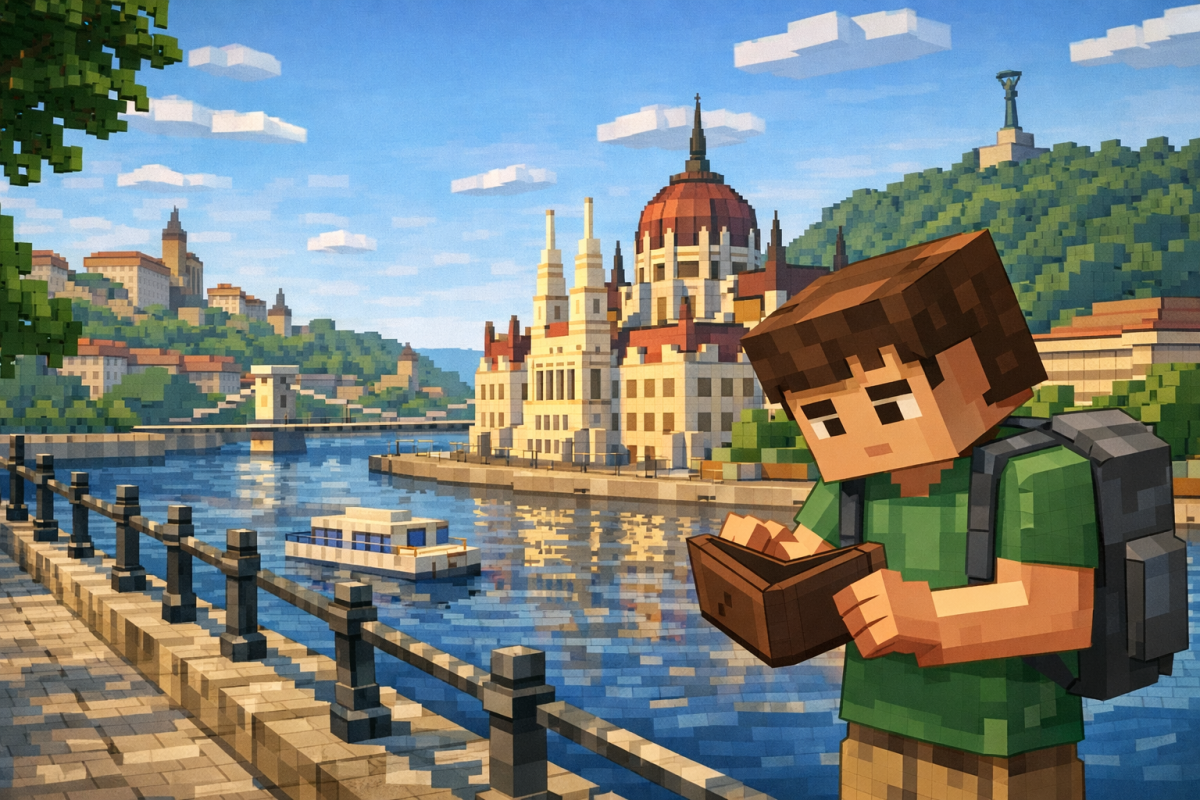
Let’s be honest: nobody likes the feeling of being a “walking wallet.” You know that sensation when you enter a new city and it feels like every breath you take carries a €5 surcharge? Fortunately, Budapest is not that city.
In fact, Budapest is one of those rare European capitals that is remarkably kind to your bank account. It’s a place where many of the best experiences—the ones you’ll actually remember ten years from now—cost absolutely nothing. Walking, world-class views, fresh water, and a palpable historical atmosphere do most of the heavy lifting here.
This guide isn’t just for people on a shoestring budget; it’s for the smart traveler. Because whether you have €10 or €10,000 in your pocket, paying for something that is free (and better) just feels wrong. Here is how to conquer Budapest without the “tourist tax.”
1. Completely Free Things to Do in Budapest
If you want to experience the soul of the city, you don’t need a ticket. You just need a pair of shoes and a bit of curiosity.
Drink the Tap Water (Seriously)
Let’s start with the most basic human need: hydration. In many tourist hubs, you’ll see travelers lugging around 2-liter plastic bottles of “artisan spring water” they bought for €3 at a kiosk. Don’t be that person. Budapest’s tap water is safe, clean, and tastes great. It literally flows from the walls of your hotel or apartment for free. Paying for bottled water in Budapest is like paying someone to let you breathe the air. If you see a public fountain with a sign that doesn’t say “Nem ivóvíz” (not drinking water), go for it. Save that money for a high-quality local beer later.
Walk Along the Danube
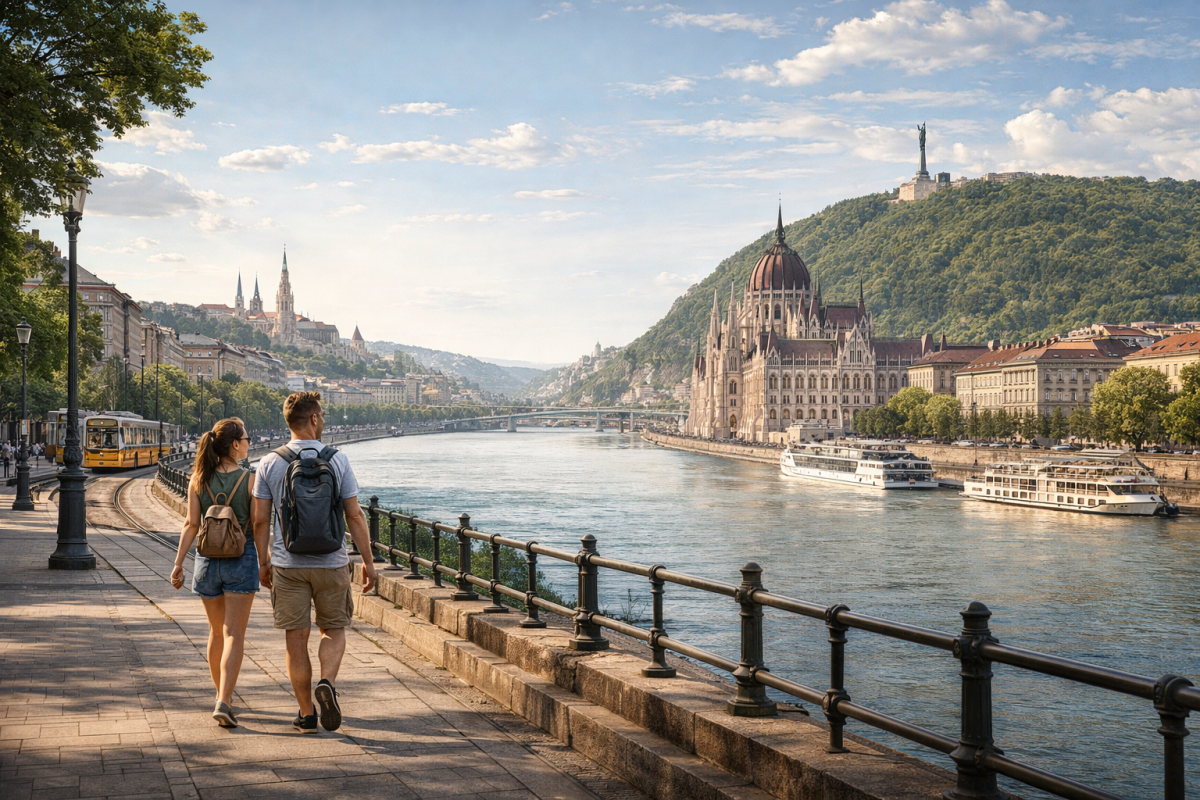
If Budapest were a movie, the Danube would be the lead actor. Walking along the riverbank is arguably the single best free activity in the city. The path is flat, scenic, and offers postcard-level views at every turn.
As you stroll, you’ll see the Parliament building (which looks like a giant Gothic wedding cake), the iconic Chain Bridge, and the Buda Castle perched across the water. It’s the kind of walk where your phone battery will likely die from taking too many photos long before your legs get tired.
See Budapest Illuminated at Night
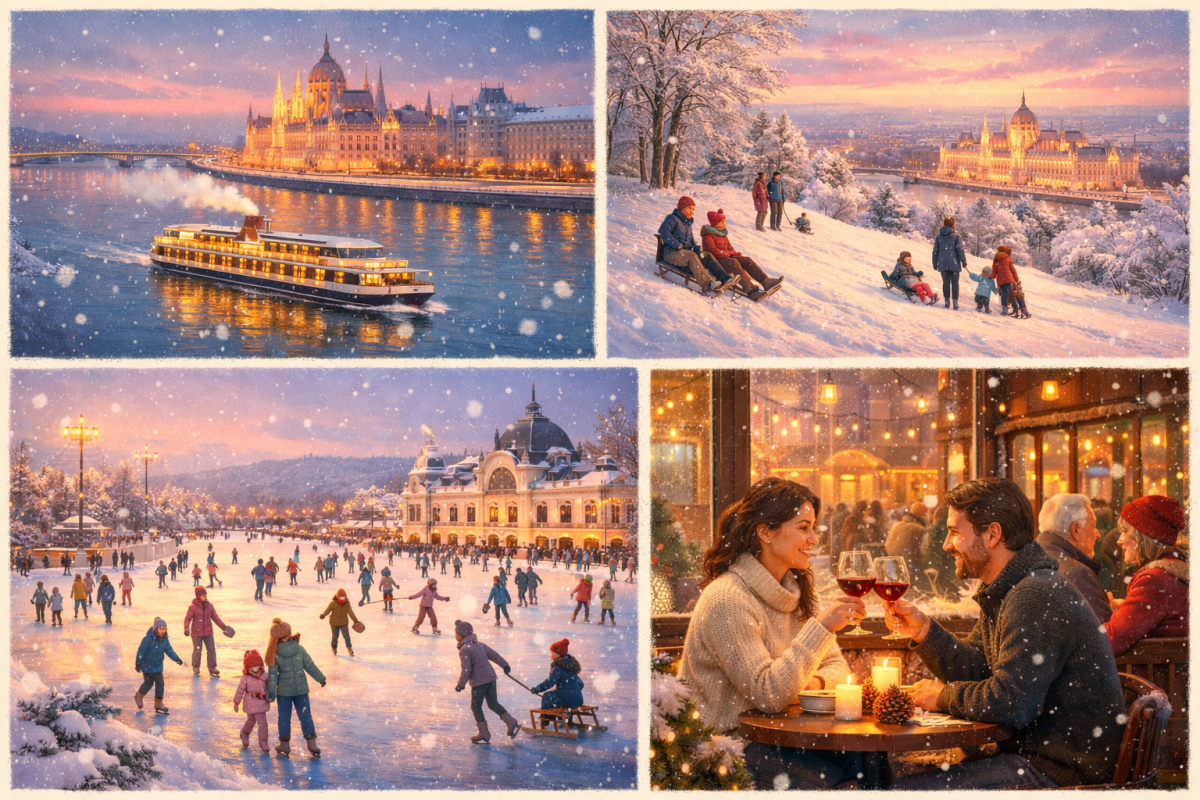
Budapest by day is beautiful, but Budapest at night is a free open-air light show. Around sunset, the city flips a switch, and the Parliament, the bridges, and the Castle are bathed in golden light.
You will see dozens of flyers for “Illuminated Night Tours” or “Glow Walks.” While those guides are lovely people, they are showing you things that are perfectly visible for €0 just by using your eyes. Grab a coat, head to the river, and enjoy the glitter.
Walk Up Gellért Hill
If you want the “I’m the king of the world” view, you have to work for it. Walking up Gellért Hill is free, slightly sweaty, and completely worth it.
Halfway up, as you’re huffing and puffing, you might briefly question your life choices or wonder why you didn’t just stay in a cafe. But once you reach the Citadel and see the entire city splayed out below you—the Danube snaking between the two sides of the city—that mild regret vanishes. Pro tip: Go for sunset. It’s the best show in town, and there’s no cover charge.
2. Museums: How Budapest Compares to Other Cities
When it comes to culture, every city has its own “vibe” regarding entrance fees.
Take Madrid, for example. Even world-famous institutions like the Prado have very specific, limited free hours, requiring you to time your visit like a military operation to save a few Euros.
London is the gold standard for budget culture lovers. Many of the biggest museums in London, including the British Museum, are free every day, allowing you to see world-class artifacts without ever opening your wallet.
So, where does Budapest fit in?
The honest reality check: Budapest museums are generally not free every day. However, they are far from “expensive” by Western standards, and there are real opportunities to visit for free if you are savvy.
How to Get Into Budapest Museums for Free
- National Holidays: On Hungarian national holidays (March 15, August 20, and October 23), most major museums—including the Hungarian National Museum and the Museum of Fine Arts—offer free entry to everyone.
- EU Citizens: If you are an EU citizen under the age of 26 (or a parent accompanying a child under 18), many museums offer free entry on the third or fourth Saturday/Sunday of the month. Always check the specific museum’s website for the current “Free Sunday” schedule.
- Commemorative Days: Occasionally, museums open their doors for free on days like the “Night of the Museums” in June (though this often requires a small-fee wristband for all-access).
3. The Magic of Christmas Markets (The Free Sensory Experience)
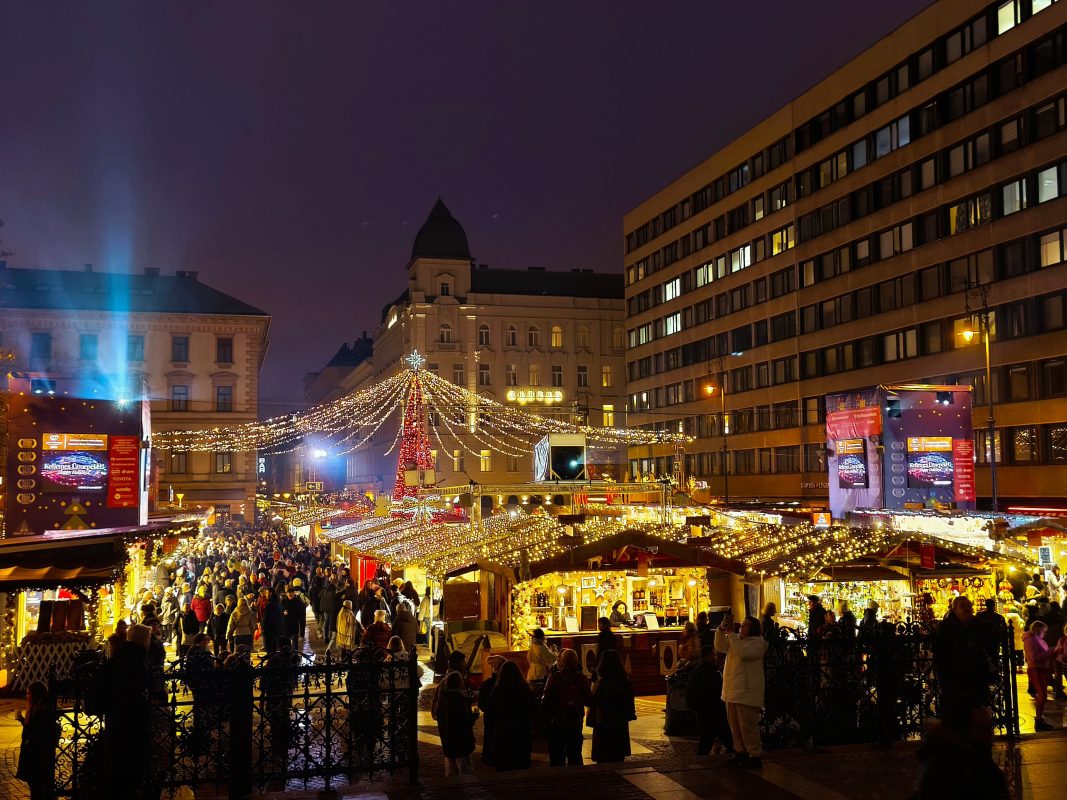
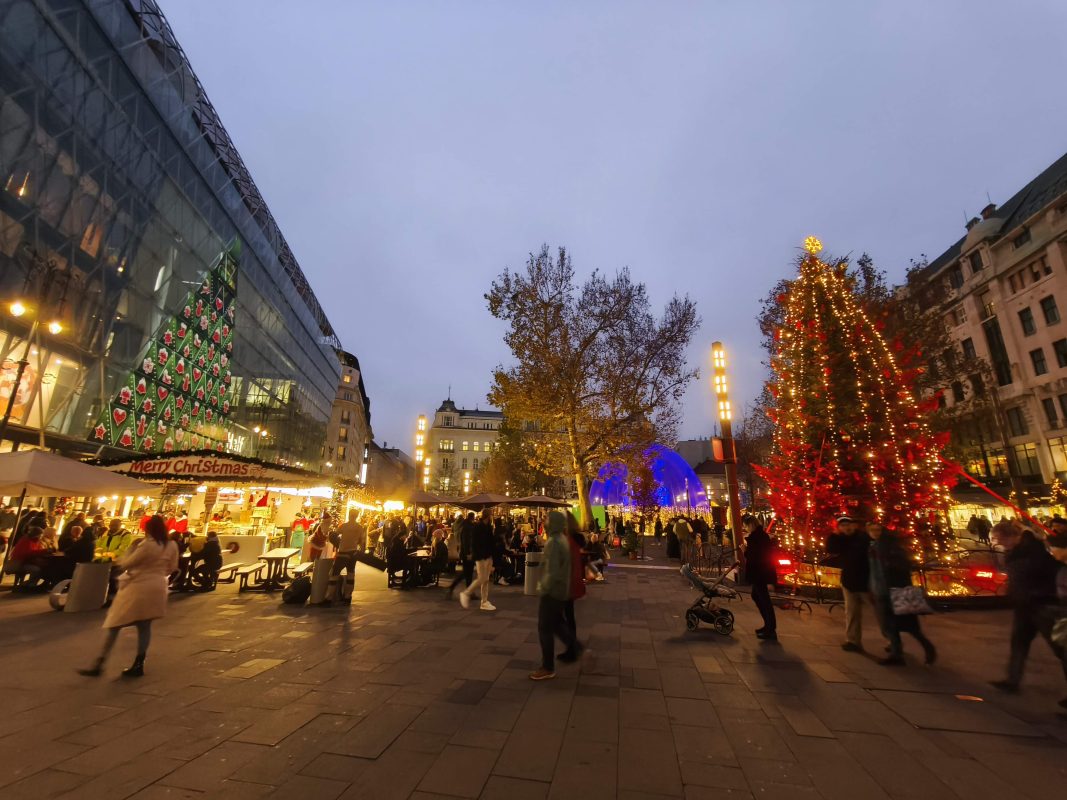
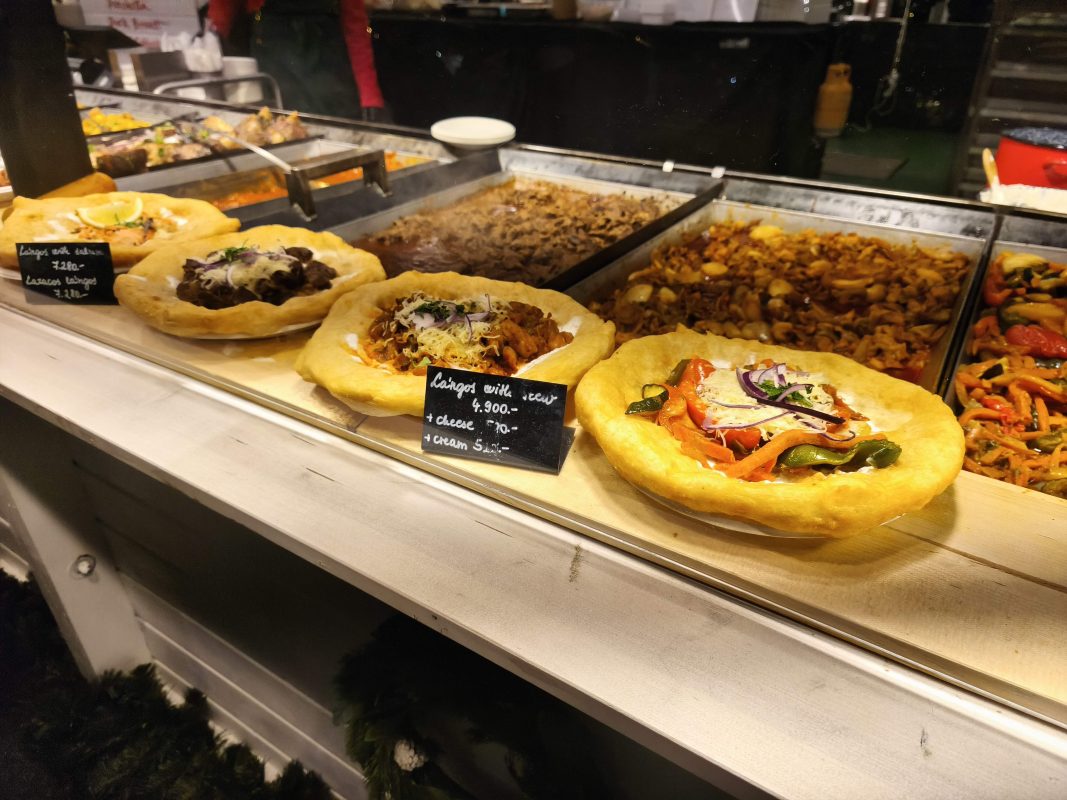
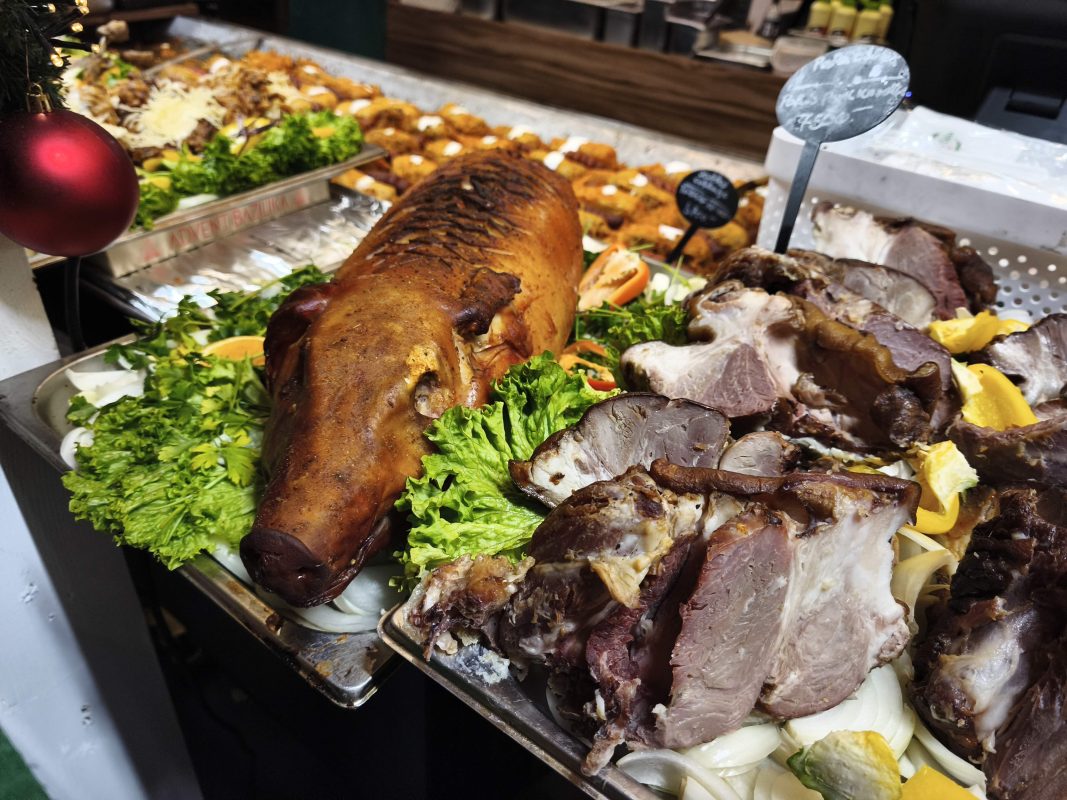
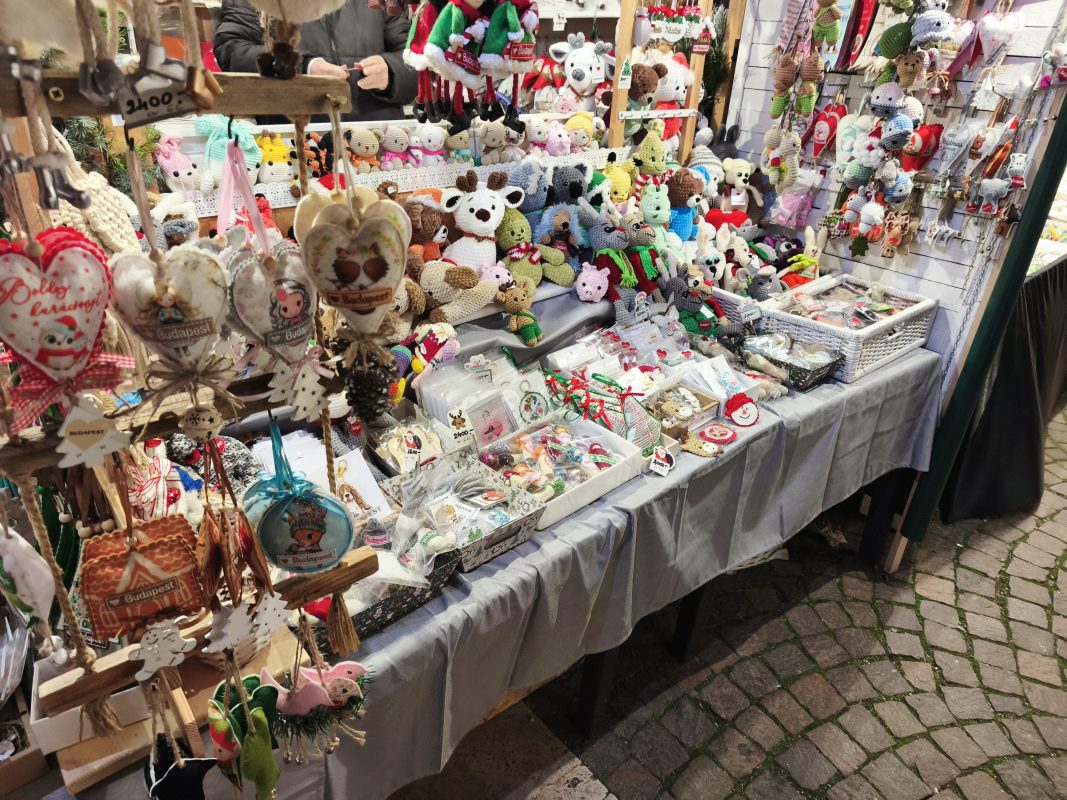
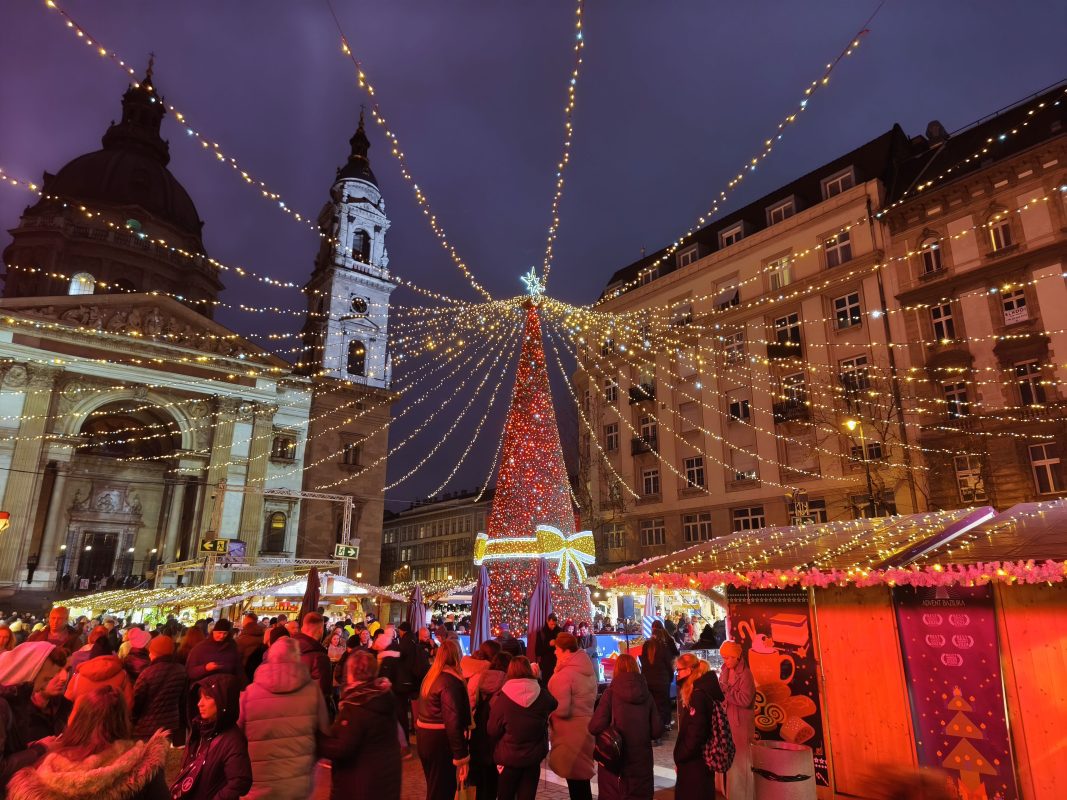
If you happen to visit during the winter months, you’re in for a treat that costs exactly zero forints to experience. The Budapest Christmas markets at Vörösmarty Square and by the St. Stephen’s Basilica are legendary. You can spend hours walking through the stalls, soaking in the scent of roasted chestnuts and cinnamon, and admiring the elaborate light projections on the Basilica’s facade.
The atmosphere is absolutely free to consume, and it’s arguably some of the best festive spirit in Europe. It remains completely free… right up until you decide that you must have that handmade wooden ornament or a mug of steaming mulled wine! But even if you don’t spend a dime, the holiday illumination alone is worth the walk.
4. Not Free, but Smarter: Food & Drink Strategies
You have to eat, but you don’t have to pay “tourist prices” for the privilege.
Skip Organized Wine & Pálinka Tastings
You’ll see many ads for “Authentic Hungarian Tasting Experiences.” These often involve paying €30-€40 for three small pours of wine, a scripted story you could read on Wikipedia, and a rushed atmosphere.
The Smarter Option: Go to a local supermarket or a wine shop like Bortársaság. Buy a couple of bottles of high-quality Tokaji or Villányi wine for €10 each. Head back to your accommodation or find a nice spot on Margaret Island. You’ll drink more, pay significantly less, and you can enjoy it at your own pace without a guide staring at you waiting for his tip.
Cheese, Bread, and the Market Strategy
Instead of eating every meal in a restaurant with a laminated menu in six languages, head to the Great Market Hall or a local Csemege (delicatessen).
Buy some local smoked cheeses, fresh crusty bread, and Hungarian sausages (Kolbász). This becomes a self-guided, gourmet tasting experience for about half the price of a mediocre tourist lunch. Plus, people-watching in the market is altijd free.
5. The Danube Cruise… Without the Fancy Stuff
The Danube cruise is the “must-do” activity in Budapest. Many companies will try to sell you a “Premium Buffet Dinner & Operetta Show Cruise” for €60+.
Unless you are celebrating a 50th wedding anniversary and really love lukewarm buffet goulash, skip the expensive extras. You can get the exact same river views on a simple sightseeing cruise for a fraction of the price. Or better yet, use the public transport ferry (if available during your visit) for the price of a single ticket. Eat and drink on land later—the food will be better.
6. Walk Instead of Paying for Transport
Budapest is an incredibly walkable city. Most major attractions are clustered in a way that makes public transport optional, not mandatory.
As we’ve discussed in our guide for normal human legs, walking reveals the “hidden” Budapest—the crumbling courtyards, the street art, and the tiny bakeries—that you miss when you’re underground in a metro carriage or zipping by in a taxi.
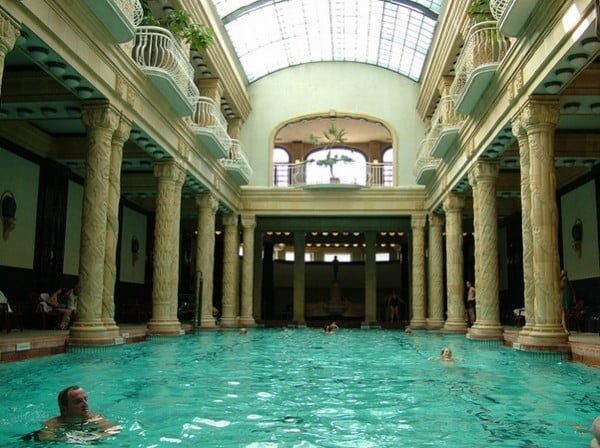
Save the transport money for a soak in the thermal baths (which is one of the few things definitely worth paying for).
7. Extra Free & Cheap Tips
- Margaret Island: This is the city’s green lung. It’s free to enter, features a “musical fountain” that puts on a show every hour, and is the perfect place for a cheap picnic.
- Ruin Bars: Entering a Ruin Bar like Szimpla Kert costs nothing. You can walk through, admire the crazy decor (it’s basically a free art installation made of junk), and leave without buying a drink if you’re just there for the vibes.
- Religious Architecture: While St. Stephen’s Basilica now has an entry fee for tourists, many smaller, equally beautiful churches are free to enter for a quiet moment of reflection.
Conclusion: Free Doesn’t Mean Boring
Budapest is a city that rewards curiosity, not just big budgets. Some of the most profound moments you’ll have—watching the sun dip behind the Matthias Church or feeling the mist of the Danube on your face—don’t come with a barcode or a ticket stub.
Money is better spent on meaningful memories, a great meal, or a relaxing spa day than on “convenience” items like bottled water or overpriced guided “illuminated” walks. Budapest is an open book; you just have to be willing to walk the pages yourself.